Harare, Zimbabwe’s tourism and hospitality sector is increasingly turning to indigenous cuisine, cultural identity, and gastronomy tourism as strategic pillars for national branding, heritage preservation, and economic growth, with Rainbow Tourism Group intensifying efforts to reposition traditional Zimbabwean food as a central component of the country’s tourism experience during Africa Month celebrations.
Beyond the globally recognised spectacle of the Victoria Falls and Zimbabwe’s rich wildlife heritage, the country’s culinary traditions are increasingly emerging as powerful cultural assets capable of strengthening destination identity, community empowerment, and cultural diplomacy.
In a detailed statement marking Africa Month, RTG highlighted how Zimbabwean cuisine carries historical memory, social values, and indigenous knowledge systems passed down through generations. Traditional dishes such as muboora une dovi, mupunga une dovi, mazondo, oxtail stew, mutakura, mufushwa, and zviyo based meals were described not merely as food, but as expressions of resilience, communal living, sustainability, and cultural continuity.
Analytically, the growing focus on gastronomy tourism reflects a broader shift within global tourism where travellers increasingly seek authentic cultural experiences rather than conventional sightseeing alone. Culinary tourism has become one of the fastest growing segments within the international tourism industry, with destinations now using indigenous food systems, traditional preparation methods, and local ingredients to differentiate themselves in competitive global tourism markets.
Zimbabwe’s traditional cuisine holds unique strategic value within this emerging landscape. Many indigenous grains and food preparation methods long embedded within Zimbabwean communities are now globally recognised for their nutritional, environmental, and climate resilience benefits. Crops such as finger millet, pearl millet, and sorghum, once viewed primarily as subsistence foods, are increasingly being repositioned as climate smart superfoods aligned with modern sustainability and wellness trends.
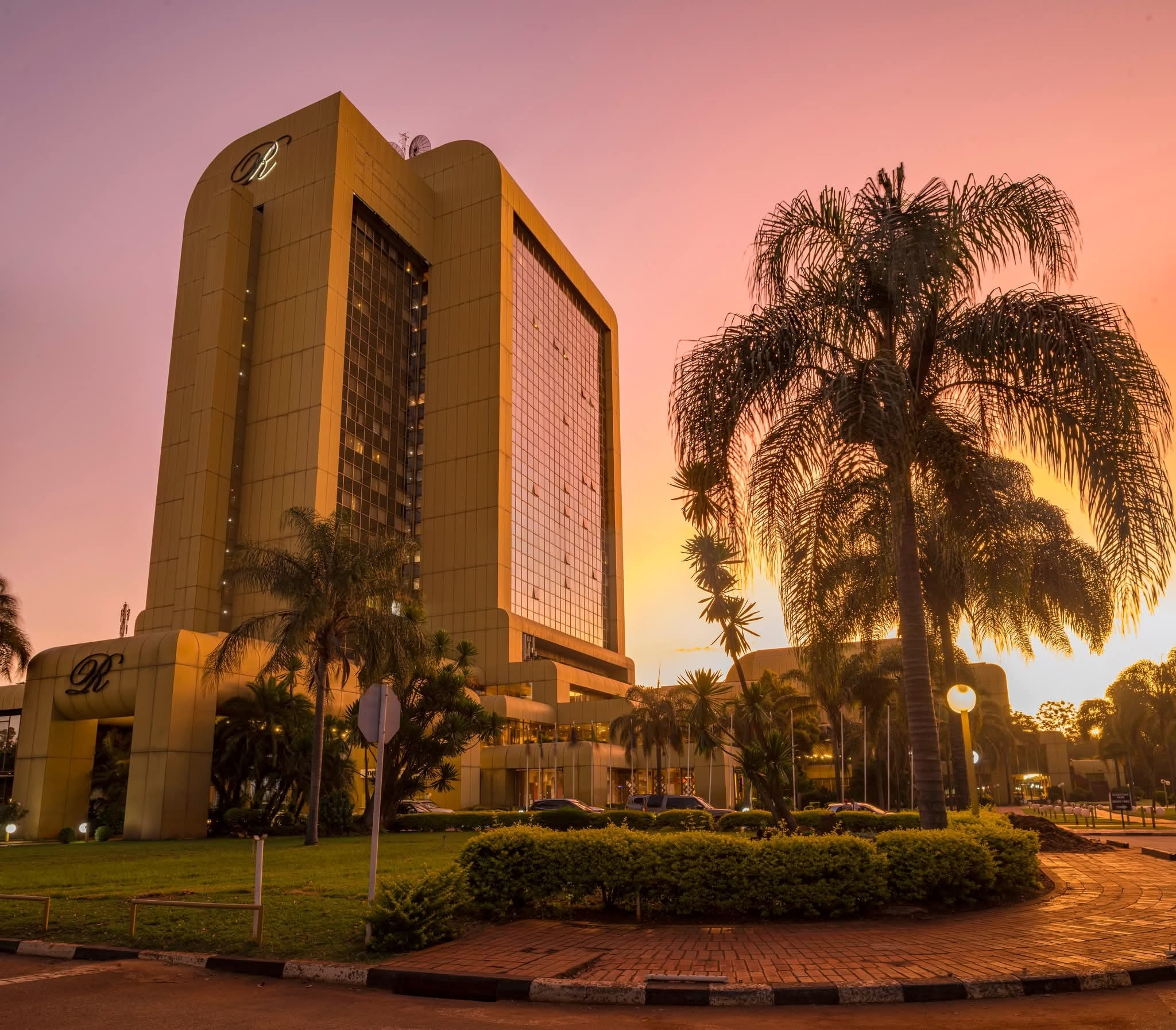
The weekly traditional cuisine experience hosted every Wednesday at Harvest Garden Restaurant at Rainbow Towers Hotel and Conference Centre illustrates how hospitality institutions are beginning to commercialise heritage while preserving authenticity. The initiative transforms traditional meals into curated cultural experiences that appeal to both domestic and international visitors seeking immersion into Zimbabwean identity.
For local guests, the experience evokes nostalgia and cultural reconnection, while for international tourists, it serves as a gateway into understanding Zimbabwean social traditions, communal values, and indigenous food systems. The atmosphere created through traditional cuisine, music, hospitality, and storytelling effectively turns dining into a cultural encounter rather than a transactional service.
RTG’s nationwide Africa Day culinary celebration scheduled across its hotel portfolio further reflects the hospitality sector’s growing recognition that culture and tourism are inseparable economic assets. Participating establishments including Bulawayo Rainbow Hotel, Victoria Falls Rainbow Hotel, A Zambezi River Lodge, Montclair Resort and Conference, and other RTG properties are expected to showcase traditional Zimbabwean meals alongside African music, cultural attire, and indigenous beverages such as maheu and chibuku.
From a developmental perspective, gastronomy tourism also carries important economic implications for rural communities, small scale farmers, traditional food producers, and cultural entrepreneurs. The increased commercial demand for indigenous grains, traditional livestock products, organic produce, and heritage ingredients has the potential to stimulate local agricultural value chains while preserving indigenous farming systems.
The integration of traditional cuisine into mainstream hospitality additionally supports broader national objectives tied to cultural preservation and heritage based economic development under Vision 2030. Zimbabwe’s tourism sector increasingly seeks to diversify beyond wildlife and adventure tourism by incorporating cultural tourism, heritage tourism, sports tourism, and gastronomy tourism into a broader destination strategy.
Importantly, the revival of traditional cuisine also carries ideological and patriotic significance within post colonial African identity discourse. Across the continent, indigenous food systems are increasingly being reclaimed as symbols of cultural pride, sovereignty, and historical continuity in response to decades of cultural homogenisation and imported consumption patterns.
Zimbabwe’s traditional culinary practices therefore represent more than hospitality offerings alone, they form part of a broader cultural renaissance aimed at preserving African identity, celebrating indigenous knowledge systems, and strengthening national heritage consciousness among younger generations.
Analysts note that countries capable of successfully integrating culture, tourism, and local economic participation often achieve stronger destination competitiveness and sustainable tourism growth. Culinary heritage provides a unique emotional and sensory connection that strengthens visitor experiences while generating inclusive economic benefits across communities.
Through initiatives such as the Africa Month culinary celebrations, RTG is positioning itself not only as a hospitality provider, but as a custodian of Zimbabwean cultural identity and a strategic player within the country’s broader tourism transformation agenda.
As global tourism increasingly values authenticity, sustainability, and cultural immersion, Zimbabwe’s rich culinary heritage may prove to be one of the country’s most powerful yet underutilised tourism assets capable of driving economic growth while preserving the soul of the nation’s identity.