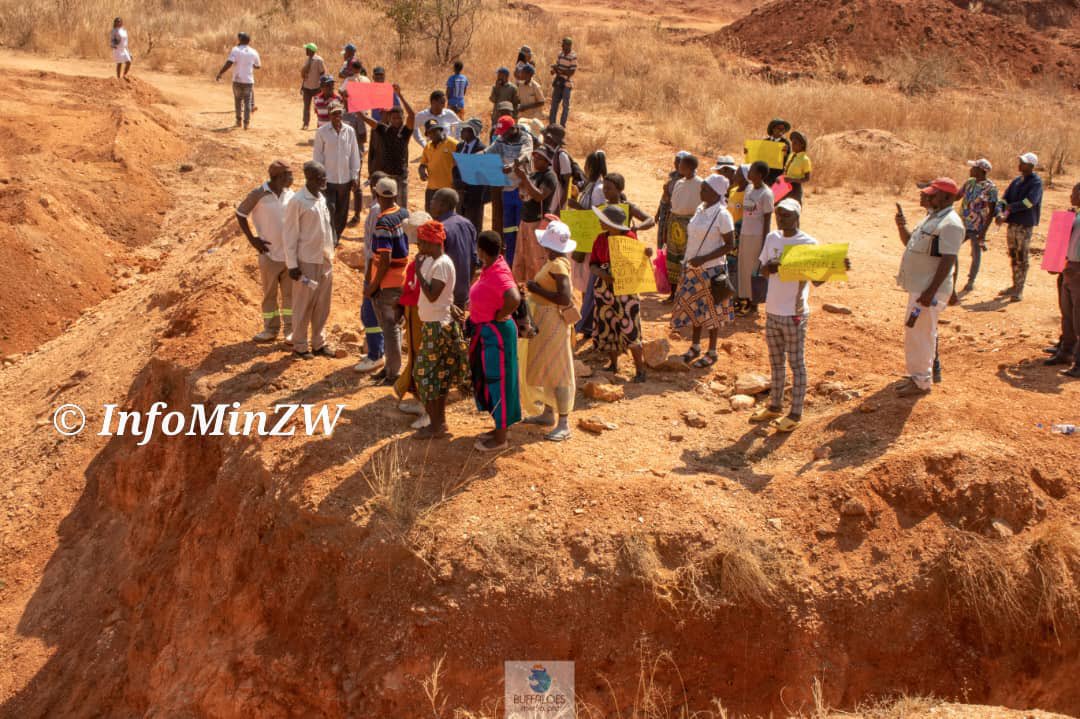
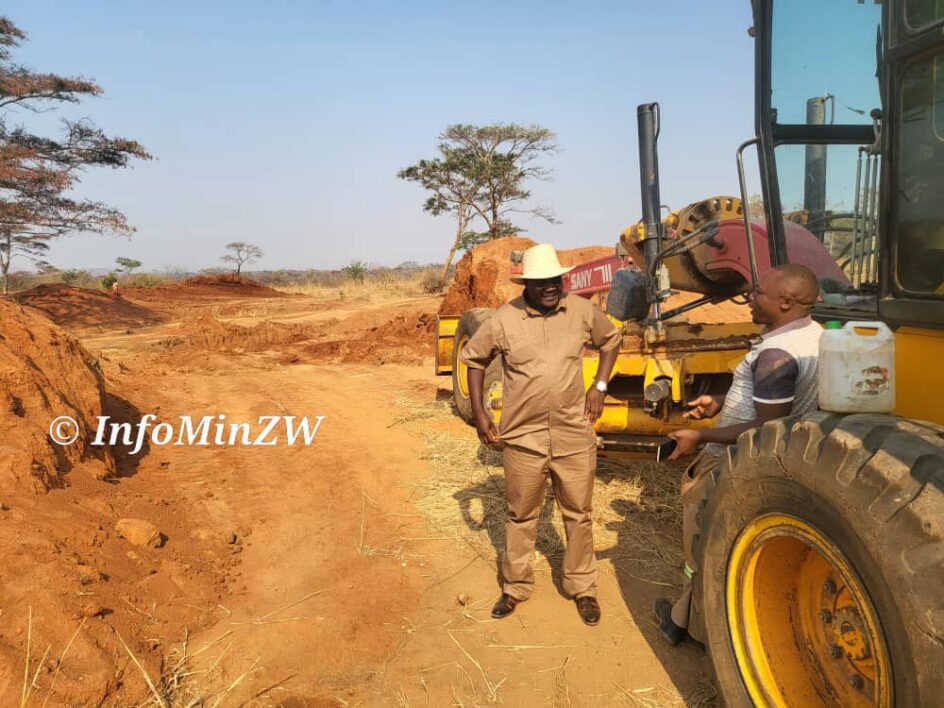
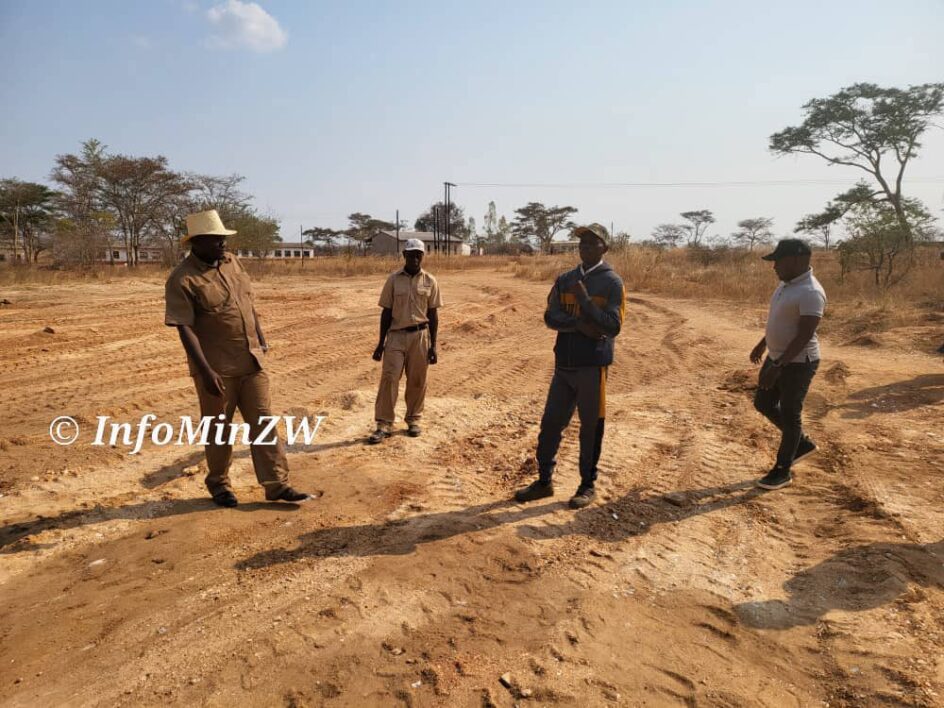
Recently, the community of Mutoko South has witnessed a pivotal moment in environmental stewardship as local leaders and residents united to address the dangers posed by illegal mining activities. Led by Mutoko South MP Hon. Isaac Tasikani, stakeholders—including representatives from Silveira House, the Mutoko Rural District Council (RDC), the Zimbabwe Republic Police (ZRP), the Environmental Management Agency (EMA), and the District Development Coordinator’s office—came together to refill hazardous pits left behind by miners searching for lithium. This information was shared by Nick Mangwana, the Permanent Secretary of the Ministry of Information on his X account.
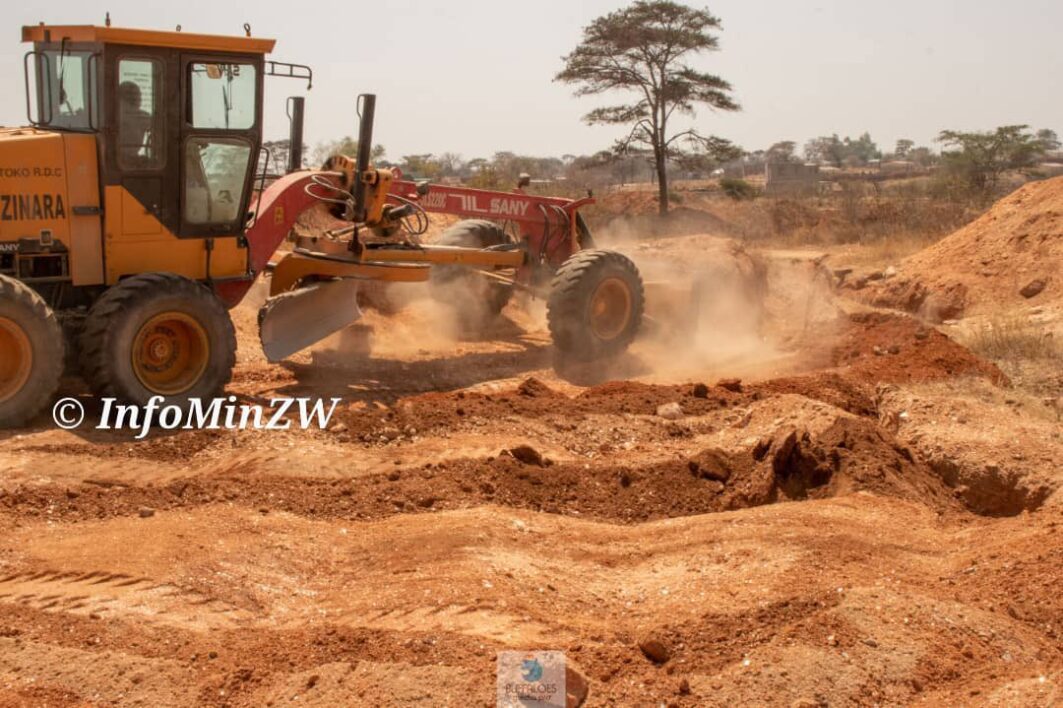
Illegal mining activities have had devastating effects on both the environment and the local community. In Mutoko South, the open pits created by these activities present significant threats to both human and animal safety. Children, livestock, and wildlife are at risk of falling into these unprotected holes, which can lead to injury or even death. Furthermore, the environmental degradation caused by such practices can disrupt local ecosystems, compromise soil quality, and diminish the land’s overall productivity.

Rainbow Hotels — Experience Luxury Across Zimbabwe
Rainbow Hotels continues to redefine hospitality standards in Zimbabwe, offering world-class accommodation, fine dining, and modern conference facilities in Harare, Bulawayo, and Victoria Falls.
Whether for business or leisure, Rainbow Hotels delivers unmatched comfort, exceptional service, and a truly premium guest experience tailored to modern travellers.
Book NowThe initiative to refill these pits emphasizes the necessity for communities to remain vigilant in monitoring their land. Land conservation is not just a responsibility of government agencies; it requires active participation from every community member. By taking ownership of their environment, residents can foster a culture of stewardship that prioritizes sustainability and safety.
Land is a precious resource, and its conservation is vital for future generations. The community’s response to the illegal mining issue serves as a powerful reminder of the importance of protecting this resource. Establishing community watch groups can empower residents to monitor land use actively, enabling them to report illegal activities and ensuring that the land is protected from exploitation. Raising awareness about the importance of land conservation can galvanize community action, while educational programs can inform residents about sustainable practices and the long-term benefits of protecting their land.
Communities should work closely with local authorities and environmental agencies to advocate for stronger regulations against illegal mining and to promote sustainable land management practices. Encouraging sustainable agricultural practices can also help preserve soil health and prevent land degradation, allowing farmers to contribute to the overall sustainability of their communities.
The collective efforts in Mutoko South highlight the significance of community involvement in land conservation. As Nick Mangwana stated, “Land is life,” and it is crucial for residents to embrace their role in safeguarding this invaluable resource. By remaining vigilant