The European Union’s Global Gateway initiative is supporting sustainable infrastructure development in Zimbabwe, focusing on energy, transport, digital connectivity, health, education, and research. In Zimbabwe, this translates to investments in strategic infrastructure and regional initiatives, such as the rehabilitation of the Kariba Dam and conservation efforts through NaturAfrica.
The EU is investing €26 million in agricultural value chains and agribusinesses, particularly in horticulture and drought-resistant crops. This includes technical assistance, market linkages, and access to finance for smallholder farmers and businesses.
To promote inclusive growth, the EU supports women’s economic empowerment, youth skills development, and civil society engagement. The EU is also providing humanitarian aid, including food assistance, protection, and education in emergencies.
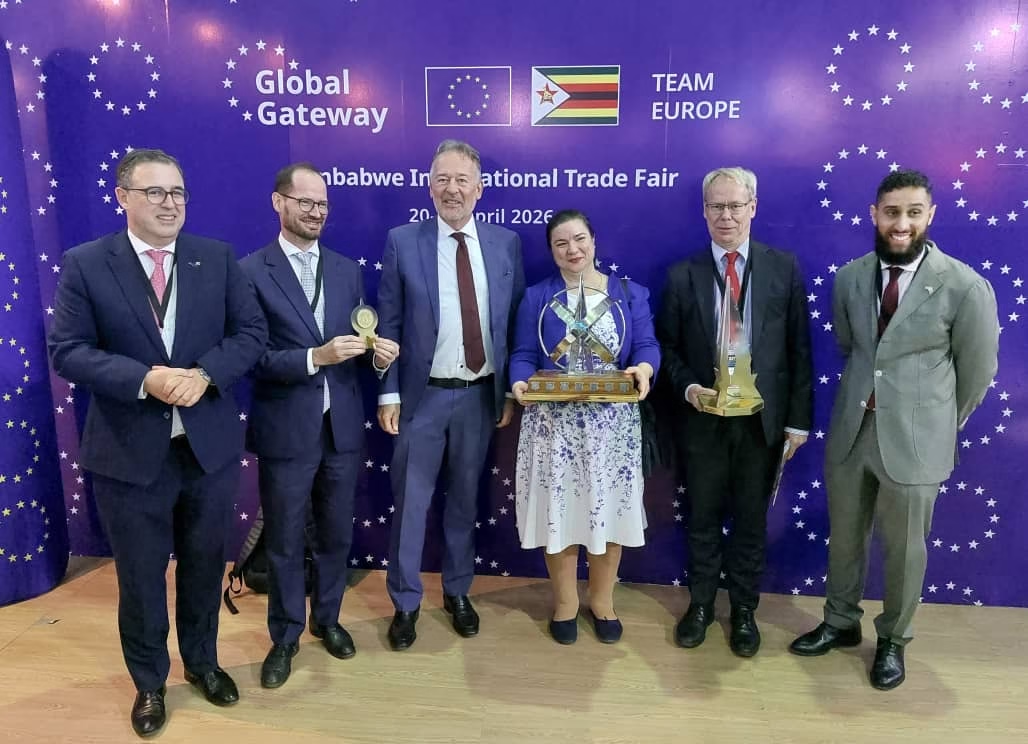
Various projects and companies are being showcased at the ZITF 2026, including private sector exhibitors Husqvarna, Fogmaker, BEKA Schréder, Webuild, Sue’s Delicatessen, and Atlas Copco. Green, climate-smart agriculture, and trade initiatives include RAIZ, Fish4ACP, PUM, GIZ, GET.prop, ZRBF II RECLAIM, MAPINDU AMANGWANA, SAHWIRA, HARVEST, and MURIMI 24/7.
Youth and culture initiatives include Youth Collective Action for Social Change, ERASMUS+, Alliance Française de Bulawayo, and Zimbabwe German Society. These projects demonstrate the EU’s commitment to sustainable development, economic growth, and social inclusion in Zimbabwe.
The EU’s Global Gateway initiative is expected to have a significant impact on Zimbabwe’s economy, with potential benefits including increased investment, job creation, and improved infrastructure. The initiative is also expected to promote sustainable development, reduce poverty, and improve the overall quality of life for Zimbabweans.
Overall, the EU’s presence at the 2026 ZITF is a testament to its commitment to supporting Zimbabwe’s development and promoting sustainable growth. The various projects and initiatives showcased at the event demonstrate the EU’s dedication to creating a better future for Zimbabwe and its people.