By Aldridge Dzvene
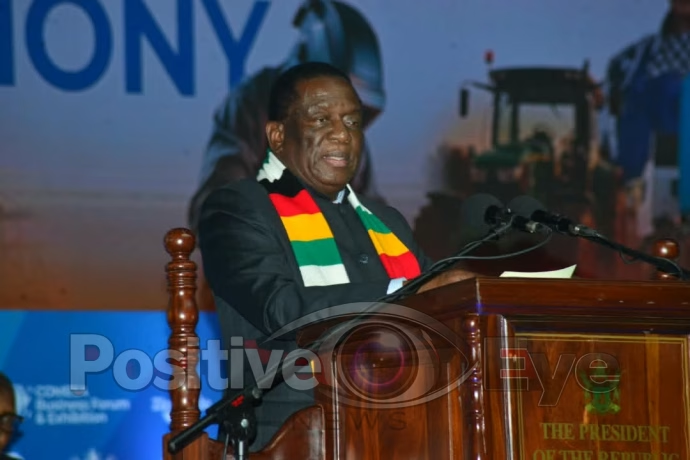
Zimbabwe has reaffirmed its commitment to strengthening regional economic cooperation after His Excellency Dr Emmerson Dambudzo Mnangagwa, President and First Secretary of ZANU PF, pledged the country’s full support to Eswatini’s Treasure Thembisile Maphanga following her appointment as Deputy Executive Secretary of the Southern African Development Community (SADC) for Regional Integration.
His Excellency Dr Emmerson Dambudzo Mnangagwa, President and First Secretary of ZANU PF, congratulated Ms Maphanga during a virtual Extraordinary Summit of SADC Heads of State and Government on Wednesday, 21 October 2026, expressing confidence in her ability to discharge her responsibilities effectively.
The appointment comes as the regional bloc continues to pursue stronger economic integration, increased intra-regional trade, industrialisation and employment creation, priorities that are important to Zimbabwe’s efforts to expand markets, strengthen production and attract investment.
For Zimbabwe, deeper regional integration offers opportunities to increase access to markets for locally produced goods, expand agricultural and industrial exports, and strengthen economic partnerships with neighbouring countries. However, the realisation of these opportunities depends on the effective implementation of regional agreements and the removal of practical barriers to cross-border trade.
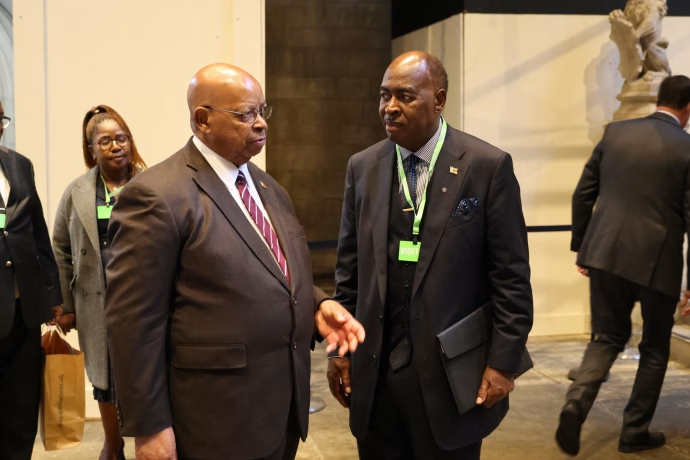
Ms Maphanga brings more than 30 years of experience in trade negotiations, industrial policy, institutional reform, public-private partnerships, resource mobilisation and programme delivery. Her responsibilities will include strategic oversight of regional programmes covering trade, industrialisation, infrastructure development, food security and social development.
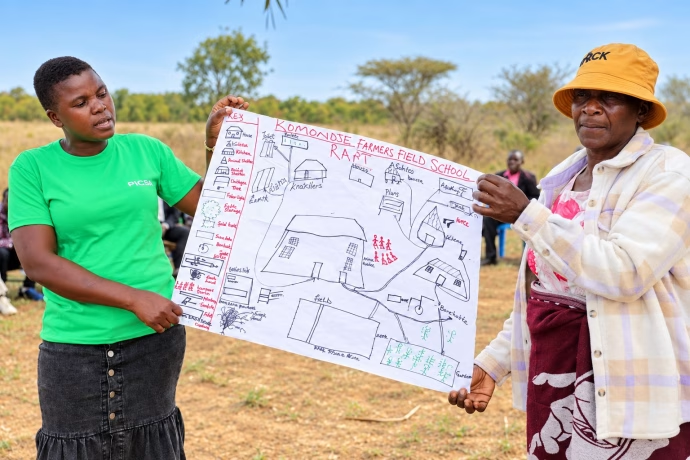
These responsibilities place implementation at the centre of the regional integration agenda. Stronger coordination among member states can help improve the movement of goods, support regional value chains and create opportunities for businesses to reach wider markets. For Zimbabwean producers, improved access to regional markets could support increased production, value addition and employment.
Nevertheless, regional integration requires more than agreements between governments. Its success depends on practical cooperation, efficient trade procedures, reliable infrastructure and the capacity of regional institutions to coordinate programmes and measure progress against agreed development objectives.
The summit also elected Lesotho Prime Minister Ntsokoane Samuel Matekane as incoming Chairperson of the SADC Organ on Politics, Defence and Security Cooperation. He joins Eswatini’s King Mswati III, the current chairperson, and Malawi President Arthur Peter Mutharika, the outgoing chairperson, in the Organ Troika.
The leadership decision underscores the importance of maintaining peace and stability as Southern Africa pursues economic development. Political and security challenges can disrupt trade, undermine investment confidence and divert resources away from productive sectors. Regional cooperation remains essential to addressing shared threats and sustaining an environment conducive to development.
The summit further called on member states to strengthen disaster preparedness, improve anticipatory action and coordinate responses to emerging humanitarian risks ahead of the anticipated 2026/2027 El Niño and cyclone season.
For Zimbabwe and its neighbours, climate-related risks have implications for agricultural production, water availability, food security and rural livelihoods. Stronger early-warning systems, coordinated preparedness and investment in resilient infrastructure can help protect communities and reduce the economic consequences of extreme weather events.
The regional agenda therefore links economic integration with security and resilience. Progress in these areas requires member states to translate shared commitments into coordinated action that delivers practical benefits to their populations.
Zimbabwe’s support for Ms Maphanga’s appointment reflects its engagement with the regional integration process at a time when cooperation remains important to expanding economic opportunities across Southern Africa. The broader test for SADC will be whether its institutions and member states can turn their commitments into stronger trade, productive investment, employment opportunities and improved livelihoods.