By Aldridge Dzvene
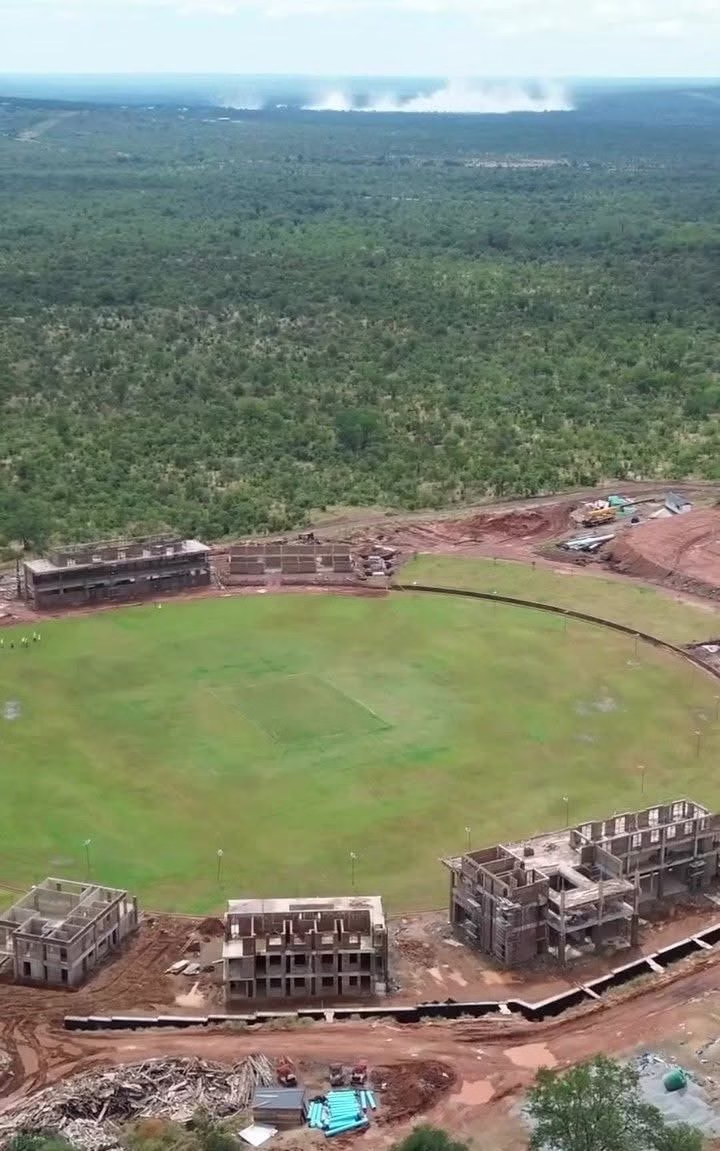
The Mosi-oa-Tunya International Cricket Stadium, under development in the Masuwe Special Economic Zone, is emerging as a landmark project with far-reaching implications for sport, tourism, and economic growth in Zimbabwe. First proposed in 2010, the stadium has now reached an advanced stage of construction, with the playing surface and black soil wickets nearly complete, and most heavy civil works, including grass embankments and concrete grandstands, finalized as of May 2026.

Rainbow Hotels — Experience Luxury Across Zimbabwe
Rainbow Hotels continues to redefine hospitality standards in Zimbabwe, offering world-class accommodation, fine dining, and modern conference facilities in Harare, Bulawayo, and Victoria Falls.
Whether for business or leisure, Rainbow Hotels delivers unmatched comfort, exceptional service, and a truly premium guest experience tailored to modern travellers.
Book NowBeyond its technical specifications, the stadium is being positioned as a “destination venue,” offering a unique spectator experience with the iconic Victoria Falls as a backdrop, reminiscent of international venues such as Dharamshala in India and Queenstown in New Zealand. This approach is expected to elevate Zimbabwe’s visibility in the global cricketing community, attracting both domestic and international fans and reinforcing the country as a premier tourism destination.
Economically, the stadium is envisioned as more than a sporting facility. The site is part of a broader integrated plan including medical tourism and conference facilities, creating a multi-sport and multi-purpose hub capable of hosting cricket, rugby, hockey, and other events year-round. This diversification ensures sustained tourism activity, generating revenue streams for local businesses and creating employment opportunities across the region.
The timing of the stadium’s completion aligns with Zimbabwe’s role as co-host of the 2027 ICC Men’s Cricket World Cup. With the August 2026 completion target, the pitch will have ample time to settle, ensuring world-class playing conditions for international teams and spectators alike.
Strategically, the project demonstrates Zimbabwe’s commitment to leveraging sports infrastructure as a catalyst for regional development, economic diversification, and international positioning. Once operational, the Victoria Falls Cricket Stadium is expected to redefine the sporting and tourism landscape of the region, offering a sustainable model that integrates sport, culture, and economic opportunity under the broader objectives of Vision 2030 and NDS2.