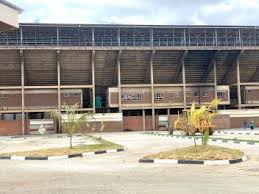
Harare City Council’s failure to build and develop Rufaro Stadium has drawn significant criticism, especially after FIFA’s announcement that Zimbabwe’s stadiums do not meet international standards.
The council, which took over the stadium from Sakunda Holdings which they had awarded a long-term lease for the iconic venue. Sakunda Holdings had the potential to transform the venue, however council has made little progress. Aside from constructing a car park, the stadium remains in a state of disrepair, unfit to host any international matches.
This setback has had a direct impact on the Warriors, Zimbabwe’s national football team, who are now forced to play their international fixtures in other countries. This displacement has put the team at a disadvantage, depriving them of the home-ground advantage and creating logistical challenges. Many Zimbabwean football fans and experts have voiced their frustration with the council, pointing out that Sakunda Holdings had shown promise in making necessary improvements before the council’s intervention.
Sakunda Holdings were expected to upgrade the entire stadium, including the playing turf, install bucket seats on the terraces and rehabilitate the outside pitches, including help in the resurfacing of the surrounding road network.
FIFA’s assessment of Zimbabwe’s football grounds has further highlighted the inadequacy of Rufaro Stadium. The stadium, once a symbol of pride for the city, has been left behind while other countries in the region have modernized their facilities to meet international standards. As a result, Zimbabwe finds itself without a suitable venue for high-profile matches, impacting not only the Warriors but also the nation’s standing in regional and international football.
Critics argue that had Harare City allowed Sakunda Holdings to complete its development plans, Rufaro Stadium could have been a world-class facility by now. Instead, the council’s limited progress has led to a missed opportunity, with the Warriors paying the price.
As Zimbabwean football looks to the future, there are growing calls for urgent action to upgrade the country’s football infrastructure, starting with the neglected Rufaro Stadium.