Zimbabwe is poised to boost its economy through a thriving mining industry, with the country now ranked among the top three African countries with the largest reserves of lithium while the recent discovery of natural gas and oil will add to the transformation the country’s economic fortunes, President Mnangagwa has said.
The country is richly endowed with abundant mineral resources, ranging from gold, platinum, diamond to lithium, among others, which will play a critical role in making Zimbabwe an upper middle-income society by 2030.
In 2018 the country’s mining sector was generating just US$2,8 billion annually, but through investments in new mines, the revival of dormant ones and the opening of greenfield projects, Zimbabwe is now poised to surpass its initial US$12 billion mining industry target.
A host of activities have been lined up and new policies crafted, including the requirement for extractors of gems and precious metals to pay half of their mining royalties to the Government through minerals, as the country heightens moves to build its mineral reserves.
Previously, miners were only paying monetary tax but the new new measures compelling them to remit physical minerals are set to be a game changer.
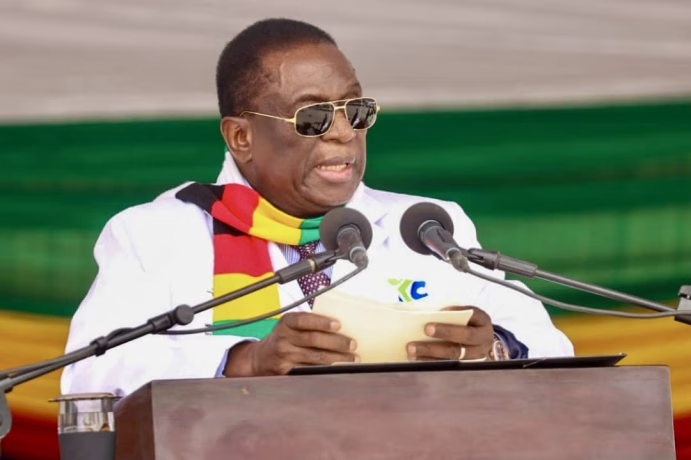
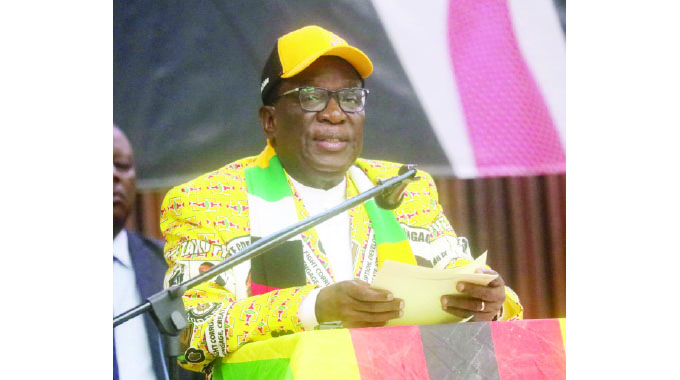
Speaking during Zanu PF’s 121st Ordinary Session of the Central Committee and the last one for this year at the ruling party’s headquarters in Harare last week, President Mnangagwa said the country was realising huge successes in the mining sector.
“The increased productivity across all sub-sectors such as lithium, gold and platinum among others, along with the new discoveries of gas, first and foremost, translate to benefits for our own people,” he said.
“There are some who thought we will wallow in poverty but in mining, Zimbabwe is now among the top three countries on this continent with the largest reserves of lithium. Now we have also discovered gas and oil in Muzarabani, it will be a game changer.”
President Mnangagwa said while natural gas reserves had been confirmed in large quantities what was left was to see whether the discovered oil was also commercially viable.
He said strategic collaborations and partnerships were set to increase value addition and beneficiation, accelerate industrialisation and modernise as well as quicken infrastructure development across the country.
As the year was coming to an end, it was pleasing that the ruling party continued to display collective determination, focus and clarity on the need to pursue socio-economic projects for the benefit of people of the motherland.
“Increased production and productivity, household by household, village by village and ward by ward right up to the provincial level, will go a long way in consolidating the economic gains we have realised so far,” he said.
“With regard to the predicted negative effects of El Nino on the current summer cropping season, I once again assure the nation that our Zanu PF Government has put in place numerous strategies to make sure that the welfare of our people, especially the most vulnerable, is safeguarded.”
The Government recently noted that Zimbabwe has over 60 recorded minerals but only 10 are being actively mined. The rest will be mined once there is sufficient exploration and resource definition.
Herald