By Aldridge Dzvene
A new rural development initiative in Siboza, Zvishavane District, is bringing together enterprise development, environmental conservation and protection from gender-based violence, creating an integrated model aimed at expanding economic opportunities and strengthening the security of rural women.
The initiative, comprising a Skills Training, Value Addition and Processing Centre and an adjacent safe shelter, places practical livelihood support alongside protection services, recognising that women’s participation in local economic activity is closely connected to their access to resources, safety and the ability to sustain independent livelihoods.
Commissioned on November 2, 2026, during Zimbabwe’s commemoration of the International Day of Rural Women, the facilities are expected to serve communities through skills development, value addition and support for survivors of gender-based violence.
The skills centre is supported by the United Nations Development Programme (UNDP) through the Global Environment Facility Small Grants Programme (GEF SGP) and implemented by LID Agency. It provides machinery for diamond-mesh fence production and food processing, giving local cooperatives an opportunity to move beyond primary production into the manufacture and processing of marketable products.
Of the centre’s 266 direct beneficiaries, 199 are women, representing nearly 75 percent. This places women at the centre of the project’s intended economic impact, particularly in rural communities where access to productive equipment, finance, markets and technical skills can determine whether agricultural and other livelihood activities develop into sustainable enterprises.
The production of fencing materials, for instance, introduces an additional income-generating activity while creating opportunities for cooperatives to supply products that have practical applications in agriculture and other local economic activities. Food processing similarly offers scope for communities to increase the value of agricultural produce, reduce dependence on selling unprocessed commodities and explore wider markets.
The significance of the project also extends into environmental management. The centre is connected to efforts to protect the nearby Chebvute-Rambatemwa wetland, with activities linking watershed management to horticulture, poultry, food processing and enterprise development.
For rural households whose livelihoods depend on land, water and other natural resources, environmental degradation and climate-related shocks can directly undermine income and food production. Linking conservation with income-generating activities therefore offers a development pathway in which protecting natural resources becomes part of strengthening household economic resilience.
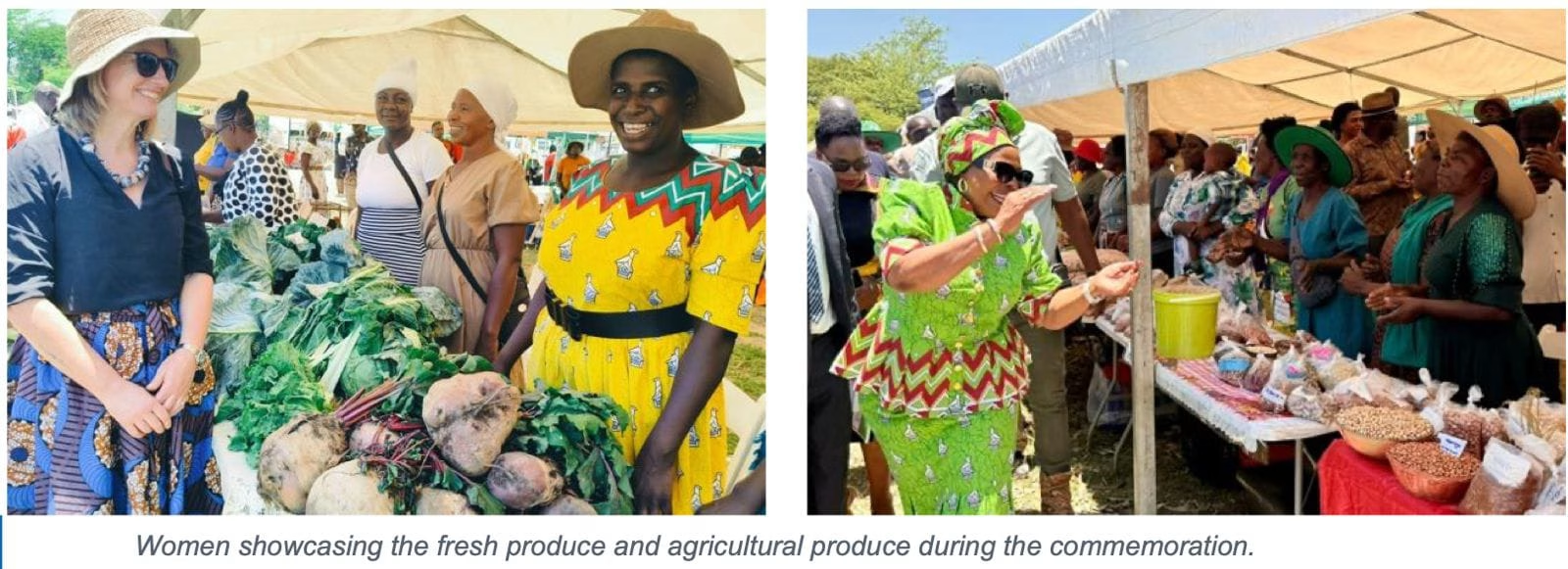
Activities during the commissioning included exhibitions of agricultural produce, demonstrations of the new equipment and tree planting, reinforcing the connection between productive livelihoods and environmental stewardship.
The second component, the Siboza Safe Shelter, addresses a different but equally important dimension of rural development. Financed by the Government and people of Japan through the Embassy of Japan in Zimbabwe, the facility is intended to provide dedicated space for the prevention of gender-based violence and protection and support for survivors.
Its location alongside the skills centre brings economic empowerment and personal safety into the same community development framework. While the production facility seeks to expand women’s opportunities to generate income, the shelter provides a local support infrastructure for those affected by violence.
The relationship between these interventions is significant because economic opportunity alone cannot guarantee women’s full participation in development where violence, insecurity and barriers to accessing support remain. Equally, protection services need to operate within communities where women can access opportunities to rebuild their livelihoods and participate in economic life.
Speaking at the commemoration, Minister of Women Affairs, Community, Small and Medium Enterprises Development, Hon. Monica Mutsvangwa, described rural women as central to Zimbabwe’s food security, natural resource management and rural economies. She also highlighted persistent constraints, including limited access to land and finance, alongside the growing effects of climate shocks.
Speaking on behalf of the United Nations Resident Coordinator, UN Women Deputy Representative Dr Loveness Makonese reaffirmed the UN’s commitment to advancing women’s economic empowerment, climate resilience and protection from gender-based violence. She emphasised the need for rural women to have the resources and opportunities to build secure livelihoods, adapt to climate change and live free from violence.
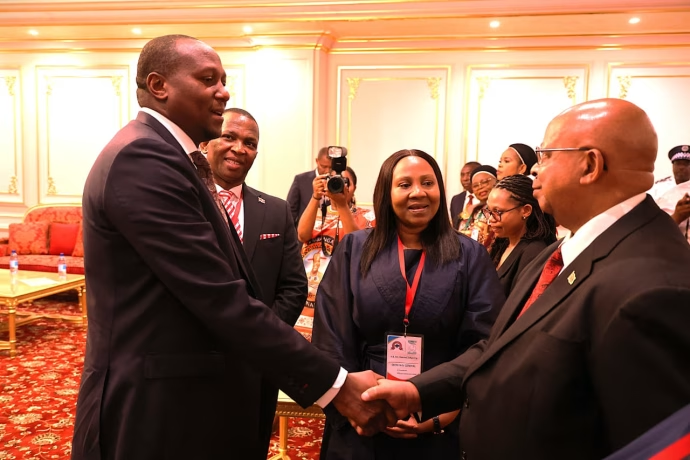
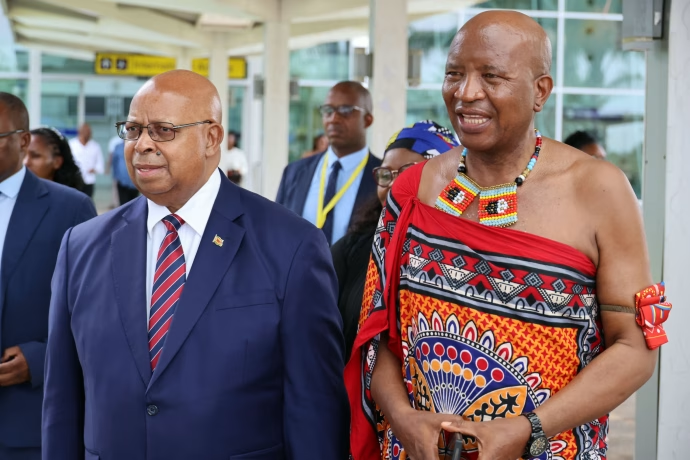
Japan’s Ambassador to Zimbabwe, Maekawa Nobutaka, and Midlands Minister of State O. Ncube also attended the commissioning.
The project comes at a time when rural development increasingly requires interventions that connect agricultural productivity, environmental sustainability and inclusive enterprise development. For Zimbabwe, strengthening rural value chains is particularly relevant in communities where the availability of productive infrastructure and access to markets can influence the economic returns from farming and other local activities.
However, the long-term impact of the Siboza facilities will depend on whether the new equipment translates into viable businesses. Access to machinery is an important starting point, but cooperatives will also require reliable supplies of raw materials, business management capacity, working capital and dependable markets for their products.
UNDP and its implementing partners have identified business and operational plans for cooperatives, reliable raw material supplies and stronger links to buyers as priorities for sustaining the initiative. These elements will be essential in moving beneficiaries from training and production demonstrations towards consistent commercial activity.
The broader policy environment also matters. During the event, Minister Mutsvangwa highlighted national initiatives intended to widen women’s access to finance and skills, including the Women’s Development Fund, Zimbabwe Community Development Fund, Zimbabwe Women’s Microfinance Bank and the Small and Medium Enterprises Development Corporation, alongside plans for a national digital skills programme.
Siboza therefore presents an opportunity to connect community-level production with wider support structures for women-led enterprises. If cooperatives can establish reliable production, access financing and secure markets, the centre could contribute to a more diversified rural economy while strengthening household resilience.
Ultimately, the measure of success will not only be the number of women trained or the equipment installed, but the number of enterprises that remain operational, the income generated by beneficiaries, the natural resources protected and the effectiveness of the shelter in providing support to women affected by violence.
By bringing productive skills, environmental protection and community safety into one development intervention, Siboza demonstrates how rural investment can address interconnected challenges rather than treating them as separate issues