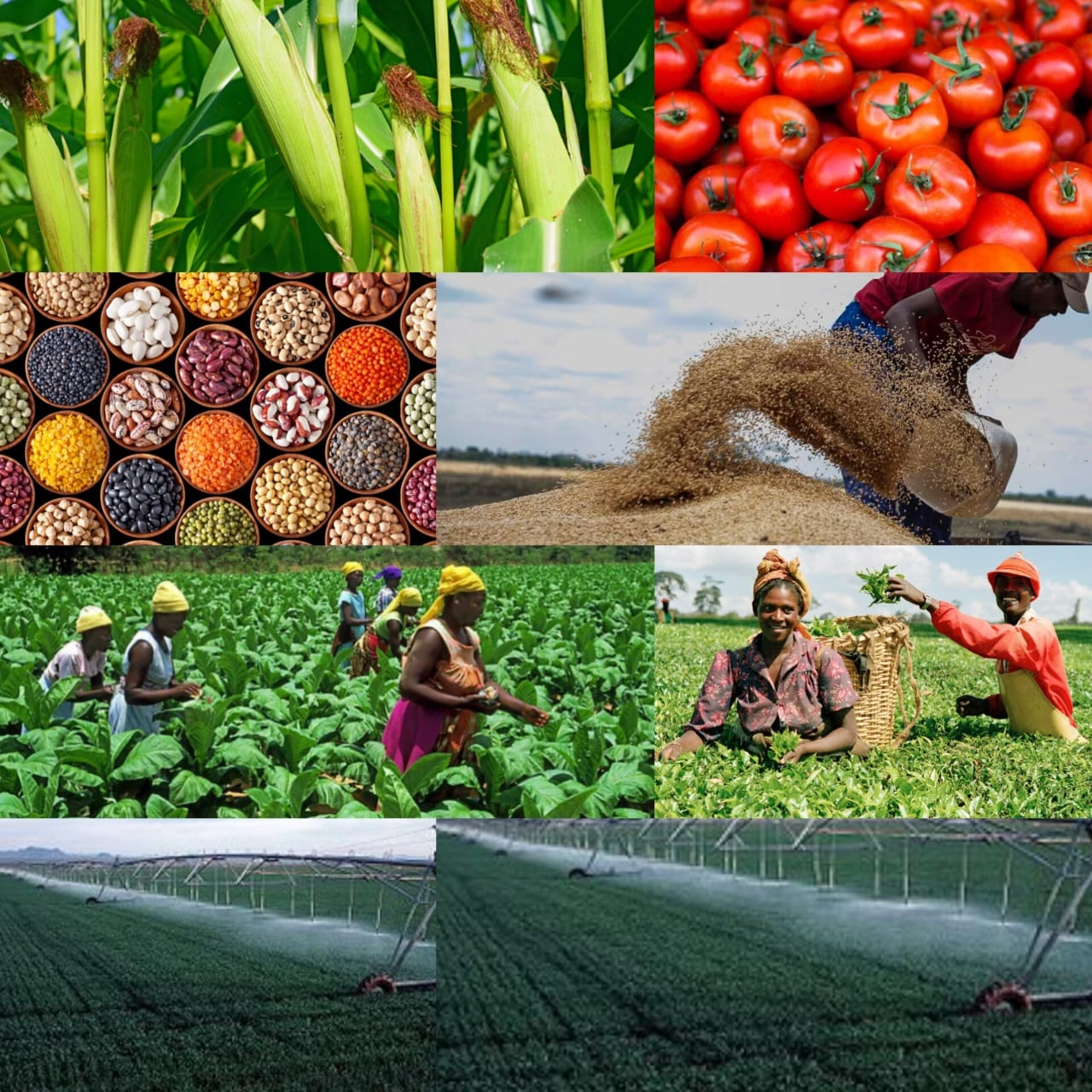
Zimbabwe’s agricultural sector continues to demonstrate resilience and sustained growth after Cabinet received an update showing improved crop production, record grain deliveries and increased winter cropping, developments that reinforce the country’s food security objectives under the Second Republic.
Cabinet, chaired by President Emmerson Dambudzo Mnangagwa on Tuesday, was informed that the country’s food security outlook remains generally positive following the Second Round Crop, Livestock and Fisheries Assessment. Government grain stocks held by the Grain Marketing Board (GMB) stood at 239,824 metric tonnes as of July 28, 2026, providing a strong strategic reserve while grain deliveries from the 2025/26 season are now 135 percent higher than those recorded during the previous season.
The latest figures indicate that Zimbabwe’s agricultural transformation is increasingly translating into measurable outcomes. A total of 422,821 metric tonnes of crops, including maize, soyabean, sorghum and sunflower, had been formally marketed by July 30, compared to 251,648 metric tonnes during the same period in 2025. This reflects increased production as well as improved farmer participation in formal markets.
Equally significant is Government’s fulfilment of its payment obligations to farmers. Cabinet announced that the Grain Marketing Board has cleared all outstanding payments from the 2024/25 season and has already paid more than US$19 million for grain delivered during the current marketing season. Prompt payments are expected to strengthen confidence among producers while supporting reinvestment into future farming activities.
Production statistics further demonstrate the sector’s continued expansion. Maize production increased from 2.2 million metric tonnes last season to 2.69 million metric tonnes, representing a 17.1 percent increase, while soyabean production more than doubled, rising by 125 percent. These gains point to the growing effectiveness of Government support programmes, irrigation expansion and improved farming practices.
The positive trajectory extends beyond staple crops. Tobacco sales reached a record 355.9 million kilogrammes by July 29, while export volumes increased by 40 percent compared to the same period last year. Meanwhile, winter wheat planting expanded to more than 133,000 hectares, surpassing last year’s hectarage, while Irish potato and barley production also continues to progress.
The latest Cabinet update reflects the increasing contribution of agriculture to national economic stability. With improved production, stronger grain reserves and continued investment in winter cropping, Zimbabwe appears well positioned to consolidate food security while supporting industrial growth through increased agricultural output.