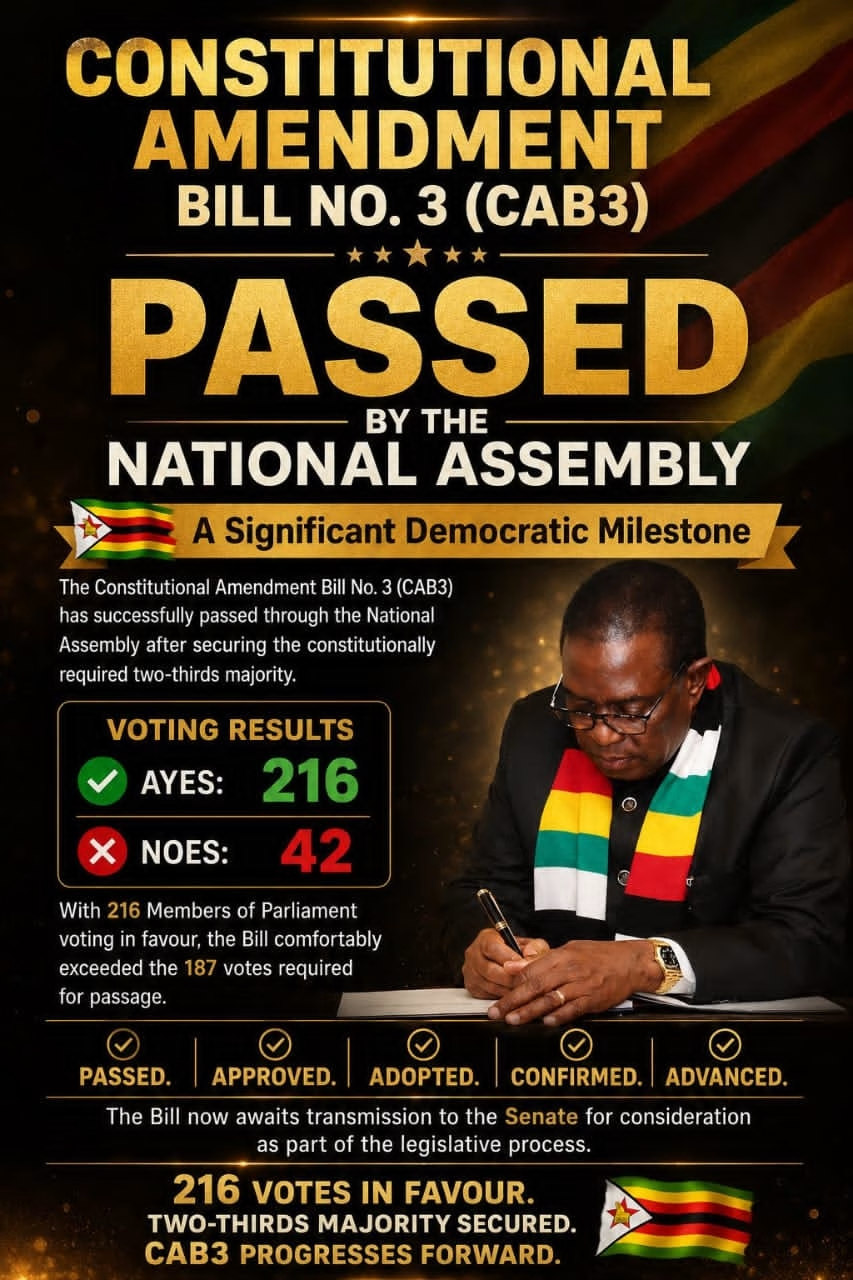
HARARE – The Constitution of Zimbabwe Amendment (No. 3) Bill (CAB3) has cleared a major legislative hurdle after being approved by the National Assembly with the constitutionally required two-thirds majority, paving the way for consideration by the Senate.
The Bill was passed by 216 votes to 42, surpassing the threshold required for constitutional amendments. The outcome marks the culmination of months of parliamentary debate, consultations and legislative scrutiny on one of the most consequential constitutional proposals in recent years.
With the National Assembly stage now complete, attention shifts to the Senate, where the Bill must again secure a two-thirds majority before it can be submitted for presidential assent.
CAB3 proposes several significant constitutional changes, including extending the terms of the President, Parliament and local authorities from five to seven years. It also seeks to alter the manner in which future Presidents would be elected, introduce changes to the composition of the Senate and reform aspects of electoral administration.
Supporters of the Bill argue that the proposed amendments are intended to strengthen governance systems, improve institutional efficiency and create greater policy continuity by reducing the frequency of elections. They contend that longer electoral cycles could provide more time for the implementation of long-term development programmes.
However, the Bill has generated considerable debate among legal experts, civil society organisations and political stakeholders. Critics have expressed concerns about the implications of some provisions for democratic accountability, electoral processes and constitutional safeguards.
The passage of the Bill in the National Assembly does not conclude the constitutional process. Legal questions surrounding certain provisions remain the subject of public discussion, while constitutional experts continue to offer differing interpretations regarding the potential implications of the proposed amendments.
Recent court applications seeking to halt Parliament’s consideration of the Bill were dismissed on procedural grounds, meaning substantive constitutional questions have yet to be determined by the courts. As a result, further legal challenges remain possible should the legislation eventually become law.
The Senate’s deliberations will therefore represent the next crucial stage in the amendment process. If approved by the Upper House and subsequently assented to, CAB3 would introduce some of the most far-reaching constitutional changes since the adoption of the 2013 Constitution.
For now, the National Assembly’s vote has moved the Bill one step closer to becoming law, while ensuring that debate over its legal, political and institutional implications continues.