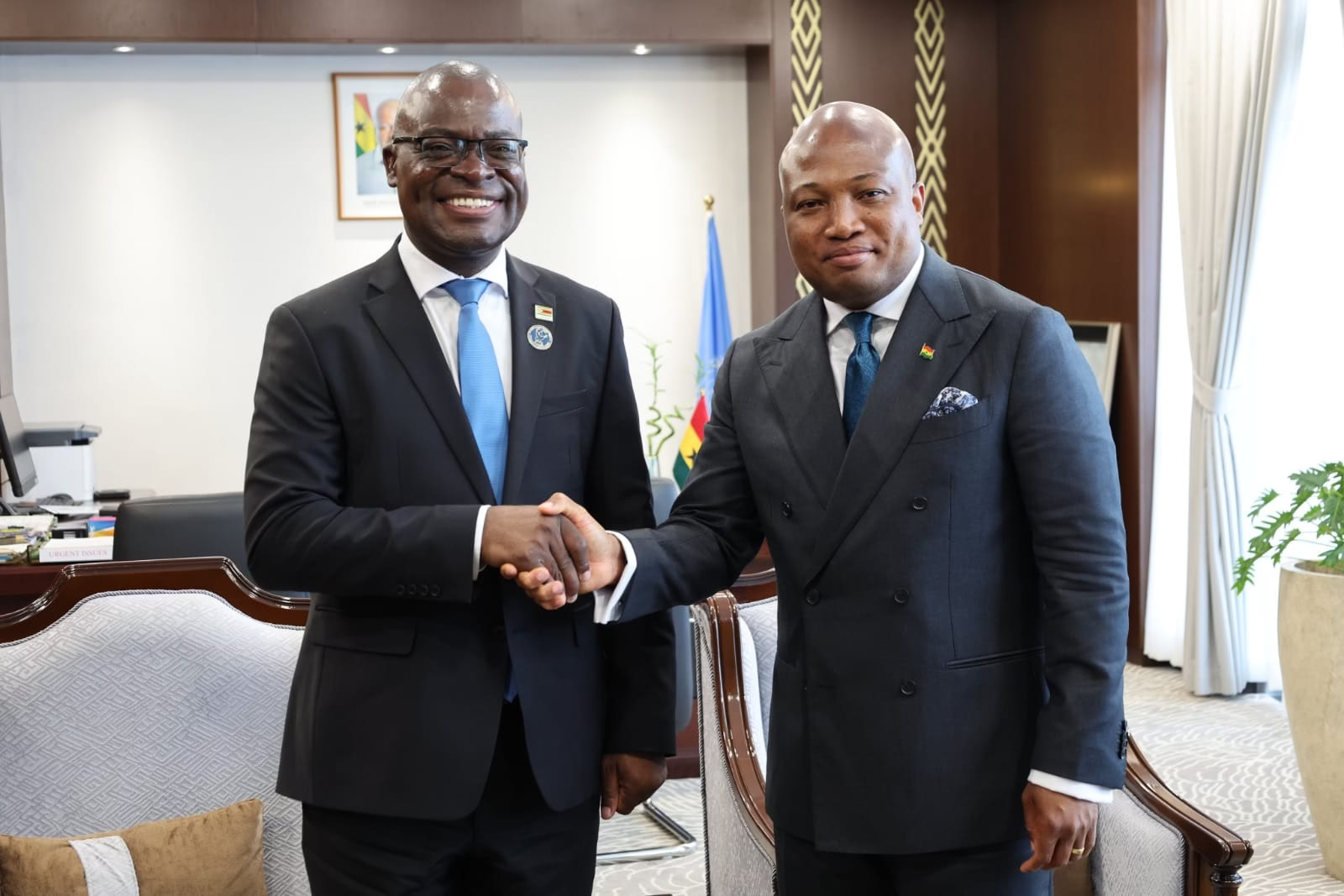
Amon Murwira is in Accra for the inaugural session of the Permanent Joint Commission for Cooperation between Zimbabwe and Ghana, a high-level engagement that sets the foundation for a new phase of structured bilateral cooperation ahead of the State Visit by Emmerson Dambudzo Mnangagwa.
The Joint Commission, co-chaired by Professor Murwira and Samuel Okudzeto Ablakwa, represents a strategic shift from traditional diplomatic engagement toward results-oriented economic collaboration. It establishes a formal platform through which both countries can translate longstanding political goodwill into tangible development outcomes.
At the centre of the discussions is the recognition that Zimbabwe and Ghana possess complementary economic strengths that, if effectively aligned, can unlock significant trade and investment opportunities. Ghana’s established position in cocoa production, gold exports, and its expanding industrial base aligns with Zimbabwe’s mineral wealth and strong agricultural potential, creating a natural basis for mutually beneficial cooperation.
The JPCC framework is expected to address structural barriers that have historically limited intra-African trade, including policy fragmentation, logistical inefficiencies, and limited coordination between public and private sectors. By creating a predictable and transparent engagement mechanism, the platform is designed to facilitate smoother business operations, enhance investor confidence, and accelerate the implementation of joint initiatives.
Key sectors identified for cooperation include agribusiness, mining, manufacturing, energy, and infrastructure development, all of which are critical pillars for economic transformation and job creation in both countries. The emphasis on value addition and beneficiation reflects a shared commitment to move beyond primary commodity exports toward more industrialised and resilient economies.
Importantly, the engagement aligns with the broader objectives of the African Continental Free Trade Area, which seeks to deepen intra-African trade and reduce reliance on external markets. By strengthening bilateral trade frameworks, Zimbabwe and Ghana are positioning themselves as active contributors to continental integration and economic self-sufficiency.
Beyond economic cooperation, the JPCC also reinforces political and diplomatic alignment. Regular high-level engagements are expected to strengthen trust, harmonise policy approaches, and enable coordinated positions on regional and global issues within platforms such as the African Union.
The timing of the JPCC session is particularly significant as it precedes the State Visit by President Mnangagwa to Accra, a move that is set to consolidate the outcomes of the Commission and elevate relations to a higher level of strategic partnership.
In essence, the launch of the Joint Commission marks more than a diplomatic milestone. It signals a deliberate pivot toward structured, implementation-driven cooperation, where agreements are expected to translate into measurable economic gains.
As Zimbabwe and Ghana deepen their collaboration, the partnership is poised not only to enhance bilateral prosperity but also to contribute meaningfully to Africa’s broader development agenda, anchored on integration, industrialisation, and shared growth.