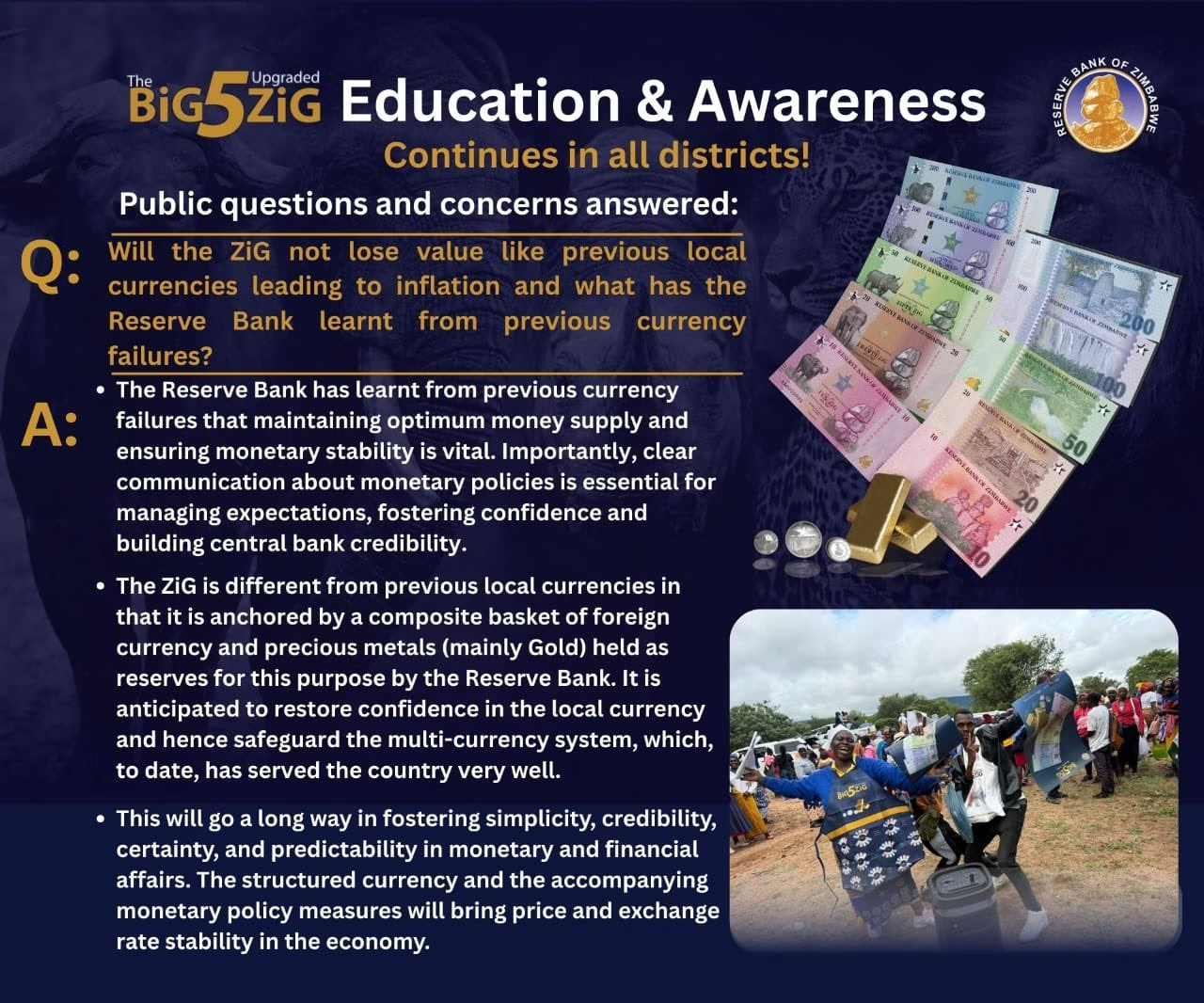
Harare, Zimbabwe – The Reserve Bank of Zimbabwe (RBZ) has unveiled a major milestone in its monetary reform agenda with the rollout of the new “Big Five” ZiG banknote series, marking a bold push toward a mono-currency system following the release of the 2026 Monetary Policy Statement, which focuses on increasing physical cash availability while strengthening domestic monetary discipline.
The new series, featuring ZiG10, ZiG20 and ZiG50 notes, is scheduled to enter circulation on 7 April 2026, with higher denominations to follow in subsequent phases. The rollout is designed to improve liquidity, reduce reliance on foreign currencies and address persistent small-change shortages that have forced retailers to round up prices, disproportionately affecting low-income consumers.
The “Big Five” series incorporates upgraded security features and enhanced durability to combat counterfeiting and extend the lifespan of physical cash. In tandem, ZiG coins are being reintroduced to ensure everyday transactions are convenient and reliable. Withdrawal limits have been increased to ZiG10,000 per week for individuals and ZiG100,000 for corporate accounts to encourage the use of ZiG for daily business.
As part of its accelerated de-dollarization drive, the RBZ has introduced stricter transaction requirements. Locally incorporated companies are now required to settle all domestic transactions using ZiG and local payment systems, while foreign accounts are restricted to servicing external debt obligations. Exporters must continue to surrender 30 percent of foreign currency earnings at the prevailing interbank rate while buyers of key crops such as cotton and tobacco must pay farmers 70 percent in foreign currency and 30 percent in ZiG.
The central bank reported a dramatic drop in annual ZiG inflation to 4.1 percent in January 2026, down from 95.8 percent in mid-2025, a reflection of strict adherence to backing every note in circulation with gold and foreign exchange reserves, which now exceed US$1.1 billion. Analysts say this stability is key to restoring confidence in the local currency and accelerating Zimbabwe’s journey toward a fully mono-currency economy by 2030.
The rollout of the “Big Five” series represents more than a currency redesign; it is a strategic measure to strengthen domestic trade, reduce foreign currency dependence and foster financial inclusivity. By ensuring that physical ZiG is accessible, reliable and widely accepted, the RBZ is positioning the local currency as a central pillar for Zimbabwe’s economic sovereignty, modernisation and sustainable growth.