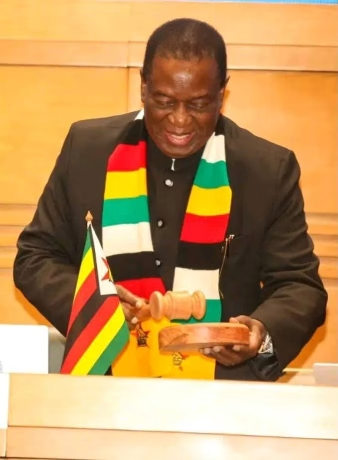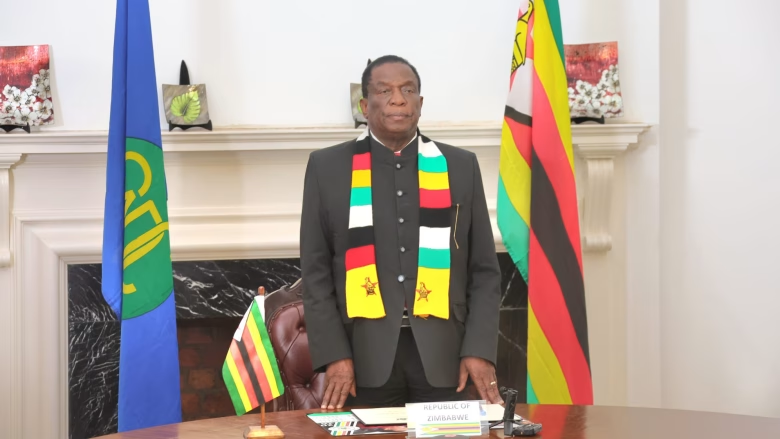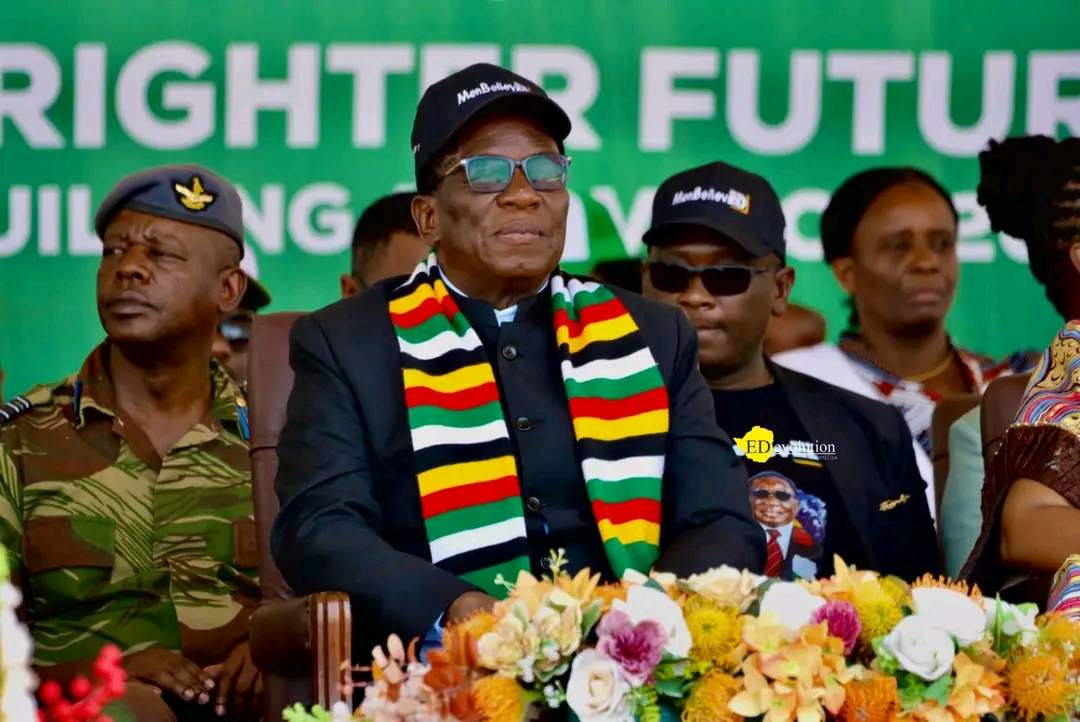
In our cultural ethos, discussing succession while a leader is still in office is deemed inappropriate. However, politics often operates outside the bounds of tradition, as seen in recent discussions surrounding a third-term bid for President Emmerson Mnangagwa.
Despite his explicit commitment to constitutionalism, calls from some within ZANU PF for him to consider extending his presidency have sparked widespread public debate.
At present, the focus should remain on the tangible progress being made under President Mnangagwa’s leadership. From infrastructure development to efforts aimed at revitalizing the economy amidst resource constraints, these strides serve as a testament to the mantra “Nyika inovakwa nevene vayo” (The country is built by its people). Instead of framing this progress as justification for extending the president’s tenure, it should be an invitation for collective action toward national development. Unfortunately, the third-term narrative risks fracturing this momentum, creating unnecessary divisions that undermine the President’s broader developmental agenda.
History suggests that such proposals often emerge from individuals seeking relevance within the party rather than genuine political reform. By pushing speculative debates, these actors distract from critical issues affecting ordinary citizens. Zimbabwe stands at a crossroads where national discourse should be focused on combating corruption, tackling the scourge of substance abuse, and addressing grassroots concerns. Yet, the third-term proposal seems designed to shift attention away from these pressing challenges, prioritizing personal and factional agendas over national interests.
The dismissal of the third-term motion at the recent ZANU PF conference in Bulawayo highlights the party’s stance on constitutional fidelity. However, the conversation persists, with subsequent suggestions ranging from transferring power to a female leader to other speculative ideas about succession. These diversions expose the self-serving tendencies of some politicians who seek to manipulate public sentiment for personal gain, often to the detriment of party unity and public confidence.
As Zimbabwe seeks to consolidate economic gains and strengthen social cohesion, it is imperative to steer clear of premature and polarizing debates about leadership transitions. The focus must remain firmly on development and delivering meaningful change to citizens’ lives. Leaders and policymakers must resist the allure of political theatrics, which often serve as smokescreens for inaction and incompetence.
Ultimately, Zimbabwe’s path forward depends on fostering unity, upholding constitutional values, and ensuring that political energy is directed toward solving real problems.
The public deserves a respite from speculative debates and a renewed commitment to building a prosperous and inclusive future.
The time for leadership succession debates will come—but it is not now.