By Aldridge Dzvene
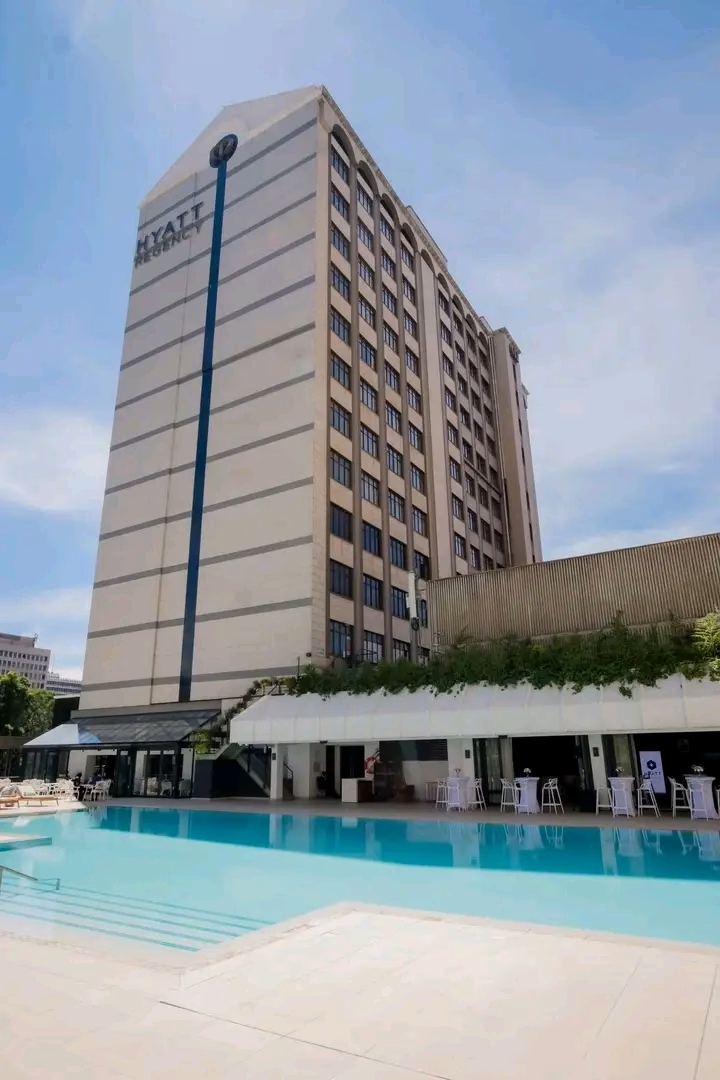
Hyatt Regency Harare The Meikles is strengthening its position as one of Zimbabwe’s leading hospitality and business destinations through an extensive modernisation programme that is redefining the experience of a hotel whose history is deeply intertwined with the development of Harare.
This emerged during a media tour of the establishment, where journalists were given an opportunity to appreciate the hotel’s upgraded facilities, accommodation offerings, conference infrastructure and broader investment in modern hospitality standards.
Originally established in 1915, the property has remained an important feature of Harare’s hospitality landscape for more than a century. Its transition from the historic Meikles Hotel to Hyatt Regency Harare The Meikles in May 2024 represents more than a change of identity. It signals an effort to connect Zimbabwe’s established hospitality heritage with the international standards, market reach and service expectations associated with a globally recognised hotel brand.
The ongoing transformation is particularly significant at a time when Zimbabwe is seeking to strengthen tourism as a contributor to economic growth, investment attraction and employment creation. As Harare continues to serve as the country’s principal centre for government, diplomacy, commerce and corporate activity, the availability of internationally competitive accommodation and conference facilities becomes an important consideration for business travellers, investors, international delegations and organisations hosting major engagements.
The hotel’s refurbishment programme has followed a phased approach, beginning with public spaces before extending to conference and events facilities and subsequently guest accommodation. This approach has allowed the establishment to continue operating while progressively improving its infrastructure.
The latest accommodation developments in the South Wing demonstrate the scale of this transformation. The hotel now offers 286 guest rooms, including three premium suites, namely the Royal Suite, Presidential Suite and Imperial Suite, alongside club and standard rooms. The introduction of self-catering apartment options also reflects an understanding of changing travel patterns, particularly among corporate clients, consultants and international visitors who require accommodation for extended periods.
The inclusion of individual room air-conditioning systems, upgraded bathrooms, contemporary finishes and improved guest facilities speaks to an investment philosophy that places functionality and guest comfort alongside aesthetics. It is an important distinction in a hospitality market where travellers increasingly evaluate establishments not only by their location and reputation, but by the consistency of the experience delivered throughout their stay.
Beyond accommodation, the hotel’s conference and events infrastructure presents another important dimension of its commercial offering. With approximately 1,626.7 square metres of function space and multiple conference and event venues, Hyatt Regency Harare The Meikles is positioned to accommodate corporate meetings, diplomatic engagements, business conferences, banquets and social functions of varying sizes.
Its Stuart, La Fontaine, Bagatelle and Palm Court venues, among other facilities, provide different configurations for organisations seeking professional meeting and event environments. The availability of banquet arrangements, conference facilities and off-premise catering further expands the hotel’s potential market beyond overnight guests.
This is particularly relevant as Zimbabwe continues to pursue opportunities in the Meetings, Incentives, Conferences and Exhibitions sector, commonly known as MICE tourism. International conferences and corporate gatherings generate demand beyond hotel rooms, supporting restaurants, transport operators, event suppliers, tour operators and other businesses across the tourism value chain.
The hotel’s dining and leisure facilities equally contribute to its wider positioning. Its restaurant, The Kitchen, offers an all-day dining experience, while its bars and poolside setting create additional spaces for business networking, social interaction and relaxation. The outdoor heated swimming pool, gym, spa, sauna and steam room extend the offering beyond conventional accommodation, creating an environment that can attract both resident guests and local clientele.
An important consideration in this transformation is the hotel’s ability to preserve its historical identity while adapting to contemporary expectations. For a property that has served generations of travellers since 1915, modernisation requires more than introducing new furniture, technology and architectural finishes. It requires retaining the character and familiarity that have made the establishment part of Harare’s hospitality history while ensuring that its services remain relevant to a new generation of travellers.
Its association with the Hyatt Regency brand provides an additional international dimension, connecting the Harare property to a wider hospitality network and the World of Hyatt loyalty programme. This presents opportunities to attract travellers who are already familiar with the brand while strengthening Zimbabwe’s visibility among international tourism and business travel markets.
The hotel’s continued investment also raises the importance of partnerships with local suppliers, service providers, tourism operators and businesses. A modern hospitality establishment is not an isolated commercial operation. Its performance is connected to the wider economy through procurement, employment, food production, transportation, entertainment and the services required to sustain a competitive visitor experience.
Ultimately, the transformation of Hyatt Regency Harare The Meikles reflects the evolving demands of Zimbabwe’s hospitality industry. The country’s ambition to attract more international visitors, host significant regional and global engagements and strengthen its tourism offering requires private-sector investment in facilities capable of meeting international expectations.
The media tour offered a closer appreciation of how the historic establishment is responding to these demands. Its continued evolution demonstrates that preserving a legacy does not necessarily mean remaining unchanged. Rather, it involves investing in the future while retaining the identity that gives an institution its enduring value.
As Harare positions itself for greater business, diplomatic and tourism activity, establishments such as Hyatt Regency Harare The Meikles have an important role to play in shaping the city’s hospitality proposition and reinforcing Zimbabwe’s capacity to welcome the world.