By Aldridge Dzvene
HARARE – The Zimbabwe Media Commission (ZMC) is facing a growing challenge to strengthen ethical journalism as misinformation, digital manipulation and the misuse of emerging technologies place public trust, media accountability and national security under increasing pressure.
As false claims spread rapidly across digital platforms, the challenge extends beyond identifying fabricated stories. It concerns the credibility of public institutions, the quality of national debate and citizens’ ability to distinguish verified information from content designed to mislead or manipulate opinion.
For Zimbabwe, the task is to confront harmful falsehoods without undermining constitutional freedoms or allowing the fight against disinformation to become a barrier to legitimate journalism, public scrutiny and dissent.
The ZMC’s constitutional mandate to promote media freedom, uphold professional standards and encourage ethical conduct places the Commission at the centre of efforts to improve the country’s information environment. However, the effectiveness of that mandate will depend on whether professional accountability translates into more reliable reporting and greater public confidence.
Misinformation refers to false or inaccurate information shared without necessarily intending to deceive, while disinformation involves the deliberate creation or distribution of misleading content. Both can distort public understanding, but deliberate disinformation may be particularly damaging when designed to provoke hostility, incite violence or misrepresent critical events.
Digital platforms have widened access to information and created new opportunities for journalism and public engagement. Yet their speed and reach also allow fabricated claims, manipulated images and misleading headlines to circulate before facts can be established.
The pressure to publish first can weaken verification, particularly in newsrooms operating under commercial pressures and tight deadlines. For journalists, the responsibility is clear: speed must not come at the expense of accuracy, context and fairness.
The national security implications also demand careful consideration. Falsehoods intended to trigger violence or destabilise communities can threaten public safety. However, criticism of government, investigative reporting and disagreement over public policy cannot automatically be classified as disinformation or security threats. Responses must be grounded in evidence and applicable law, with constitutional freedoms protected.
Ethical journalism is therefore central to the solution. Beyond avoiding fabricated stories, journalists must verify sources, distinguish fact from opinion, disclose conflicts of interest, correct errors and give people a fair opportunity to respond to serious allegations.
The integrity of the profession is also undermined when editorial decisions are influenced by inducements or personal interests. Concerns about practitioners allegedly demanding money or other benefits in exchange for coverage highlight the need for clear newsroom policies on payments, gifts, sponsorship and conflicts of interest.
Media organisations must ensure that complaints are investigated fairly and that professional misconduct is addressed through transparent procedures. Accountability should strengthen journalism’s credibility, not become a means of intimidating practitioners or suppressing unfavourable reporting.
Artificial intelligence has added another layer of complexity. While AI tools can assist with transcription, translation, research and multimedia production, they can also generate convincing fabricated images, cloned voices and synthetic videos.
As a result, visual or audio content can no longer be considered authentic simply because it appears genuine. Journalists must independently verify material, establish its original source and disclose synthetic content where necessary, particularly when reporting on elections, public officials, national security and other sensitive matters.
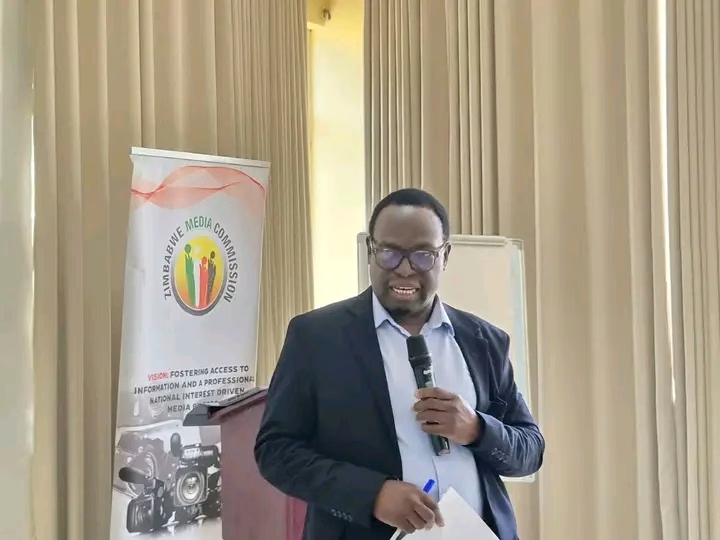
The ZMC’s engagement with journalists on artificial intelligence, verification and media ethics reflects the growing need for continuous professional training. However, training must be matched by newsroom policies that clearly establish responsibility for checking AI-assisted content before publication.
Technology may generate a report, image or recording, but editorial responsibility remains with the publisher.
The Commission’s regulatory role is equally important. Public confidence in media regulation depends on impartiality, consistent enforcement and respect for due process. Allegations of professional misconduct must be assessed on evidence, with affected parties given a fair opportunity to respond.
A regulatory environment perceived as arbitrary risks discouraging legitimate journalism, while failure to address misconduct can erode public confidence in the media. The objective must be to enforce professional standards without compromising editorial independence or restricting lawful public-interest reporting.
Government institutions also have a responsibility to help close the information gaps in which rumours thrive. Timely access to reliable information, clear explanations of public decisions and meaningful responses to legitimate questions can reduce the space available for speculation.
Official communication, however, must itself be accurate and open to scrutiny. Public trust grows when institutions provide verifiable information, acknowledge mistakes and allow their claims to be tested against evidence.
Citizens also need stronger media literacy skills to assess sources, identify manipulated content and distinguish evidence from speculation. Schools, universities, community organisations, newsrooms and digital platforms can all contribute to building a public that is better equipped to navigate an increasingly crowded information space.
The stakes extend beyond journalism. Businesses need reliable information to assess investment opportunities, communities depend on accurate reporting to monitor development programmes, and citizens require credible facts to participate meaningfully in national affairs.
Professional journalism supports these objectives by testing claims, explaining policies and holding institutions accountable. Its contribution is strongest when independence is matched by accuracy and a commitment to the public interest.
For the ZMC, the challenge is to turn its emphasis on ethical conduct into measurable improvements in professional practice and public confidence. Media organisations must prioritise verification over speed, protect editorial independence and address misconduct fairly, while public institutions must recognise that scrutiny is an essential feature of accountable governance.
Zimbabwe’s response to disinformation will ultimately be judged not by the number of warnings issued or penalties imposed, but by whether citizens can access trustworthy information, journalists can report without improper interference and institutions can command confidence through transparency and accountability.
The defence of Zimbabwe’s information space requires more than regulation. It demands ethical journalism, fair enforcement, informed citizens and institutions willing to be scrutinised. Without these foundations, the fight against disinformation risks weakening the very public trust it is meant to protect.