Extraordinary Summit in Pretoria Sets Out Inclusive Roadmap for Stability and Elections
The Southern African Development Community (SADC) has called for an urgent return to peace, constitutional rule, and inclusive governance in Madagascar, following a virtual Extraordinary Summit held in Pretoria and attended by Heads of State and Government, SADC Ministers, and the Executive Secretary of SADC.
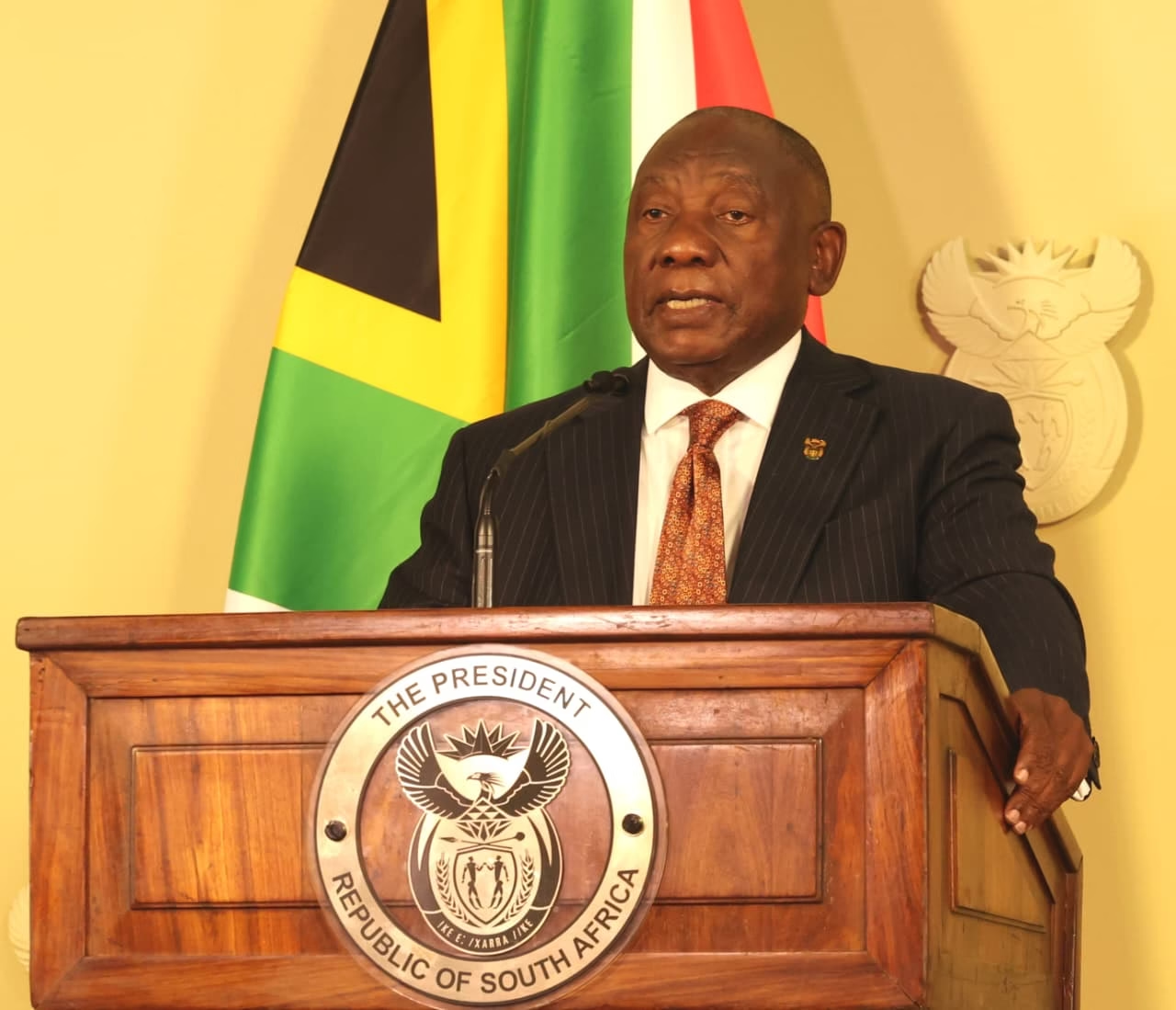
The Summit was Chaired by President Cyril Ramaphosa of South Africa and Chairperson of SADC. The Summit placed Madagascar at the centre of the regional agenda and reaffirmed SADC’s commitment to supporting the Malagasy people through a negotiated, people-led transition.
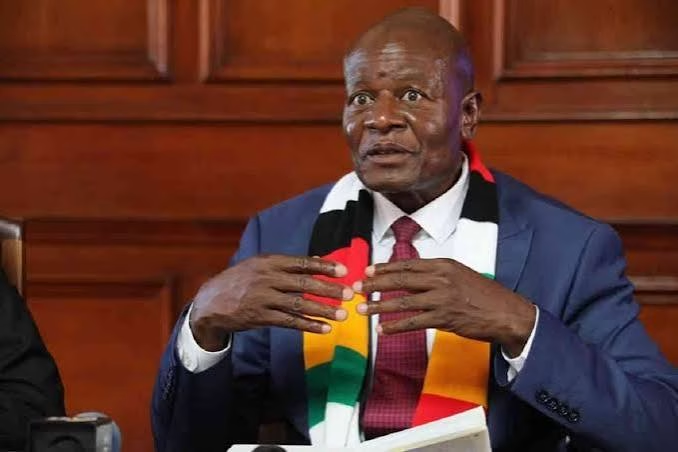
The Summit received and adopted a report from Professor Peter Mutharika, President of Malawi and Chairperson of the SADC Organ on Politics, Defence and Security Cooperation. The report was based on Fact-finding and Diplomatic Missions to Madagascar led by Dr. Joyce Banda, former President of Malawi and member of the SADC Panel of Elders. The Missions assessed the political and security situation through extensive consultations with a broad range of Malagasy stakeholders.
SADC commended the Panel of Elders, the Mediation Reference Group, and former Special Envoy H.E. Dr. Joaquim Chissano, former President of Mozambique, for their mediation efforts and reaffirmed solidarity with Madagascar’s pursuit of peace, stability, and sustainable development.
The Summit issued a clear set of resolutions to guide the transition. It called for inclusive and transparent reforms. The Government of Madagascar, led by Colonel Michael Randrianirina, President of the Refoundation, was urged to implement reforms that are clear, time-bound, transparent, and inclusive of all Malagasy stakeholders. The reforms must be communicated widely in national languages to ensure broad participation and public acceptance.
SADC stressed that reforms must protect constitutional rule and democratic governance. The ultimate objective is to restore constitutional order and deliver a democratically elected government without delaying the will of the Malagasy people. The Summit also emphasized inclusive dialogue, reconciliation, and national consultations during the transition period. It called on the Government, the Council of Christian Churches, and all stakeholders to act in good faith, respect the constitution, and build national consensus.
Turning to human rights and political freedoms, the Summit called for the immediate release of political prisoners, an end to arbitrary arrests of opposition leaders and Generation Z members, and the facilitation of the return of political exiles. SADC committed to strengthening support on the ground, to coordinate and sustain regional support.
The Summit expanded the mandate of the Panel of Elders to cover reconciliation, electoral reform, and preparations for a referendum and general elections. It also approved the establishment of a SADC Liaison Office in Antananarivo.
SADC’s roadmap is anchored on three pillars: dialogue, constitutional legitimacy, and credible elections. With the Liaison Office in place and an expanded Panel of Elders mandate, SADC will provide technical, political, and logistical support to Madagascar through the transition. The focus will be on enabling inclusive consultations, legal and electoral reforms, and a timeline that leads to a referendum and free, fair general elections accepted by all Malagasy citizens.
Regionally, the Summit also noted with concern the Ebola outbreak in Eastern DRC and deteriorating security, reaffirming that peace and health stability are inseparable from SADC’s integration agenda.
SADC reaffirmed its unwavering commitment to peace, security, democracy, good governance, and sustainable development. The message to Madagascar is unified: regional solidarity will back a Malagasy-led process that restores constitutional order and puts the country on a path to lasting peace and prosperity.