As Zimbabwe continues to strengthen conversations around cultural preservation, identity and community development, the upcoming Chikonamombe Day 2026 is emerging as more than just a commemorative gathering, but a strategic platform for reconnecting communities with their roots, traditions and shared values.
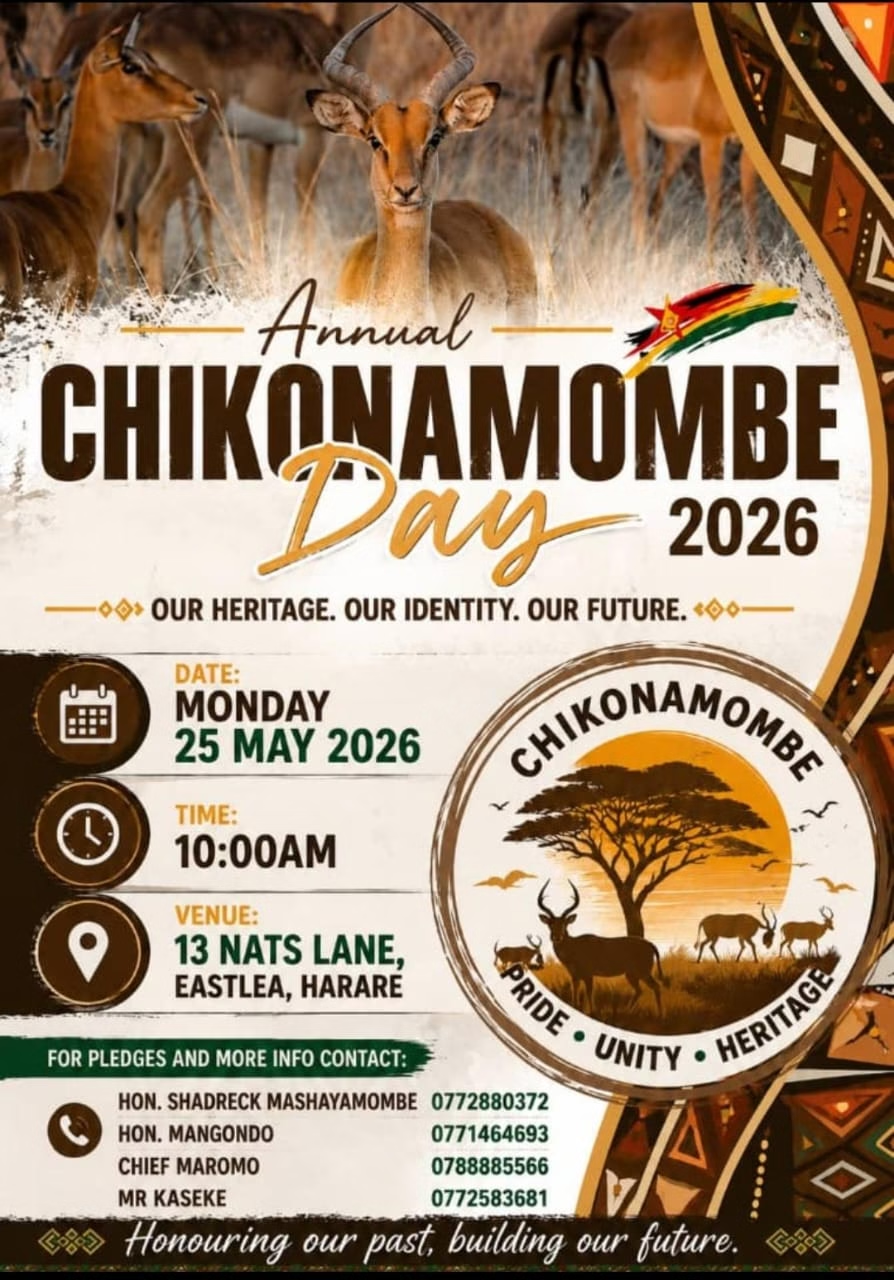
The annual cultural event, scheduled for Monday 25 May 2026 in Eastlea, Harare, is expected to bring together community leaders, cultural custodians, youths, creatives and various stakeholders in a celebration that seeks to preserve heritage while promoting unity and social cohesion.
In an era increasingly shaped by globalization, digital influence and rapid urbanization, cultural events such as Chikonamombe Day are becoming critical spaces for safeguarding indigenous knowledge systems, traditional practices and community memory. Organisers say this year’s edition will place significant emphasis on restoring pride in Zimbabwean cultural identity while creating intergenerational dialogue between elders and the youth.
Zimbabwe has in recent years intensified efforts to protect cultural heritage as part of broader national development aspirations. Heritage preservation is increasingly being viewed not only as a cultural obligation, but also as an economic and social development tool capable of promoting tourism, creative industries and community empowerment.
Analysts note that cultural festivals have evolved beyond entertainment platforms and are now influential drivers of national identity, education and community engagement. Through traditional performances, storytelling, exhibitions and social interaction, communities are able to transfer values, historical experiences and indigenous wisdom to younger generations who are growing up in a modernized environment often detached from traditional systems.
The significance of Chikonamombe Day also comes at a time when African nations are seeking to reclaim and strengthen indigenous narratives. Across the continent, governments and cultural institutions are placing renewed focus on heritage diplomacy, cultural tourism and the revival of traditional knowledge systems as part of sustainable development.
For Zimbabwe, cultural gatherings remain important instruments for promoting peace, social cohesion and national pride. They provide communities with opportunities to reflect on their identity while strengthening social networks that are essential for collective progress. Organisers believe this year’s event will further reinforce the importance of community participation in preserving traditions that define Zimbabwean society.
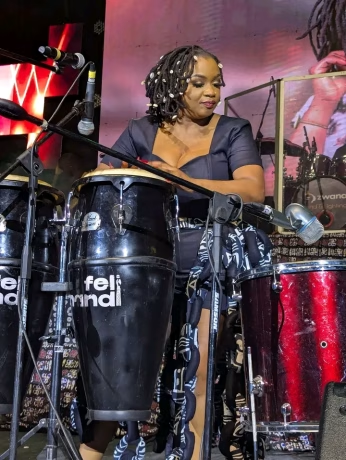
The event is also expected to create opportunities for local artists, performers and cultural practitioners to showcase their talent and contribute to the growing creative economy. Experts have increasingly highlighted the economic value of cultural industries, noting their potential to generate employment, attract investment and stimulate domestic tourism.
Youth participation is anticipated to be one of the major highlights of the event. Stakeholders argue that involving young people in cultural activities is essential in ensuring continuity of traditions and preventing the erosion of indigenous values. In many communities, there are growing concerns that modernization and foreign cultural influence are weakening appreciation for local customs and heritage among younger generations.
Through platforms such as Chikonamombe Day, organisers hope to bridge that gap by creating engaging and educational experiences that make culture relevant to modern audiences. The event is therefore expected to serve both as a celebration and as a learning platform that encourages appreciation of Zimbabwe’s rich cultural diversity.
As preparations gather momentum, expectations continue to rise around what many view as an important cultural calendar event capable of strengthening community bonds and promoting Zimbabwe’s heritage identity in a rapidly changing world.