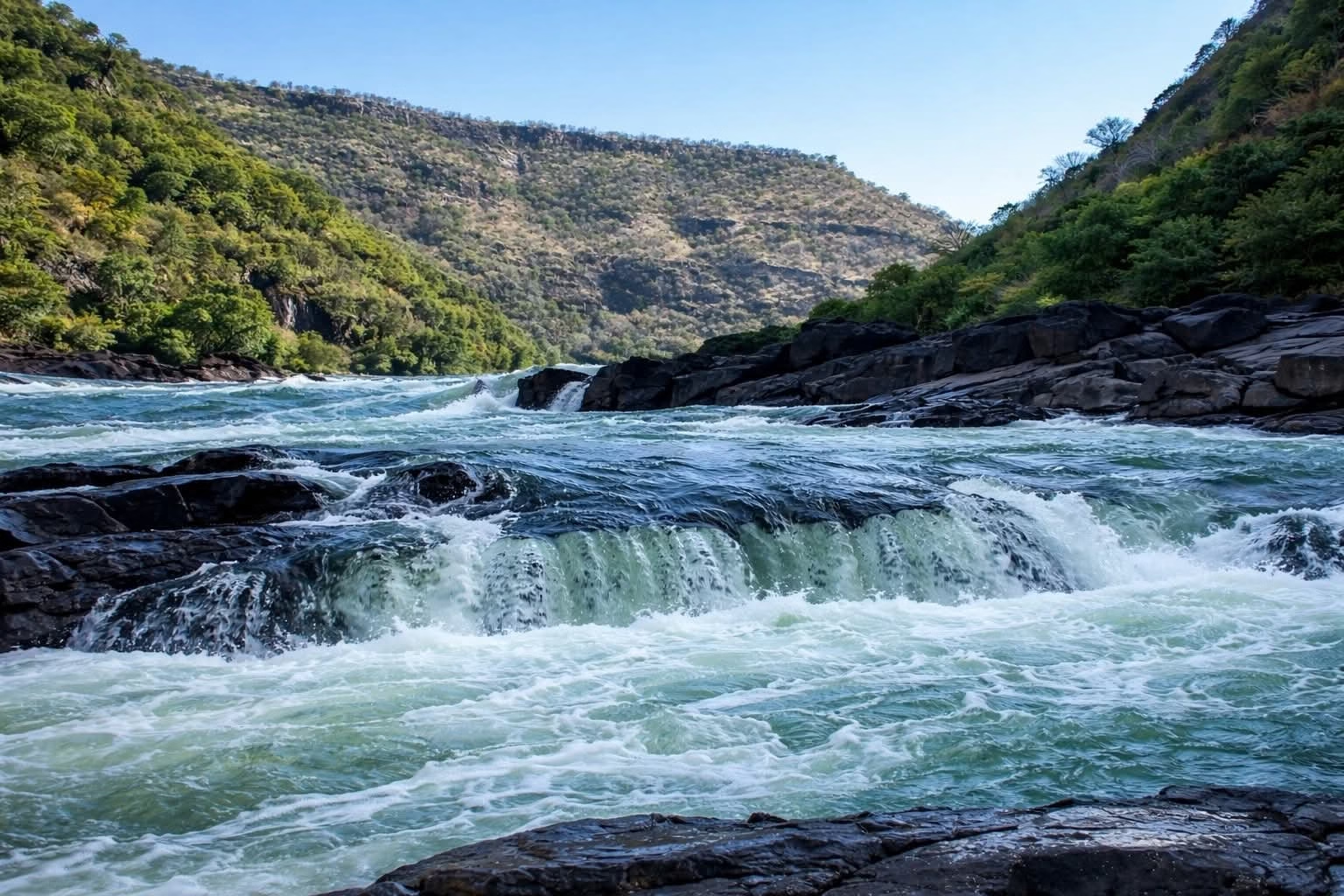
Harare, Zimbabwe – March 2026 – As Easter approaches, Zimbabwe’s tourism sector reflects a broader shift toward experiential travel, where visitors increasingly prioritise destinations that offer not just leisure, but emotional and sensory engagement. Victoria Falls stands at the centre of this transition, leveraging its natural assets to position itself as a premier seasonal destination within the regional and global tourism market.
Anchored by the steady flow of the Zambezi River and the global icon of the Falls, Victoria Falls continues to demonstrate strong demand during peak holiday periods. The destination’s appeal lies not only in its natural beauty, but in its ability to deliver a balanced tourism offering that integrates relaxation, adventure, and cultural immersion, aligning with evolving traveller preferences.
At the core of this offering is the A’Zambezi River Lodge, operated under the Rainbow Tourism Group, which has positioned itself as a key player in delivering curated, high-value tourism experiences. Strategically located along the riverbank, the lodge benefits from direct access to one of the region’s most important ecological and tourism corridors, enhancing its competitive advantage in the hospitality sector.
A key component of this value proposition is the integration of experience-led hospitality. The lodge’s dining and leisure offerings, particularly at Amulonga Restaurant, reflect a deliberate strategy to embed local identity into the tourism experience. This approach aligns with broader industry trends that emphasise authenticity, cultural integration, and environmental context as drivers of customer satisfaction and repeat visitation.
From an economic perspective, the structured Easter programme contributes to revenue diversification within the tourism value chain. The phased daily programming across the weekend, including premium dining experiences, cultural performances, and family-oriented activities, ensures multiple touchpoints for guest expenditure. This model supports both direct revenue streams and indirect economic benefits through linkages with local suppliers, performers, and service providers.
Victoria Falls itself continues to function as a high-impact tourism node within Zimbabwe’s broader economic framework. Beyond its visual and recreational appeal, the destination supports a wide ecosystem of activities ranging from adventure tourism to conservation-based experiences. This diversity is critical in sustaining visitor numbers while promoting longer stays and higher per-capita spending.
Entities such as Heritage Expeditions Africa further strengthen this ecosystem by providing structured logistics and guided experiences. Their role in facilitating seamless transfers, curated tours, and adventure-based activities contributes to the efficiency and accessibility of the destination, which is a key determinant in tourism competitiveness.
From a macroeconomic standpoint, developments such as these reinforce Zimbabwe’s broader tourism strategy, which seeks to position the sector as a key pillar of economic growth, foreign currency generation, and employment creation. The emphasis on quality service delivery, infrastructure development, and product differentiation is consistent with national efforts to enhance Zimbabwe’s global tourism footprint.
In addition, the increasing alignment of tourism offerings with sustainability and experiential value reflects a shift toward long-term sector resilience. By focusing on immersive, nature-based, and culturally rich experiences, destinations like Victoria Falls are not only attracting tourists but also strengthening their relevance in a competitive global tourism market.
Ultimately, Easter by the Zambezi River represents more than a seasonal offering, it illustrates a strategic convergence of natural endowment, hospitality innovation, and economic opportunity, positioning Victoria Falls as a leading destination for both regional and international travellers seeking meaningful, high-quality experiences.