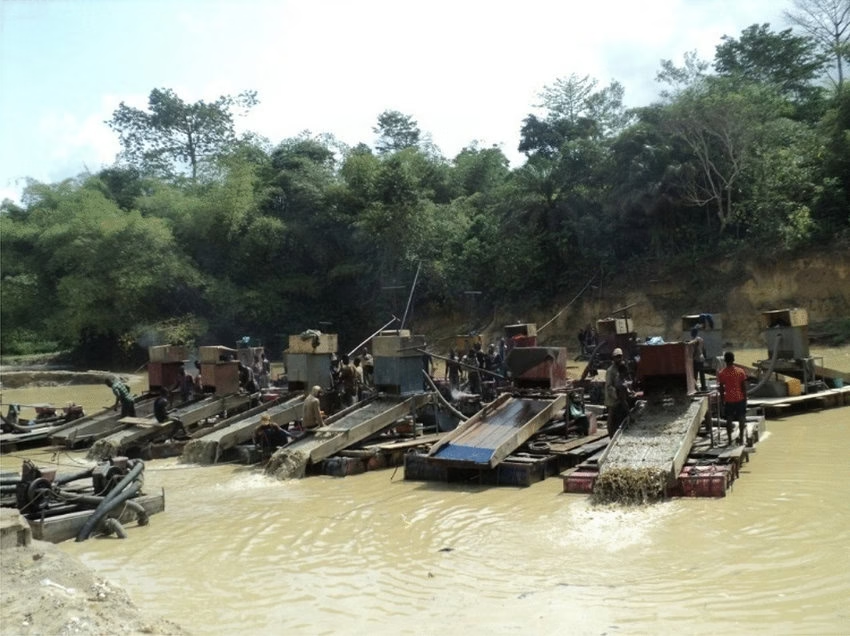
Government has imposed a nationwide ban on alluvial mining and river rehabilitation activities in a decisive move to halt the accelerating destruction of Zimbabwe’s rivers and water sources.
The directive marks a significant tightening of environmental controls, aimed at safeguarding critical water systems, restoring regulatory order, and ending the abuse of permits that have enabled illegal mining under the guise of rehabilitation.
Authorities say unchecked alluvial mining along river systems has caused extensive environmental damage, including severe water pollution, excessive siltation, and the degradation of aquatic ecosystems.
These impacts have had far-reaching consequences, contaminating downstream water supplies and threatening access to clean water for domestic use, agriculture, and industry. The ban is intended to stop further irreversible harm while longer-term corrective measures are put in place.
Government investigations revealed that some river rehabilitation licences issued by local authorities were being exploited by artisanal miners to conduct illegal mining operations. By prohibiting all local authorities from issuing or processing such permits, the new directive closes a critical loophole that had undermined environmental regulation and enforcement efforts.
Under the new framework, control over river-related activities has been centralised at national level, a move authorities say will restore accountability and ensure environmental protection takes precedence over short-term economic gains. Any future consideration of mining or legitimate river rehabilitation will only occur once a clear, transparent, and enforceable national legal framework has been established.
The ban also strengthens enforcement powers. Law enforcement agencies have been authorised to immediately stop prohibited activities and seize equipment used in illegal alluvial mining or unauthorised river rehabilitation.
Government has warned that offenders will face legal consequences as it moves to develop tougher laws anchored on the polluter pays principle, ensuring those who damage the environment are held fully accountable.
Officials say the measures send a clear signal that the protection of Zimbabwe’s natural resources, particularly its rivers and water sources, is a national priority for both present and future generations.