Aldridge Dzvene
China’s decision to remove tariffs on all Zimbabwean products signals a transformative moment for the nation’s trade landscape and industrial ambitions. Announced at the 8th China International Import Expo, this initiative gives Zimbabwean producers direct access to one of the world’s largest consumer markets, removing financial barriers that previously hindered competitiveness. This is not just a trade concession—it’s a strategic opportunity aligned with Zimbabwe’s industrialization and export growth agenda.
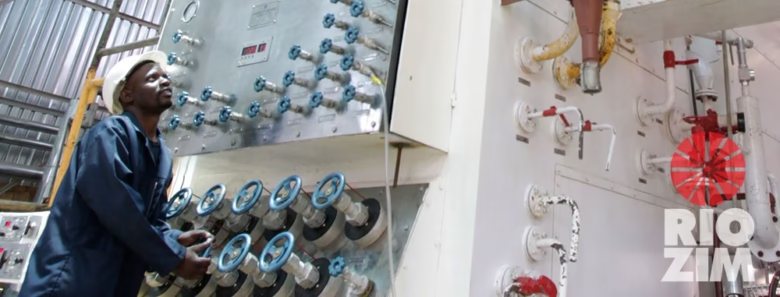
For local businesses, the zero-tariff window creates unprecedented access to China. Key export sectors such as minerals, tobacco, macadamia nuts, and iron/steel products stand to benefit immediately. At the same time, emerging industries like leather manufacturing can scale operations and reach Chinese consumers at more competitive prices. The potential impact includes value addition, increased industrial capacity, and job creation in production and logistics.
Government analysts and trade experts note that the benefits extend beyond immediate export gains. By leveraging this preferential access, Zimbabwe can accelerate local industry development, promote technology transfer, improve product quality, and build more sustainable, globally competitive supply chains. This aligns with Vision 2030, which aims to strengthen the country’s industrial base and integrate Zimbabwean products into international markets.
However, challenges remain. Businesses must meet rigorous quality standards, comply with international certifications, and develop logistics infrastructure to maintain a consistent supply. Without these efforts, duty-free access alone may not boost trade volumes. Strategic investments in packaging, transportation, and processing are critical to ensuring Zimbabwean goods compete globally.
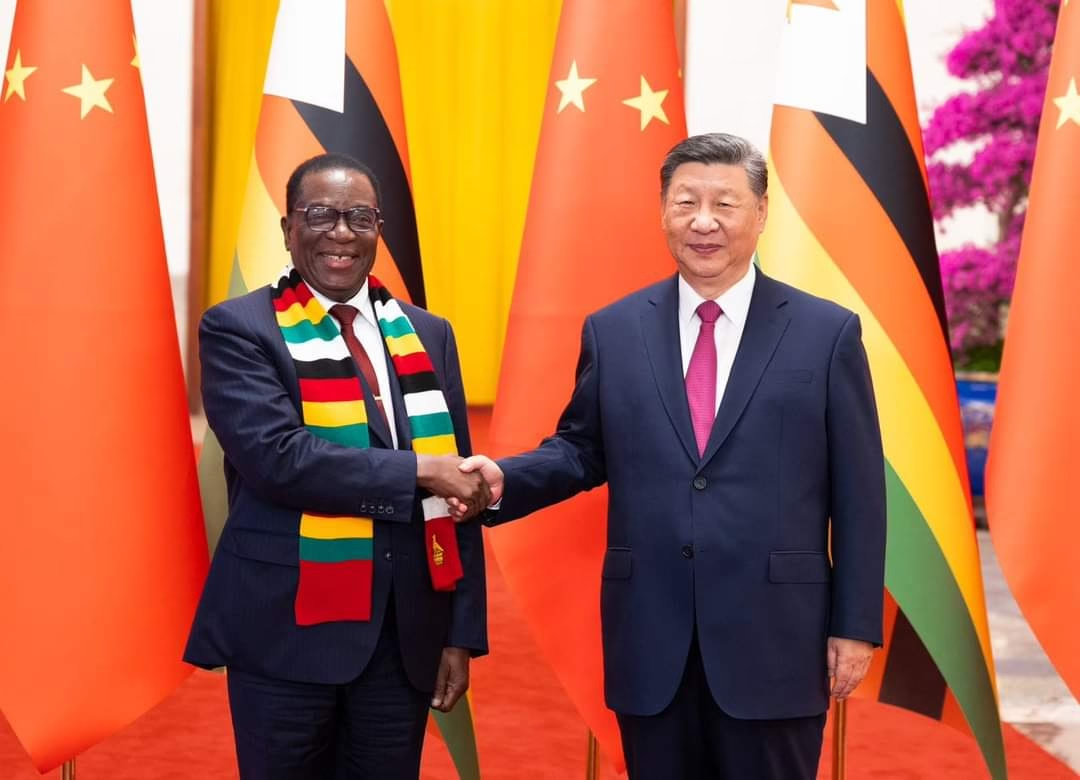
The zero-tariff initiative also strengthens diplomatic and commercial ties with China, positioning Zimbabwe as a trusted trade partner and reinforcing its role in South-South cooperation. It reflects a mutual commitment to growth, prosperity, and regional integration, highlighting China’s support for African industrialization through market access.
This move is both an invitation and a challenge. Zimbabwe must shift from exporting raw commodities to producing value-added goods that meet global demand. Success could mark a pivotal moment in the nation’s economic history, driving industrial growth, creating jobs, and transforming Zimbabwe into a formidable player in international trade.