Mutare, 29 October 2025
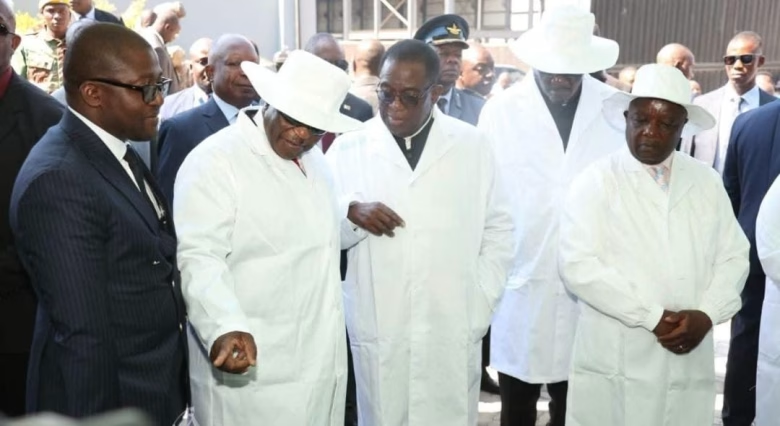
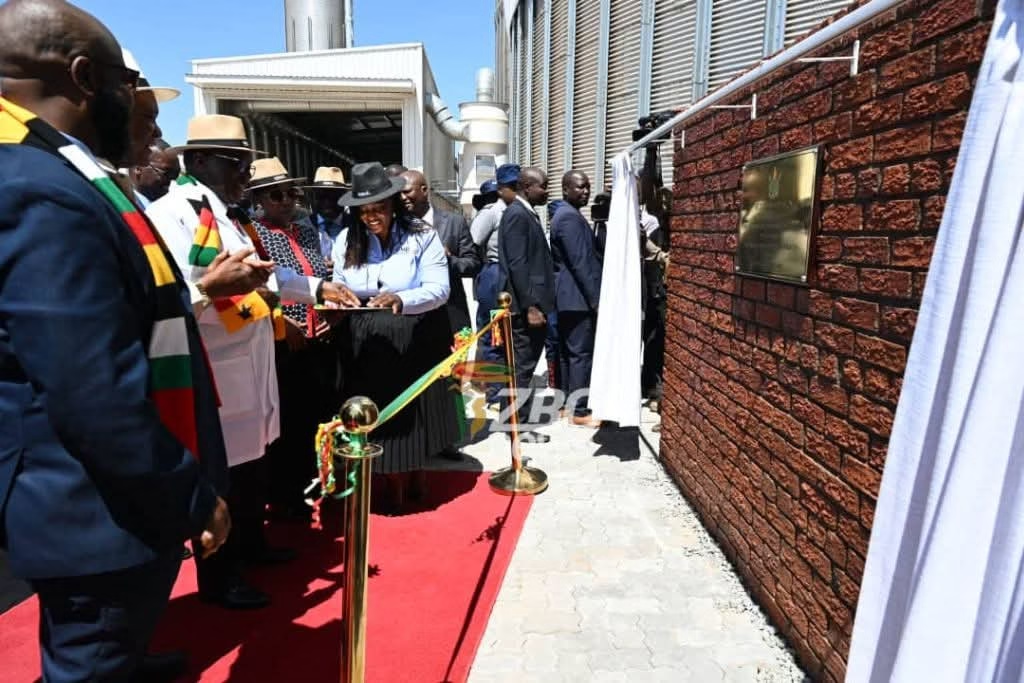
Once celebrated as the breadbasket of Africa, Zimbabwe is steadily reclaiming that legacy through modern agricultural transformation, with President Mnangagwa yesterday commissioning a state of the art Grain Marketing Board silo complex in Mutare, Manicaland Province.
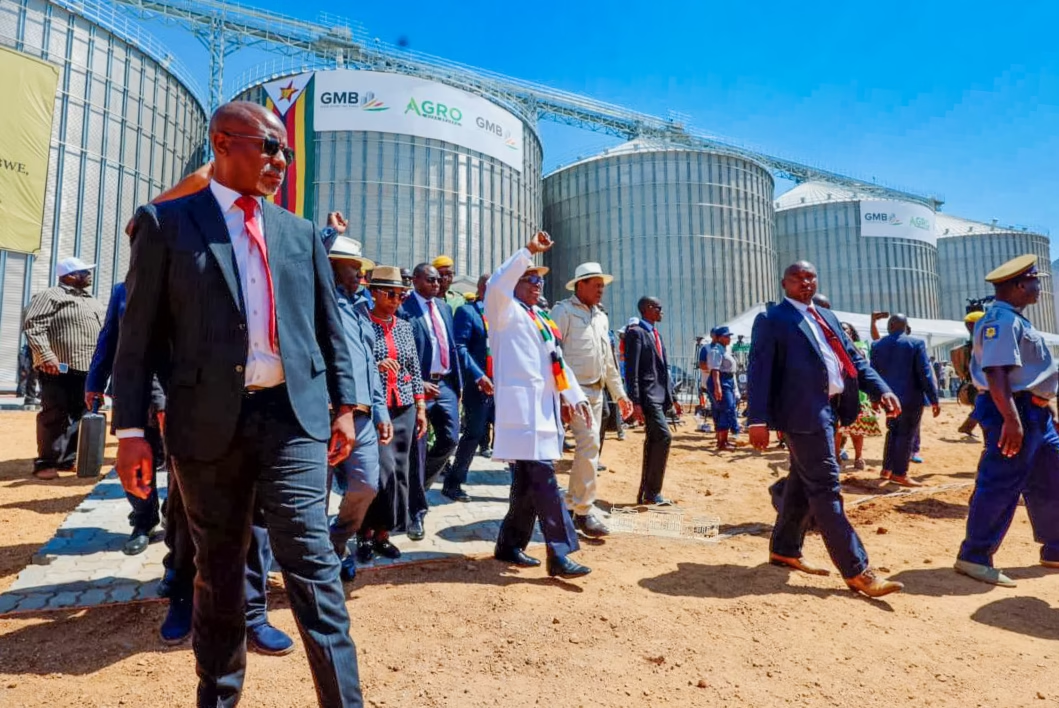
The newly commissioned silos, which have a combined capacity of more than 56,000 metric tonnes, are powered by artificial intelligence systems that optimise grain storage, drying, and distribution. The project is part of Government’s nationwide plan to construct 14 smart silo sites under the Agricultural and Rural Transformation Strategy.
President Mnangagwa said the development marks a turning point in Zimbabwe’s quest to strengthen food security through innovation and technology.
“These silos are not just a structure of steel and concrete, they are a symbol of resilience, technological advancement and our collective commitment to secure the nation’s grain reserves,” he said.
The President added that smart silos will help reduce post harvest losses and ensure that farmers benefit from improved grain handling systems, thereby enhancing national self sufficiency and regional competitiveness.
The Mutare complex is designed to provide real time monitoring and efficient grain management, ensuring that quality is maintained from intake to dispatch. It will also serve as a model for similar facilities being developed across the country.
Agriculture Minister Dr Anxious Masuka said the project demonstrates how technology driven agriculture is central to achieving Vision 2030, which seeks to transform Zimbabwe into an upper middle income economy through industrialisation and innovation.
“Smart agriculture is the future, and these silos reflect the Government’s commitment to modernising our agricultural systems for sustained productivity,” said Dr Masuka.
The commissioning of the Mutare silos came as the city hosts the ZANU PF 22nd National People’s Conference, offering the Government an opportunity to showcase tangible progress in its infrastructure and agricultural modernisation agenda.
By integrating artificial intelligence into grain storage, Zimbabwe is taking a bold step towards restoring its reputation as a regional food powerhouse and reinforcing its journey toward food security and economic resilience.
— Positive Eye News