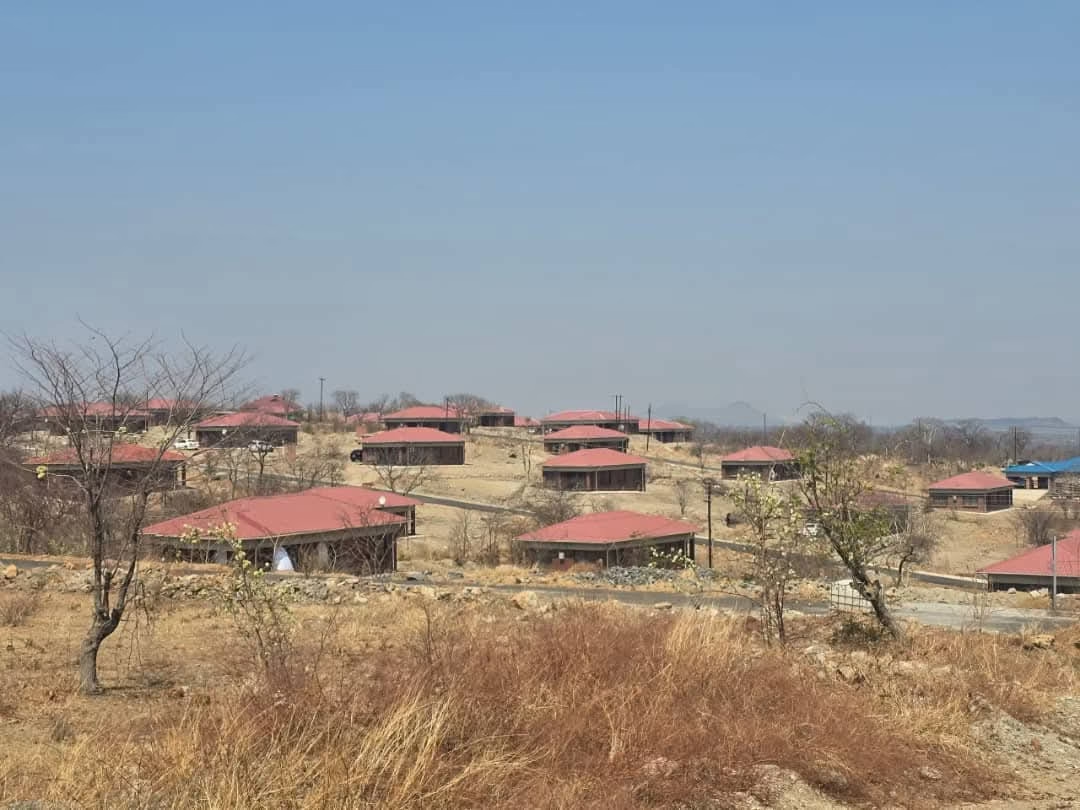
A silent transformation is unfolding in Hwange. Once known almost exclusively as the country’s coal-mining hub, the town is rapidly becoming a case study of how public-private partnerships (PPPs) can reshape the housing sector and deliver tangible results in line with Zimbabwe’s national development agenda.
The surge in construction, which is seeing virgin land serviced with roads, water, and sewer systems, is not simply about bricks and mortar. It reflects a strategic shift where councils are leveraging partnerships to tackle longstanding housing backlogs. Hwange Local Board alone has 17,000 names on its waiting list, and the visible progress has injected optimism among prospective homeowners.
Residents openly acknowledge the shift. For them, each new road graded and each water pipe laid is a symbol of hope. It signals that the promise of home ownership, long delayed, is moving closer to reality.
Industrial expansion has accelerated the trend. The Hwange Power Station Units 7 and 8 Expansion Project has already delivered 170 housing units, demonstrating how large-scale infrastructure developments can leave behind a residential footprint that benefits local communities.
For the Hwange Local Board, PPPs have become the engine of this transformation. “We brought land to the partner, who then funded the servicing of this whole area. It is a win-win situation for both of us,” explained Chief Executive Officer Mr Ndumiso Mdlalose. A partnership with a local bank is also expected to deliver over 600 stands by the end of the year, further reinforcing the model.
Chairperson Councillor Petersen Ncube said the council is deliberately aligning with the national housing vision. “Our approach is what government has been encouraging, local authorities should find partners with deep pockets and create revenue streams while delivering housing for our people.”
Nationally, the government has set an ambitious target of one million housing units by year end, a goal that requires innovation, capital, and speed. Hwange’s model suggests that PPPs could be the most practical path forward, particularly for towns and councils facing tight budgets and escalating demand.
The Hwange story is more than a housing update, it reflects a blueprint for urban growth in Zimbabwe’s emerging towns. It illustrates how partnerships between state, local authorities, and private players can not only deliver homes but also unlock wider economic benefits through job creation, service delivery improvements, and sustainable revenue streams.
If replicated nationwide, the Hwange approach could mark the beginning of a new era in housing delivery, one where backlogs shrink, communities expand, and urban growth is planned rather than chaotic.