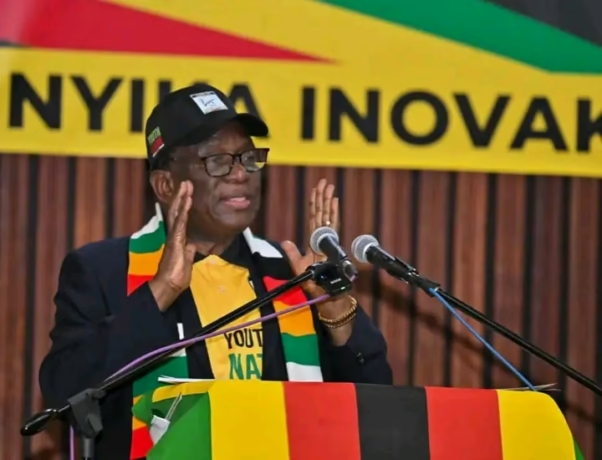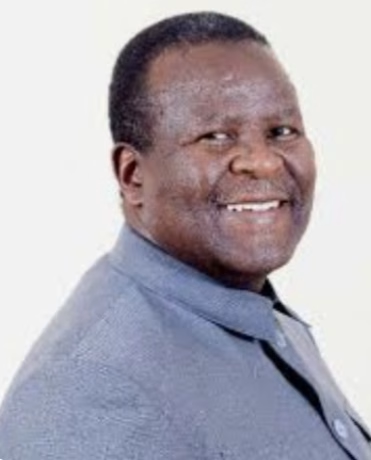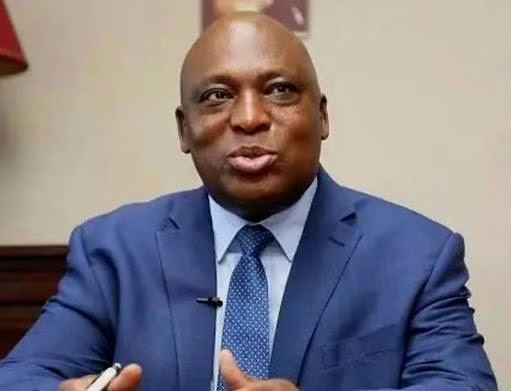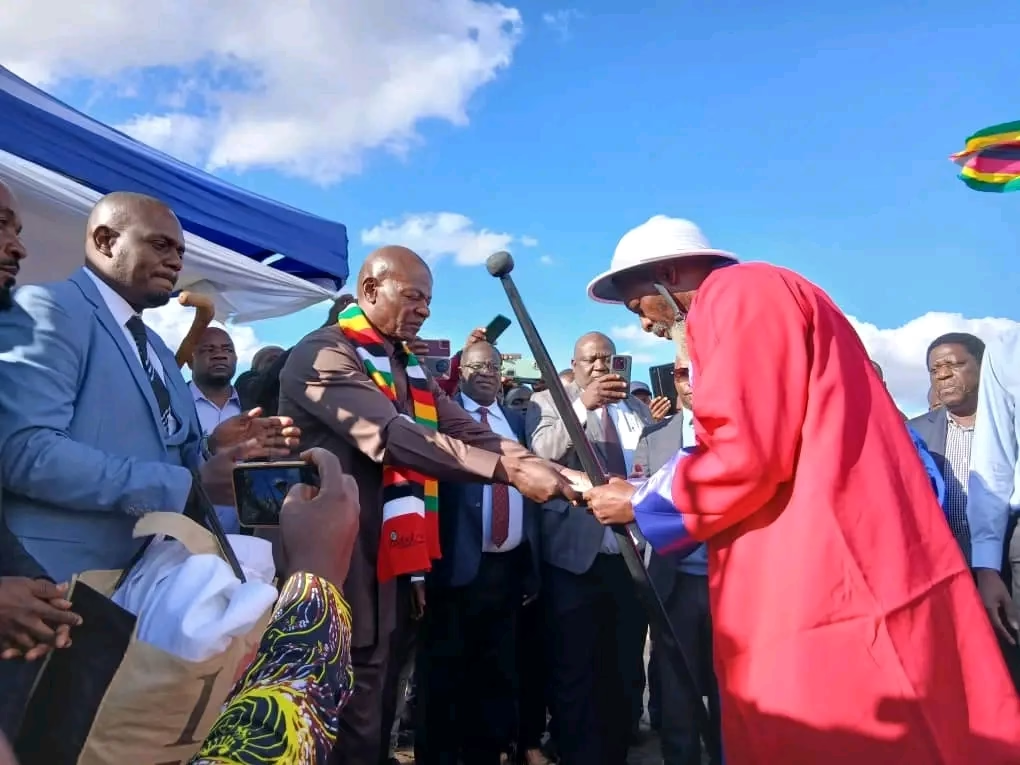
In a symbolic act of historical justice and cultural restoration, the Government of Zimbabwe has taken another decisive step toward rebuilding traditional leadership structures dismantled during colonial rule. The official installation of 58-year-old Jellas Rushwaya as Chief Kareya in Chikomba District this week marked a significant milestone, not only for the Kareya clan but for the broader national agenda to restore dignity, identity, and community governance in rural areas.
Held amid traditional fanfare and ceremony, the event was attended by senior government officials, fellow chiefs, and residents from across Mashonaland East Province. It was more than just a cultural occasion, it was a reaffirmation of Zimbabwe’s post-colonial promise to return what was unjustly taken away. Chief Kareya’s chieftainship was abolished by colonial settlers in 1896, following the resistance of the Kareya people to foreign domination. That injustice, according to government officials, has now been formally corrected.
Minister of Local Government and Public Works, Honourable Daniel Garwe, emphasized the symbolic and developmental importance of the moment. “Today we restore a leadership that was stripped away not by choice or internal dispute, but through colonial repression. The restoration of Chief Kareya is part of a broader policy by government to bring back all such traditional authorities, and we are doing so with full consultation of our communities,” he said.
Echoing the minister’s sentiments, Mashonaland East Minister of State for Provincial Affairs and Devolution, Advocate Itayi Ndudzo, noted that traditional leadership is key to delivering the national development vision. “The addition of Chief Kareya to our traditional leadership matrix strengthens the rural governance system and supports our thrust towards Vision 2030,” he said.
Traditional leaders in attendance were united in welcoming their new colleague, underscoring the stabilizing role that chiefs play in both spiritual and socio-economic development. “As custodians of culture, we safeguard morality, unity and identity,” said Chief Charumbira. “We are excited to have Chief Kareya join us as we implement development programmes across Mashonaland East,” added Chief Nechombo.
Chief Kareya, who belongs to the Johani Masowe Apostolic faith, is married and a father of seven. He becomes only the second substantive chief in the area following the passing of Muchenje Onias Munetsi in 2021.
The re-establishment of chieftainships such as that of Chief Kareya goes beyond ceremony, it is a correction of historical wrongs and a recognition of the indispensable role traditional leaders play in anchoring national identity, social cohesion, and local governance. As Zimbabwe reclaims its indigenous systems while pursuing modern development, such moments blend the country’s past with its aspirations for the future.