The 12th Annual Conference of Speakers of African National and Regional Parliaments has spotlighted the urgent need for Africa to embrace the digital revolution in education and beyond. As the continent grapples with challenges that range from climate change to energy deficits, the theme of this year’s conference, “Educate an African fit for the 21st Century,” underscored a clear message: Africa must prioritize digital literacy and artificial intelligence (AI) as tools for resilience and development.
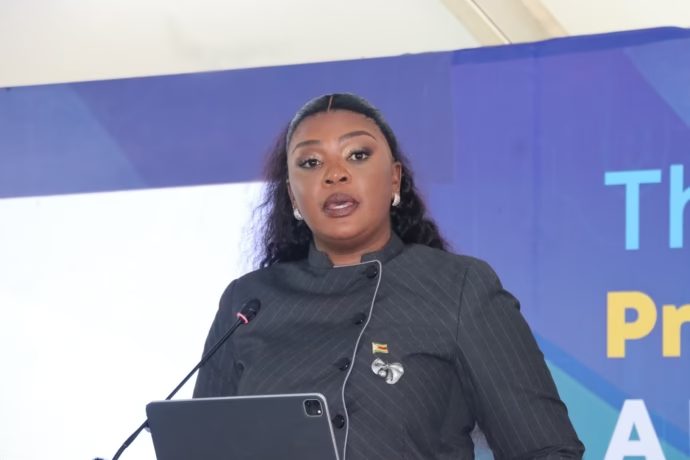
In her address, South Africa’s Deputy Minister of Basic Education, Dr. Makgabo Reginah Mhaule, acknowledged Africa’s strides towards universal access to education but emphasized that much more needs to be done. The continent cannot afford to lag behind in the global shift towards digitalization. Her call for the integration of digital literacy and AI in educational curricula echoes the broader need for Africa to align its workforce with 21st-century demands. This transformation is critical not just for the immediate goal of improving education, but also for positioning Africa to compete in the global digital economy.

Rainbow Hotels — Experience Luxury Across Zimbabwe
Rainbow Hotels continues to redefine hospitality standards in Zimbabwe, offering world-class accommodation, fine dining, and modern conference facilities in Harare, Bulawayo, and Victoria Falls.
Whether for business or leisure, Rainbow Hotels delivers unmatched comfort, exceptional service, and a truly premium guest experience tailored to modern travellers.
Book NowBeyond education, the application of AI in other sectors, particularly in addressing the impacts of climate change, was highlighted by Zimbabwe’s Speaker of Parliament, Hon. Advocate J.F.N. Mudenda. He stressed that Africa must adopt AI-driven Disaster Risk Reduction (DRR) strategies and take cues from nations like Dubai in harnessing hydrocarbons for energy. This innovative approach to energy generation, coupled with carbon sequestration efforts, could help the continent address its energy crisis while staying committed to climate action. Mudenda’s remarks reinforce the need for African tertiary institutions to lead in research and technological innovation, driving the transition towards green economies.
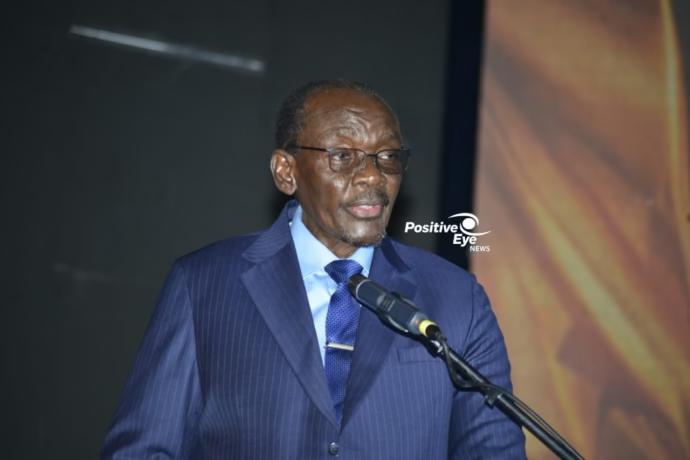
The conference also provided an opportunity for a critical assessment of the African Continental Free Trade Area (AfCFTA) Agreement. Lt. General (Rtd) M.R. Nyambuya, Deputy President of the Senate in Zimbabwe, pointed to Africa’s overreliance on foreign media and international payment systems as a major hurdle to the continent’s economic independence. He argued that AfCFTA presents an unprecedented chance for Africa to take control of its trade narrative, particularly through the development of homegrown Pan-African payment systems. This push towards financial sovereignty is vital for Africa’s broader goal of self-sufficiency and integration.
The conference serves as a critical platform for African legislative leaders to deliberate on solutions to the continent’s shared challenges, including climate change, energy, and economic integration. The emphasis on technology, digital literacy, and innovation is a recognition of the fact that Africa’s future rests not only on its natural resources but also on its ability to adapt to the evolving global landscape. The discussions at the conference highlight a strategic shift towards sustainable solutions, positioning Africa to harness its potential and meet the goals of Agenda 2063.
The call for Africa to take charge of its own development narrative—whether through education reform, technological innovation, or financial independence—is a testament to the growing realization that the continent’s progress lies in its ability to adapt and lead in the digital age. As the conference continues, the key takeaway is clear: Africa must not be left out of the digital revolution. Through collaboration, investment in research, and the integration of digital solutions, the continent can not only address its current challenges but also shape a future of resilience, growth, and prosperity.