…As Zim FDI Jumps by 49 Percent
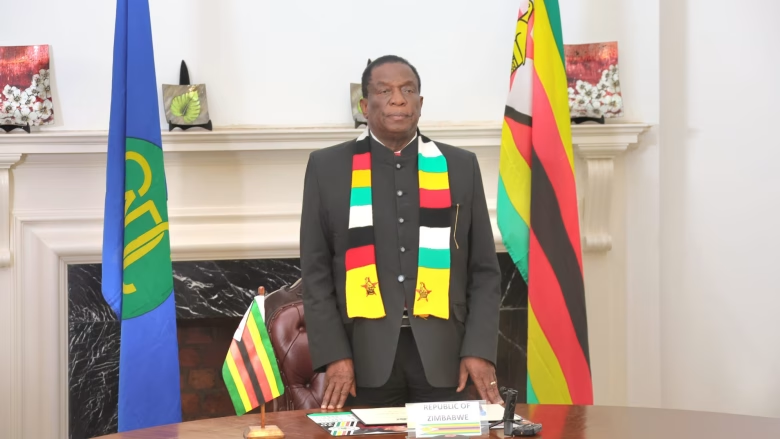
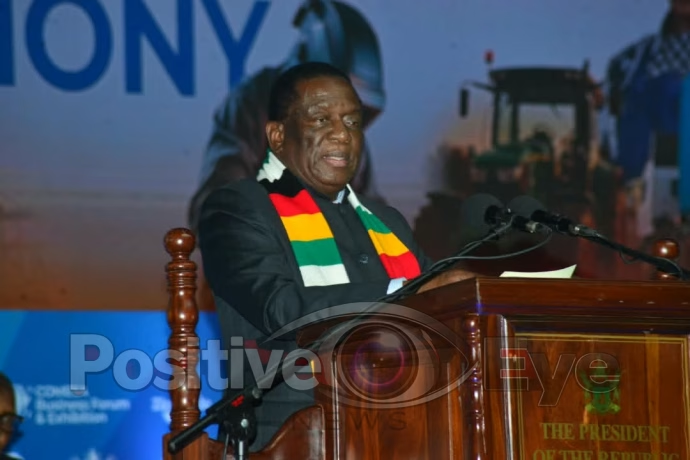
In his 2017 inaugural speech, President Mnangagwa announced that the Second Republic’s Economic Policy would focus on the “Zimbabwe is Open for Business” mantra, anchored partly on agriculture and on creating conditions for an investment-led economic recovery that prioritizes job creation. He emphasized that key decisions would be made to attract Foreign Direct Investment (FDI) through the Ease of Doing Business reforms, addressing high unemployment, and transforming the country’s economy into a tertiary-based economy.
Seven years later, the 2024 World Investment Report by the United Nations Trade and Development (UNCTAD) reveals that Zimbabwe recorded a 49 percent growth in FDI, significantly higher than the Southern Africa region’s 22 percent growth.
President Mnangagwa’s bold economic policies are now bearing fruit. During the period under review, Zimbabwe received US$588 million worth of FDI, the highest in five years and ahead of neighboring countries like Zambia (US$108 million), Malawi (US$208 million), and Botswana (US$198 million).
The growth in FDI heralds a new chapter in job creation, both directly and indirectly, across various sectors such as mining, manufacturing, tourism, and energy. This diversification reduces the economy’s dependence on a single sector. For instance, the giant Manhize Steel Plant is expected to create 25,000 direct jobs.
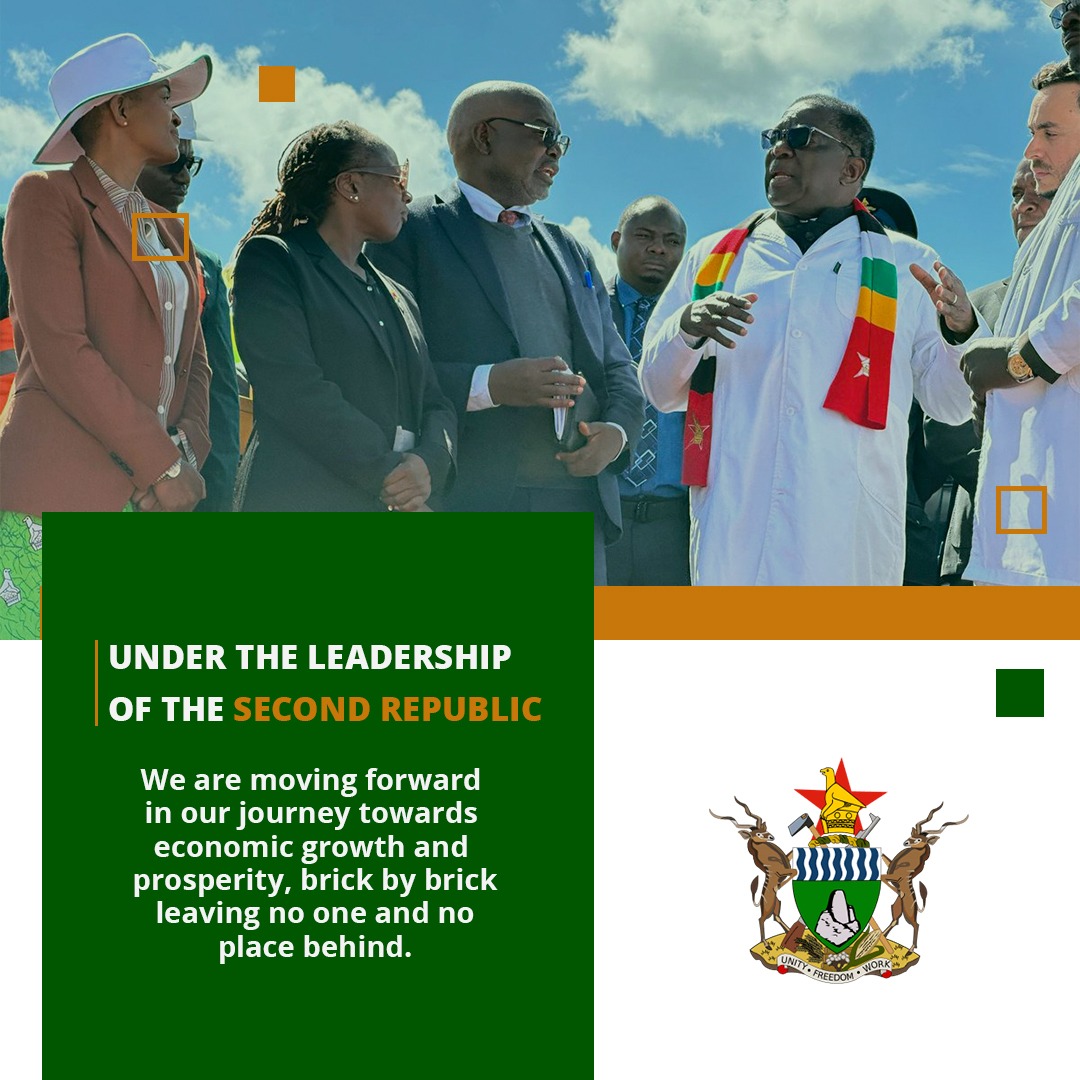
Increased economic activity leads to improved economic growth, resulting in better living standards and reduced poverty. Rural industrialization, a key part of President Mnangagwa’s development plan, is slowing down urban migration and creating employment opportunities for rural communities. Projects like the Marula/Mapfura Processing and Value Addition Plant at Rutenga Growth Point in Mwenezi, Masvingo Province, aim to stimulate socio-economic growth in rural areas.
Similarly, the US$1 million fruit and vegetable processing plant at Tabudirira Vocational Centre in Mutoko empowers local farmers by adding value to their produce and saving on transport and accommodation costs in Harare.
This development also means higher tax revenues for the Government, enabling better public services and infrastructure development. Increased Government revenue allows for more investment in public services and infrastructure. For example, the continued improvement of roads under the Emergency Road Rehabilitation Programme in rural missions and business centers will facilitate business and improve living conditions in rural areas.
In summary, President Mnangagwa is eager to see the total recovery of the economy so that the Second Republic can fulfill its promise to create jobs for the youth and reduce poverty. The increase in FDI is a clear indicator that Zimbabwe, under President Mnangagwa’s astute leadership, is on course to economic prosperity.