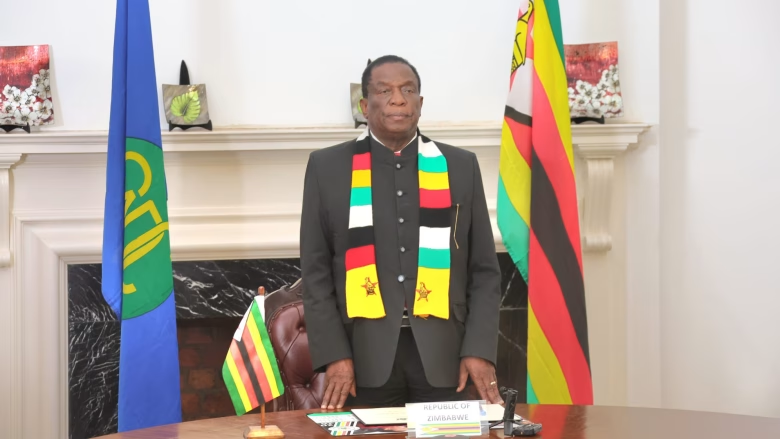
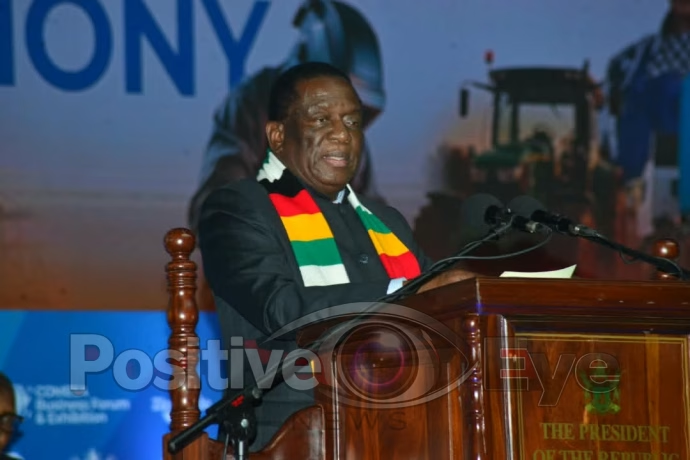
The Southern African Development Community (SADC) Heads of State and Government met to discuss the severe drought and floods caused by El Niño and to develop measures to mitigate its impact.
The summit, held yesterday, highlighted that around 61 million people in Southern Africa have been affected by the El Niño-induced drought and floods. The meeting was chaired by Angolan President João Manuel Gonçalves Lourenço, the current Chairperson of SADC.
Regional leaders, including President Mnangagwa, attended the summit along with representatives from humanitarian organizations such as the United Nations World Food Programme (WFP), Food and Agriculture Organization (FAO), Office for the Coordination of Humanitarian Affairs (OCHA), United Nations Children’s Fund (UNICEF), International Federation of the Red Cross and Red Crescent Societies (IFRC), and Famine Early Warning Systems Network (FEWSNET).
The summit reviewed the climate and weather situation in the region and discussed its effects on socio-economic development and basic commodity prices. Member States were urged to establish systems to monitor the situation and support agricultural stakeholders, including farmers with surplus produce, to help those in need.
SADC members were also tasked with creating coordinated and integrated interventions to address the El Niño impact, which has affected many industries and threatened livelihoods. A regional humanitarian appeal for $5.5 billion was launched to assist affected countries. So far, humanitarian partners have pledged $43 million, with $33 million from OCHA and $10 million from FAO.
Countries like Zimbabwe have declared a state of disaster to boost humanitarian aid following a poor agricultural season. SADC’s call for assistance aims to alleviate the drought’s effects in the region.
The summit also condemned the attempted coup in the Democratic Republic of Congo, supporting the government led by President Félix Antoine Tshisekedi Tshilombo and opposing any unconstitutional changes of government.
Additionally, the late Namibian President Dr. Hage G. Geingob was honored for his contributions to SADC, and the new President of Namibia, Dr. Nangolo Mbumba, was warmly welcomed to the community.
SADC urged member states with surplus cereals to prioritize exports to those with deficits to help address food shortages.