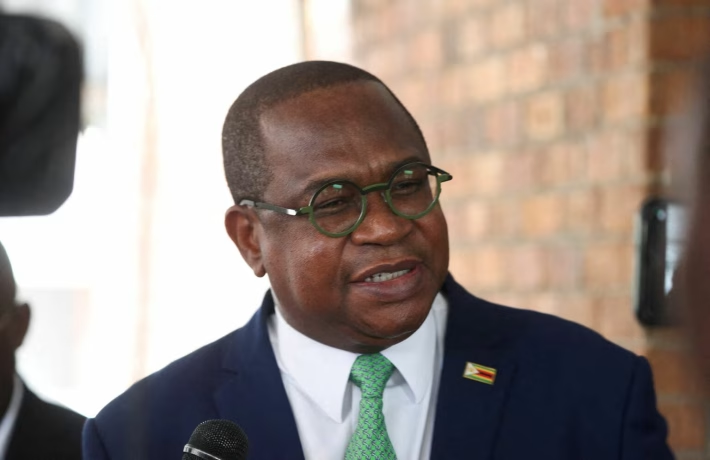
Speaking in the National Assembly on Tuesday while responding to contributions by legislators during a debate on ending gender-based violence, Minister Mutsvangwa was keen to see separate courts set up for sexual offences with in-camera court sessions to protect victims and greater jurisdiction given to regional magistrates for sexual offences so they could pass higher sentences.
SPECIAL courts should be set up to deal with sexual offences to ensure such cases are dealt with expeditiously and ensure protection of victims, Women Affairs, Community and Small and Medium Enterprises Development Minister Monica Mutsvangwa has said.
Speaking in the National Assembly on Tuesday while responding to contributions by legislators during a debate on ending gender-based violence, Minister Mutsvangwa was keen to see separate courts set up for sexual offences with in-camera court sessions to protect victims and greater jurisdiction given to regional magistrates for sexual offences so they could pass higher sentences.
The debate was raised during last year’s annual 16-Days of Activism against gender-based violence.
“Special and separate courts for sexual offences should be created to provide for the protection of victims by having in-camera court sessions and dedicated sexual offense courts to expedite the sentencing of cases.
“My Ministry will continue to work with the Ministry of Justice, Legal and Parliamentary Affairs in ensuring that our laws continue to be reviewed, amended and developed to ensure that deterrent sentencing is exercised in our courts. I will also continue to engage the Minister of Justice, Legal and Parliamentary Affairs regarding specialised courts that handle sexual offences to be in place at all levels.”
Her remarks come at a time when cases of GBV are on the rise, at least partly driven by the greater willingness of victims to report these assaults to the police.
Minister Mutsvangwa thanked President Mnangagwa for the enactment of Statutory Instrument 2 of 2024 using his temporary Presidential Powers to protect children and young persons by harmonising the age of sexual consent and marriage at 18.
She also welcomed recommendations by legislators that GBV be included in the educational curriculum from the pre-school early curriculum development so that as children grow up, they refrain from engaging in GBV.
“Indeed, it is important to have GBV as part of the curriculum so that we make everyone aware of the evils of GBV. By introducing it at that lower level, we are raising awareness among our children as a tool for mindset change. Mr Speaker Sir, it is about our mind.
“So, it is critical that it is introduced at that lower level among our young people that GBV is evil. It is detrimental to economic development.
“The Ministry of Primary and Secondary Education is mainstreaming gender-based issues in the current curriculum. However, they would be better placed to avail those finer details on the areas they are covering and as a Ministry, we will be working with them,” said Minister Mutsvangwa.
Herald