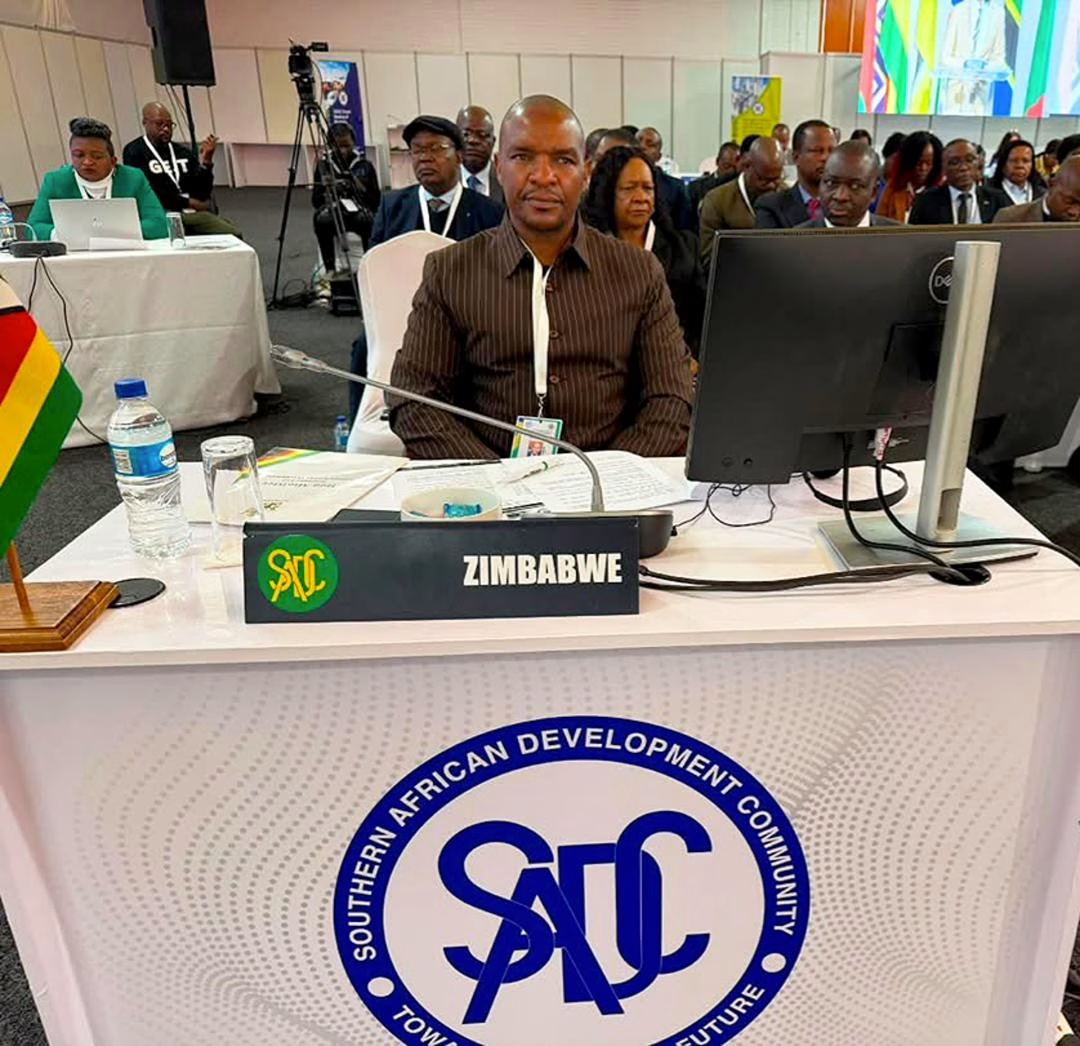
HARARE – Zimbabwe has reaffirmed its commitment to harnessing artificial intelligence (AI), integrated transport systems and climate-resilient infrastructure as key drivers of regional integration and economic growth, with the Minister of Transport and Infrastructural Development, Hon. Felix Mhona, calling for accelerated investment in modern transport networks.
Speaking during a high-level regional meeting of SADC Ministers responsible for Transport, ICT, Information and Meteorology, Hon. Mhona joined regional counterparts in advocating for stronger collaboration to modernise transport corridors, strengthen digital infrastructure and build climate-resilient systems capable of supporting trade and development across Southern Africa.

Rainbow Hotels — Experience Luxury Across Zimbabwe
Rainbow Hotels continues to redefine hospitality standards in Zimbabwe, offering world-class accommodation, fine dining, and modern conference facilities in Harare, Bulawayo, and Victoria Falls.
Whether for business or leisure, Rainbow Hotels delivers unmatched comfort, exceptional service, and a truly premium guest experience tailored to modern travellers.
Book NowThe meeting recognised that efficient transport systems remain fundamental to regional economic integration, facilitating the movement of goods, services and people while improving the competitiveness of member states.
Hon. Mhona noted that integrated transport networks have the potential to significantly reduce transit times, lower logistics costs and enhance Zimbabwe’s strategic position as a regional transport and logistics hub. Improved connectivity, he said, is essential for unlocking trade opportunities and supporting industrial growth within the SADC region.
A notable feature of the discussions was the growing emphasis on artificial intelligence and digital technologies. AI is increasingly being recognised as an important tool for infrastructure planning, traffic management, predictive maintenance and the design of transport systems capable of adapting to changing environmental conditions.
The Minister also highlighted the importance of incorporating climate data into infrastructure planning, noting that roads, bridges and rail networks must increasingly be designed to withstand floods, droughts and other extreme weather events that have become more frequent across the region.
Climate resilience has emerged as a major policy priority for Southern African countries as recurring climate-related disasters continue to damage transport infrastructure, disrupt supply chains and increase the cost of regional trade.
To address these challenges, Ministers collectively called for increased investment in digital infrastructure, artificial intelligence research and climate-proof transport systems. They also appealed to development partners to support infrastructure modernisation initiatives aimed at strengthening regional connectivity and economic resilience.
The meeting reflects SADC’s broader commitment to developing integrated transport and digital networks that support the objectives of regional industrialisation, trade facilitation and sustainable development.
For Zimbabwe, the discussions align with ongoing efforts to modernise national infrastructure under Vision 2030 while positioning the country as a key transit and logistics gateway for Southern Africa. By embracing emerging technologies and climate-smart infrastructure, the country seeks to build transport systems that are more efficient, resilient and capable of supporting long-term economic transformation.
As regional economies become increasingly interconnected, investments in smart transport systems, digital innovation and resilient infrastructure are expected to play a critical role in driving inclusive growth and enhancing Southern Africa’s competitiveness in the global economy.