‘Zim committed to protection of heritage sites’

ZIMBABWE is committed to enhancing its capacity to protect its World Heritage Sites from climate change and ensure their integrity is secure from the harmful effects of the global phenomenon, a senior official has said.

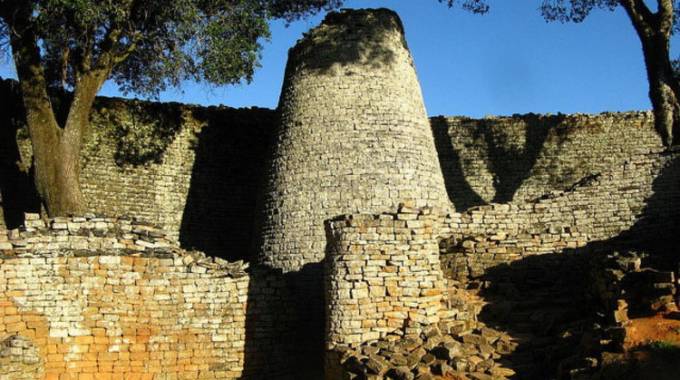
There are five World Heritage Sites in Zimbabwe: Victoria Falls, Mana Pools, Great Zimbabwe Monument, Khami Ruins and Matobo National Park.

Sponsor Logo

Rainbow Hotels — Experience Luxury Across Zimbabwe

Rainbow Hotels continues to redefine hospitality standards in Zimbabwe, offering world-class accommodation, fine dining, and modern conference facilities in Harare, Bulawayo, and Victoria Falls.

Whether for business or leisure, Rainbow Hotels delivers unmatched comfort, exceptional service, and a truly premium guest experience tailored to modern travellers.

Book Now
Sponsored Content

Speaking during the ongoing 42nd UNESCO General Council meeting here, Zimbabwe Parks and Wildlife Management Authority director of scientific services Professor Edson Gandiwa said: “There is mounting evidence that climate change is affecting world heritage sites and in Zimbabwe, both natural and cultural sites are affected.

“Extreme weather conditions such as droughts and floods, human-wildlife conflicts, invasive species, erosion and siltation have the potential to affect the integrity of heritage sites.”

Zimbabwe, he said, “was committed to enhance the management capacity of our World Heritage Sites and effectively design appropriate adaptation measures to manage climate change impacts”.

To mitigate the effects of climate change, Prof Gandiwa said the country has updated and reviewed its national framework and management plans.

He said the country has also enhanced its research capacity to explore and understand the “interlinkages between climate adaptation, vulnerability assessment of the Outstanding Universal Value of our world heritage sites”.

He said without significant intervention, part of the country’s important heritage may be lost to the effects of climate change. In recent years, wildlife in some national parks have starved to death owing to water and forage shortages.

Droughts have also led to increased human-wildlife conflicts, as wild animals move into human communities in search of water and food.

Last year, more than 60 people were killed by wild animals, while hundreds were injured countrywide.

Sunday Mail

News

President Duma Gideon Boko to Officially Open ZITF 2026 as Zimbabwe Records Strong Exhibitor Uptake

Zimbabwe is intensifying preparations for the 66th edition of the Zimbabwe International Trade Fair, with Cabinet confirming strong progress and rising participation ahead of the flagship trade and investment showcase set for 20 to 25 April 2026. The update, presented by the Minister of Industry and Commerce, highlights growing confidence in the country’s premier business […]

Read More
News

ZiG Notes Enter Circulation as ATMs in Harare Begin Dispensing New Currency

The rollout of Zimbabwe’s upgraded Zimbabwe Gold currency has moved from policy to practice, with Automated Teller Machines in Harare now dispensing the new ZiG notes, marking a critical step in embedding the currency into everyday economic activity. Following their official introduction this week, customers at several banking institutions, including branches in Borrowdale, are now […]

Read More
News

Zimbabwe Moves to Translate APRM Findings into Action as Four Day NPoA Workshop Gets Underway

Zimbabwe has taken a significant step towards strengthening governance and accelerating development reforms, as the African Peer Review Mechanism convenes a four day technical workshop focused on crafting the country’s National Programme of Action. The workshop is designed to transform findings from Zimbabwe’s Targeted Review Report into tangible, impactful and sustainable interventions that directly advance […]

Read More