Decentralization of e-passport in Masvingo Commences

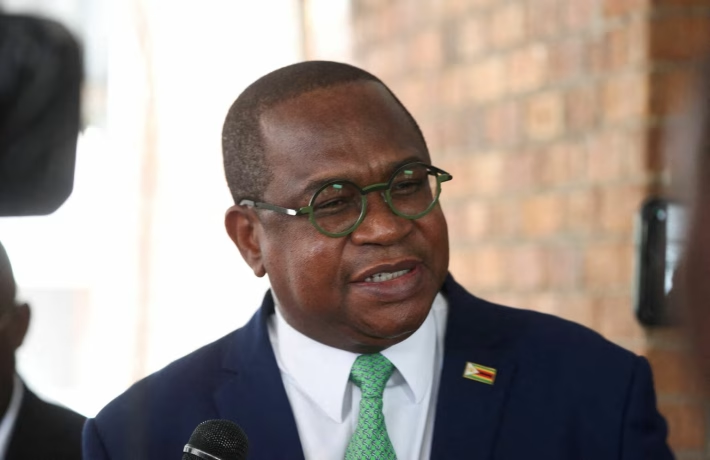
Minister of Home Affairs and Cultural Heritage Kazembe Kazembe

THE Government has taken significant strides in improving passport acquisition by decentralizing e-passport services in Mwenezi District, Masvingo Province.

E-passports are also being issued in other provinces and districts including Harare, Bulawayo, Gwanda, Gweru, Lupane, Marondera, Beitbridge, Chitungwiza, Hwange, Mazowe, Murehwa, and Zvishavane.

Briefing Cabinet on 7 November, the Minister of Home Affairs and Cultural Heritage Kazembe Kazembe said the move aims to make passport services more accessible and convenient for Zimbabweans, aligning with the Government’s goal of digitising the economy and enhancing border security.

Listing updates on various projects under his purview during the 3rd 100-day cycle of 2023 Minister Kazembe said: “These include preliminary engagements for the establishment of Community Archives in the former Mashonaland Central Protected Villages, the nearing completion of the Harava waiting Mothers’ shelter in Zaka District, and the advanced stage of construction for the ZRP Dotito station in Mashonaland Central Province.”

The achievements, he said, reflect the Government’s commitment to addressing citizen needs through improved infrastructure and expanded services.

Chronicle

President Mnangagwa
News

President Mnangagwa Appoints Nine New Ambassadors to Strengthen Zimbabwe’s Global Diplomacy

President Emmerson Dambudzo Mnangagwa has appointed nine ambassadors to represent Zimbabwe in key countries across Africa, Europe and Asia, in a move aimed at strengthening the country’s diplomatic presence and advancing its foreign policy and economic interests. The appointments, gazetted on 18 November 2026, were made in terms of the Constitution of Zimbabwe and cover […]

Read More
News

ZIMBABWE MOVES TO REGULATE ARTIFICIAL INTELLIGENCE AS NATIONAL DIGITAL ECONOMY TAKES SHAPE

By Aldridge Dzvene Zimbabwe’s approval of the National Artificial Intelligence Charter marks an important shift in the country’s digital transformation agenda, moving artificial intelligence from a strategic ambition towards a structured governance framework that seeks to balance technological innovation, economic development and public accountability. The Charter, approved by Cabinet on 17 November 2026 and presented […]

Read More
News

PARLIAMENT TURNS TO LUPANE STATE UNIVERSITY FOR CAPACITY BUILDING

By Aldridge Dzvene The Parliament of Zimbabwe is moving to strengthen the technical capacity of the legislature through a strategic academic partnership with Lupane State University, an arrangement that places higher education at the centre of efforts to improve parliamentary research, legislative scrutiny and institutional performance. The Memorandum of Understanding, signed at the New Parliament […]

Read More