

GOVERNMENT has unveiled a contingency plan to deal with weather-related calamities as it activates the national disaster response mechanism to ensure effective protection of citizens and animals while reducing potential adverse impacts on the economy.
October marks the official start of the rainy season in the country and early last week most parts of the country experienced violent storms, which led to the destruction of property and loss of life.

Rainbow Hotels — Experience Luxury Across Zimbabwe
Rainbow Hotels continues to redefine hospitality standards in Zimbabwe, offering world-class accommodation, fine dining, and modern conference facilities in Harare, Bulawayo, and Victoria Falls.
Whether for business or leisure, Rainbow Hotels delivers unmatched comfort, exceptional service, and a truly premium guest experience tailored to modern travellers.
Book NowSome families were left homeless after the rains destroyed their homes.
The Meteorological Service Department (MSD) has projected normal to below-normal rainfall due to El Nino weather effects that is projected to cripple the entire southern Africa. While low rainfalls are expected, floods and even cyclones are not ruled out.
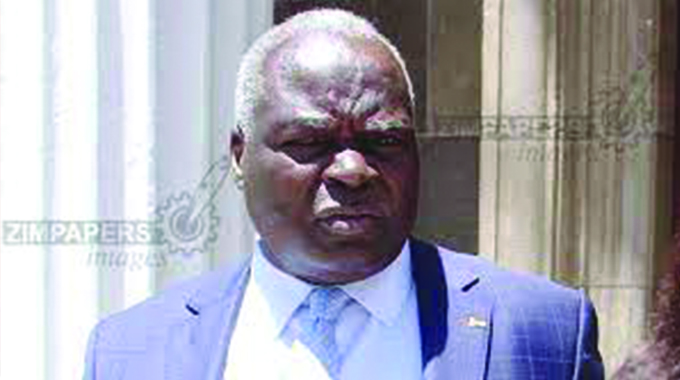
Public Service, Labour, and Social Welfare Minister, Cde July Moyo, said the Civil Protection Unit (CPU) has activated a contingency plan to deal with weather-related issues, as he assured the nation that adequate safety measures had been put in place.
“We have a contingency plan, which is drawn and led by the Civil Protection Unit in the Ministry of Local Government. Every year, they make sure that by September, they plan in terms of how to deal with climate change-induced disasters, which can be in two parts, either floods or drought,” he said.
Meteorological Services Department
“This can spread to not just people but also affect animals and other economic sectors of this country.”
The minister said the contingency plan has several components including ensuring that lives are not lost during the disasters.
“If people survive a storm or a disaster like what we have had, then the issue of properties can be addressed in several ways. For the houses that are destroyed, there is a quick reaction that can be done by either the Civil Protection Unit or the Department of Social Welfare to provide tents,” said Cde Moyo.
“Right now, those two organisations are already working so that we can see whether we can provide tents. The tents are not made in Zimbabwe, so normally the Civil Protection Unit is empowered to work with donor agencies that are part of the civil protection system of this country.”

Cde Moyo, who was responding to questions by legislators in Parliament who sought clarity on how the Government was dealing with rain-related disasters after last week’s violent storms, said the country’s disaster response takes into cognisance all the governance structures from traditional leadership up to national leaders.
He said while the Government has activated the national response mechanism, some of the disasters require more funds to be addressed especially when it comes to social amenities.
“Some of the corrections need bigger investments and quite large amounts of money, which need a bit of time but this is what we desire as the Government to look at such issues,” said Cde Moyo.
“As members of Parliament, let us assist our people as soon as possible, schools need to be attended to promptly. When we think of what should be done in schools, then in some cases, we need to provide tents while we are rebuilding the schools.”
For instance, after Cyclone Idai struck Chimanimani, Cde Moyo said the country had some learning and living tents during that transitional period while the Government and its partners were working on restoring livelihoods.
Chronicle


