STAKEHOLDERS in the media fraternity are consulting on coming up with a common and enforceable plan to end sexual harassment across the industry.
The stakeholders yesterday met at a workshop in Harare to validate the draft policy on sexual harassment in the industry. Most media houses already have policies in place, but enforcement levels vary, and in any case there is a desire for a common policy binding on all in the media industry.
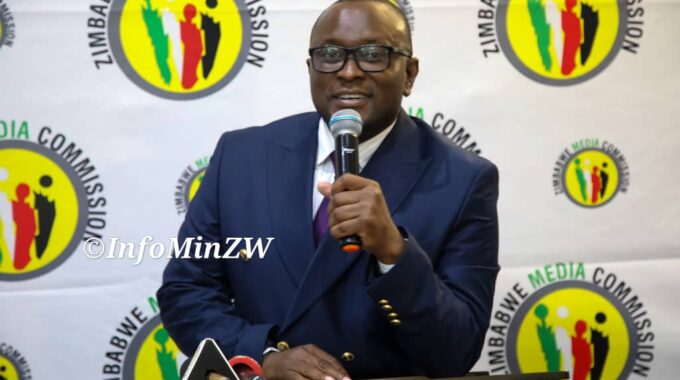
The Minister of Information, Publicity and Broadcasting Services, Dr Jenfan Muswere, attended the workshop which was co-hosted by the Zimbabwe Media Commission and Women in News (WANIFRA).
A draft Zimbabwe media sector sexual harassment policy is expected to reach all provinces for more submissions so that the document reflects the aspirations of stakeholders.
The document is expected to provide a safer ground for media practitioners whatever their gender.
In his remarks while officially opening the workshop, Dr Muswere said the draft policy on sexual harassment was vital as the vice was inhibiting the development of the media industry.
“As the media industry and also as Government, our policy is to get rid of sexual harassment issues because they impede growth in the media industry.
“Of importance is the stakeholder approach that has been taken by WANIFRA and Zimbabwe Media Commission to bring together journalists, executives, engineers and the civil society together to be able to develop a sexual harassment policy that will take care of all the challenges that we currently have across all media houses”.
Dr Muswere said Government was embracing the fight against sexual harassment to catapult it to higher standards.
“As Government, we believe that we do not have a monopoly of knowledge and this is precisely why we participate in this important sexual harassment validation war.
“In light of this, it is of paramount importance that as we develop the sexual harassment policy that will take care of all the shortcomings that we have in terms of the gender challenges in all the newsrooms and all the media houses across the country, it is very critical that we redefine what is sexual harassment,” he said.
The data that would be collected would provide an opportunity to end the challenges associated with sexual harassment. The Minister said the vice needed to be redefined through getting perspectives from males who were also victims of the vice.
Dr Muswere said the draft policy should be aligned to the existing laws that regulate the labour processes.
“I also want to understand the men’s perspective to grasp whether there are also challenges. So how do we redefine what is sexual harassment in the workplace?”
“There is a thin line between what falls under the labour legislation and what is criminal, and are we going to put in place the parameters and the boundaries.
“This will note also how we are going to come up with the internal and external mechanisms in order to cap and liquidate sexual harassment.”
Dr Muswere said those indulging in the vice were destroying their dignity as well as discrediting the news organisations they worked for.
“Sexual harassment is a challenge in terms of our President, Dr. ED Mnangagwa’s vision for us to be able to build and develop an upper middle income society by the year 2030. We are going to be able to do that in terms of human capital interaction in the newsrooms,” he said.
“Sexual harassment destroys the dignity of people in the industry, destroys the dignity and integrity of journalists and that of other executives in newsrooms.
“The initiative is going to assist us as Government to be able to come up with a watertight, sustainable, forward looking sexual harassment policy that is going to liquidate all those negative aspects in the newsrooms”.
Speaking on the sidelines of the draft launch, ZMC chairperson Professor Ruby Magosvongwe said the consultative process was vital to come up with an informed policy which reflects the views of the stakeholders.
She re-affirmed the need to deal with sexual harassment which had inhibited the growth of the industry.
“It’s part of a consultative process. We cannot just gather without anything in our hands because that would make the thing so chaotic.
“So we came up with this draft and we are using it as an entry point to get ideas and views from the people in the media industry. It’s not only women who have been sexually abused.
“It’s a very complex and deep-rooted issue that has been in the industry for years but then we cannot just let things be. We need to come together, put our ideas together so that we can fix our house together”.
Chronicle