ZIMBABWE’S month-on-month inflation rate increased by 58,8 percentage points to settle at 74,5 percent from 15,7 percent in May, figures from Zimbabwe National Statistics Agency (ZimStats) have revealed.
In a report released yesterday, Zimstat said this means that prices as measured by all items Consumer Price Index (CPI) increased by an average of 74,5 percent.
“The month-on-month food and non-alcoholic beverages inflation rate was at 104,2 percent in June 2023, gaining 78,3 percentage points on the May 2023 rate of 25,9 percent.
“The month-on-month non-food inflation rate was 49,5 percent, gaining 41,1 percentage points on the May 2023 rate of 8,4 percent,” said ZimStat director general, Mr Taguma Mahonde while presenting the figures.
The spike in the inflation rate has been attributed to the widening exchange rate disparity between the United States dollar and local currency where businesses are charging higher premiums due to the prevailing speculation-induced market volatility.
Economic analysts have said that uncertainty was stemming from the fact that the market believes in the US dollar as the only currency that will protect their assets and be able to conduct meaningful transactions.
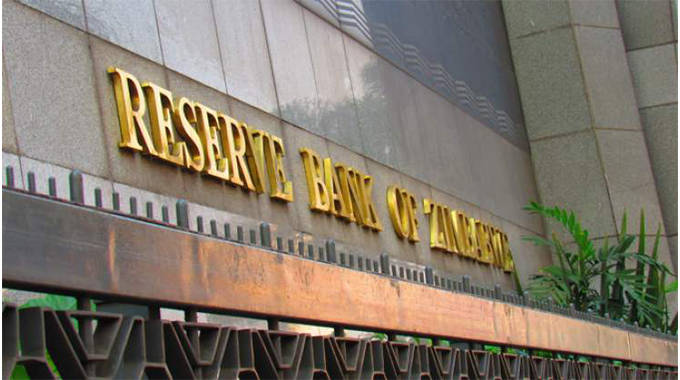
According to the updates from the Reserve Bank of Zimbabwe (RBZ) from the forex auction system held on 30 May 2023 the official exchange rate was at US$1:ZW$2 577, and last week’s auction the official rate had risen to US$1:ZW$6 926, which is about 168,8 percentage increase.
To address the situation, the Government has introduced a series of macroeconomic policy interventions meant to stabilise the economy by creating demand for the local currency as well as closing the gap between the black-market rate and the official rate.
Amongst these is the suspension of import duty and taxes for all basic goods, the exemption of all proceeds from domestic sales in foreign currency from the 15 percent surrender requirement, and a directive that all external loans to the Government be transferred from the RBZ to the Treasury.
The measures also include the further fine-tuning of the forex auction system, which brought in the pre-announcement of the envelope on a pure Dutch auction basis, reduction of the forex allotment to US$5 million for the old system, and the introduction of the new daily foreign currency auction system.
Economists said the measures brought in by the Government are a positive move and will bring sanity to the economy if they are properly implemented.
They also said there is a need to be patient as this will take some time to notice some changes.
Lupane State University institutional analyst Ms Shynet Chivasa said: “funding of the local currency component of the 25 percent foreign currency surrendered by exporters will help boost the treasury’s foreign currency reserves, which will enable the treasury to meet its foreign currency obligations.
“However, there is a need to guard against the temptation of printing more local currency to fund the 25 percent.”
She also said that promoting the use of local currency is a positive move because the general public will be able to use their earned local currency to transact and this will slow down the parallel market rate.
Meanwhile, Zimstat has said the year-on-year inflation rate (annual percentage change) for the month of June 2023 as measured by all items CPI was 175,8 percent.
“This means that prices as measured by all items CPI increased by an average of 175,8 percent, between June 2022 and June 2023,” said the statistics agency.
Chronicle