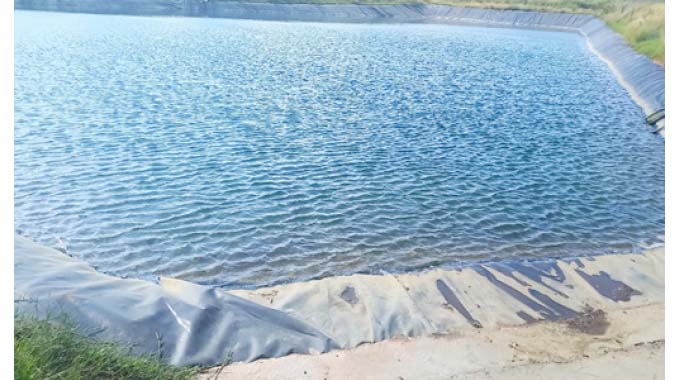
ZIMBABWE is now part of a four-member state integrated water project dubbed the Limpopo Water Course Commission (LIMCOM), which seeks to uplift living standards of people staying on river basins.
The organisation is working in partnership with the United Nations Development Programme (UNPD) and Global Water Partnership Southern Africa in implementing what the four member states have termed the “Integrated Transboundary management for the sustainable development of the Limpopo River Basin”.
The main objective of the member states, which are Botswana, Mozambique, South Africa and Zimbabwe is to achieve an integrated cross-sectoral ecosystem-based management of the Limpopo River to uplift living standards of the basin’s population.
In an interview, environment expert Mr Zvikomborero Maunganidze said the objective of formation was to achieve an integrated, cross-sectoral, ecosystem-based management of the Limpopo River to uplift living standards of the basin’s population, while conserving resources and ecosystem services.
“The Limpopo River Basin covers four main riparian countries. These are Botswana, Mozambique, South African and Zimbabwe. They have a catchment area of 408 000kms,” said Mr Maunganidze.
He said an improved water resource management system, including equitable water allocation in urban and downstream areas, was critical for the development of the Limpopo basin.
“The project will undertake a suite of the other activities designed to strengthen joint management and planning capacity and practices at the transboundary basin level,” said Mr Maunganidze.
He said the organisation had already launched a series of pilot projects to make a difference in sedimentation levels.
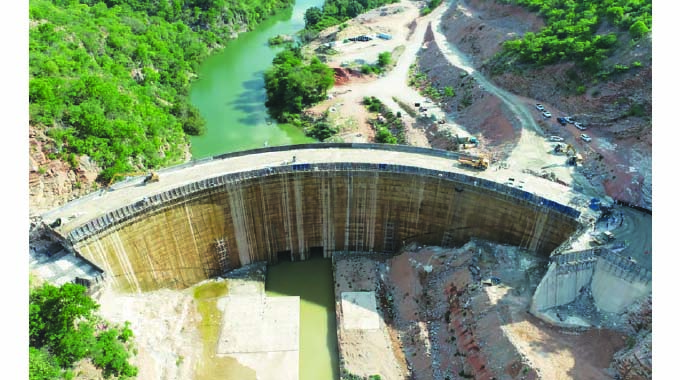
Construction of Lake Gwayi-Shangani is among the flagship infrastructure projects being undertaken by the Second Republic led by President Mnangagwa (File picture)
“Measuring the effectiveness of the interventions provided in reducing alluviation will provide useful information to explore various options for creating potential payment for ecosystem services. Schemes based on sedimentation control as the quotative data established with the project’s biophysical monitoring activities will establish the degree to which the SLM interventions are successful in reducing sedimentation and therefore whether PES (payment for ecosystems) schemes have a strong potential to work,” he said.
Mr Maunganidze said the organisation would carry out pilot site visits and consultations before the implementation of the programme.
“The project will tailor demonstrations for small-scale farmers who typically manage small plots, grow sustainable crops, employ manual land management practices and use minimal inputs,” said Mr Maunganidze.
“The project will undertake a suite of the other activities designed to strengthen joint management and planning capacity and practices at the transboundary basin level.”
Chronicle