The GOVERNMENT is set to unveil new interventions, which may include reforming the foreign currency auction system and boosting foreign currency supply in the market, to deal with the recent volatility affecting the Zimbabwe dollar.
The recent weakening of the local currency has been attributed to speculative behaviour and scarcity of hard currency in the market during “this high-demand season”.
There is generally high demand for foreign currency during the first months of the year owing to a mismatch between the increased demand for imports and low foreign currency inflows into the economy.
The Zimbabwe dollar has lost significant ground to the United States dollar over the last three weeks.
On the parallel market, the exchange rate has weakened from US$1:$9 800 during the last week of December to US$1: $13 000 last week.
On the official market, the rate stood at US$1: 5 903 on December 29 and has since declined to US$1: $8 331.
Finance, Economic Development and Investment Promotion Minister Professor
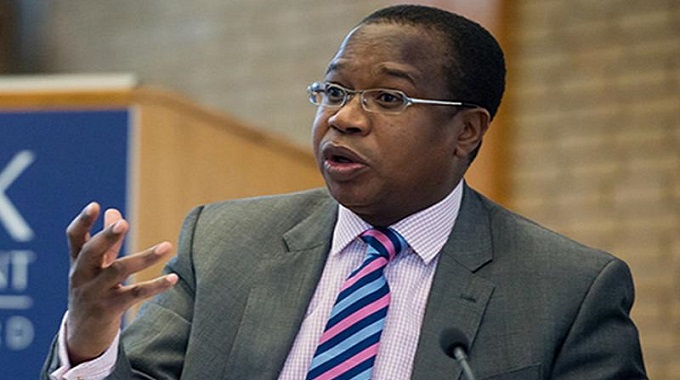
Mthuli Ncube told The Sunday Mail that Government will roll out both fiscal and monetary policy interventions to stem further decline of the local unit.
“Currency volatility is being caused by speculative behaviour in the market and a shortage of foreign currency during this high-demand season,” he said.
“Government will be taking further fiscal and monetary policy measures, which may include auction redesign in order to deal with the volatility.
“Government will also increase the supply of foreign currency at a time when demand for it is high.”
Government, Minister Ncube said, will institute measures to deal with recent currency volatility “so as to reduce its impact on domestic inflation and general price increases”.
Economist Dr Kingston Kanyile said Government must manage money supply.
“There is need for fiscal discipline and for the Government to manage money supply and stay committed to budget expenditure,” he said.
“Although it might be difficult to stay within the budget given the weakening of commodity prices and climate change, it is important for Government to be committed to fiscal discipline.”
Presenting the 2024 National Budget last year, Professor Ncube said Government will continue to entrench measures that foster currency stability.
“Fiscal restraint, together with a healthy current account position, provides the necessary conditions for currency and price stability,” he said.
“In this regard, to effectively manage liquidity in the economy, the central bank’s Monetary Policy Committee is expected to continue to implement policies that maintain non-inflationary liquidity of the local currency and a stable exchange rate.
“Specifically, the central bank will target a month-on-month inflation rate of less than 3 percent throughout 2024.”
Sunday Mail