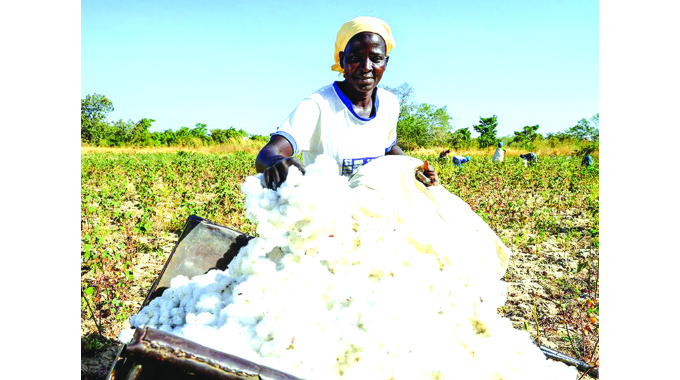
IN a bid to revolutionise the cotton industry and boost national productivity, Quton Seed Company is intensifying the training of local farmers on cotton seed hybrid production.
The hybrids have the potential to deliver a staggering 70 percent increase in yield compared to traditional open-pollinated varieties (OPVs), currently the mainstay of Zimbabwean cotton farmers.
The initiative aims to address several pressing concerns.
Currently, the country is importing hybrid seed from India’s Mahyco, which owns 60 percent stake in Quton.
“Investing in farmer training is critical for the success of this program. By equipping our farmers with the knowledge and skills they need to cultivate hybrid cotton varieties effectively, we can ensure they reap the full benefits of this technology.
This knowledge transfer is essential for maximizing yields and promoting sustainable agricultural practices,” Quton executive director Dr Edworks Mhandu said in a sideline interview after a familiarisation tour of its delinting processing plant in Glendale on Tuesday.
Lands, Agriculture, Fisheries, Water and Rural Development permanent secretary professor Orbert Jiri led a touring delegation of representatives cutting across the cotton value chain.
By developing domestic hybrids, Zimbabwe can achieve greater self-sufficiency and stability in the cotton sector.
The hybrid seeds boast superior drought tolerance and disease resistance, crucial qualities in a country grappling with the effects of climate change.
This translates to improved yield consistency and reduced risk of crop failure for farmers, enhancing their livelihoods and contributing to overall agricultural resilience.
The initiative extends beyond seed development.
Recognising the need for knowledge transfer, Quton has launched a comprehensive program to train farmers on the cultivation and management practices specific to hybrid cotton varieties.
This ensures farmers are equipped with the necessary skills to maximise their yield and contribute to the success of the programme.
The potential benefits of this initiative are significant. Increased productivity can lead to a revitalised cotton industry, generating more income for farmers, boosting exports, and creating jobs throughout the value chain.
Furthermore, reduced reliance on imported seeds will free up valuable foreign currency reserves for other critical investments.
With its focus on innovation, self-sufficiency, and farmer empowerment, the development of cotton hybrid seeds represents a promising step forward for Zimbabwe’s agricultural sector.
The use of hybrid seeds requires less than half the amount of seed compared to open-pollinated varieties.
A farmer will only need four kilogram of hybrid seed to plant a one-hectare field, significantly reducing the seed cost and making the overall process more efficient. This translates to substantial savings for farmers, further enhancing the economic benefits of this initiative.
Zimbabwe mainly uses open-pollinated varieties but indications are that production could go up to as much as 600 000 tonnes with the use of hybrid seeds.
Experts are urging the Government to ramp up the use of hybrid seeds to boost productivity and cut the risk of crop failures as OPVs are getting more susceptible to diseases.
Speaking after the tour, Prof Jiri emphasised the vital role the cotton industry plays in sustaining livelihoods within rural communities. He highlighted the industry’s significant contribution to income generation and rural development.
However, Prof Jiri also addressed the issue of Government-provided inputs being misused by some farmers. He urged farmers to utilise these resources responsibly, emphasizing the government’s commitment to tackling any abuse.
Professor Jiri’s remarks underscore the delicate balance between supporting rural communities and ensuring responsible resource utilization. The cotton industry holds immense potential for rural development, but its sustainable growth hinges on addressing the issue of input misuse. By promoting responsible practices and holding those accountable, the industry can continue to provide vital support for rural communities in Zimbabwe
Herald