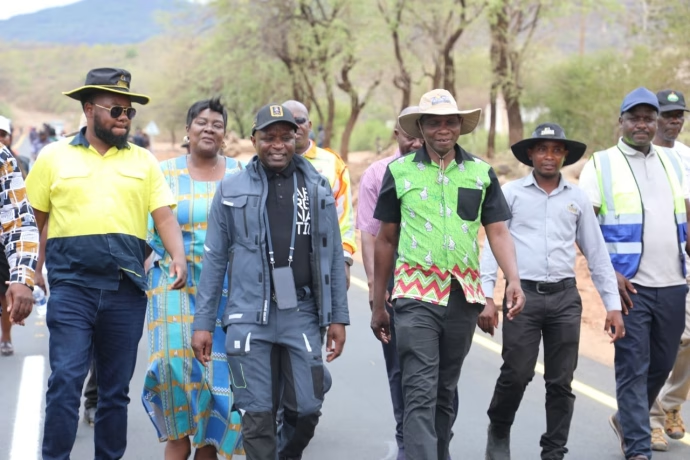
GOVERNMENT through Empower Bank has introduced short-term loans targeting youths and the facility doesn’t require collateral security as part of efforts aimed at economically empowering young people through income-generating projects.
Lately, drug and substance abuse has become prevalent among the youth, and it is hoped that the loan facility will help keep them busy.
It is part of an ongoing effort to fight the scourge in the country. Government has since established four Zimbabwe Republic Police (ZRP) Drugs and Narcotics Units at Beitbridge, Victoria Falls, Chirundu, and Mutare border posts.
These police posts at the ports of entry are meant to curtail the inflow of drugs. Inland posts have also been established at the Robert Gabriel Mugabe, Joshua Mqabuko Nkomo, and Victoria Falls International airports.
New technologies like drones are also being used to monitor the country’s borders in addition to traditional surveillance methods in order to reduce the smuggling and trafficking of drugs.
Recent studies done in Zimbabwe revealed an estimated 7,1 percent of young people abuse drugs, with the most prevalent drugs being cannabis, crystal meth, broncleer, skin lighteners, illicit beverages, and body enlargement products.
In his post-Cabinet media briefing on Tuesday, the Minister of Information, Publicity and Broadcasting Services Dr Jefan Muswere said: “In a bid to reduce drug abuse, the Ministry of Youth Empowerment, Development and Vocational Training had submitted 188 projects to Empower Bank for funding. Short-term loans have been introduced and clients are now accessing this facility without collateral security.”
Dr Muswere said sports galas have also been identified as an effective way of reaching out to the youth as they provide an enabling environment and platform to raise awareness of drug and substance abuse.
“Cabinet further wishes to inform the nation that 279 patients comprising 233 males and 46 females received drug rehabilitation services inclusive of treatment, medical detoxification, and rehabilitation services to all referred and walk-in clients,” he said.
“A total number of 53 clinical health personnel and 57 community-based health workers, school health coordinators, and peer support champions in schools and universities were trained on mental health.”
Dr Muswere said primary, higher, and tertiary education institutions carried out drug and substance abuse awareness campaigns to students as weekly awareness campaigns continue to be a priority with the collective campaigns in the primary education level having reached 410 473 learners (194 398 male and 216 075 female) during the period under review.
“As a behaviour change intervention, the education sector continues to facilitate students to interact with offenders in a bid to educate them on the danger of abusing drugs and substances and the effects thereof. Community outreaches are being carried out through information, education and communication materials,” he said.
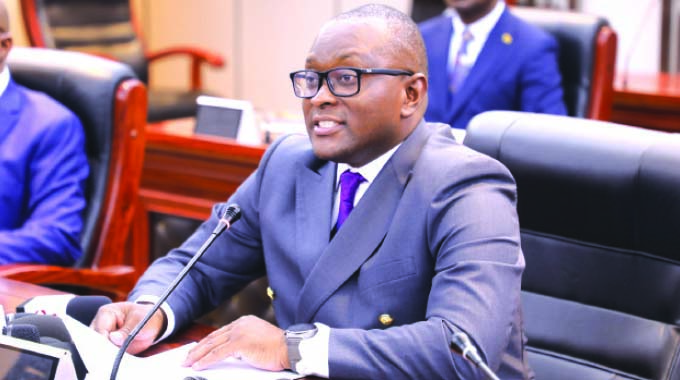
Dr Jenfan Muswere
Dr Muswere said while information outreach programmes are ongoing, arrests of drug peddlers continue with nearly 500 suspects nabbed during the week.
The Liquor Licensing Board inspected 85 outlets where 15 were found operating without licences and they were referred to the Police Licensing Inspectorate Department for further management.
“The nation is being informed that Government continues to heighten the fight against illegal inflows of illicit drugs, substances, and alcohol throughout the country. A total of 486 (451 male and 35 female) offenders were arrested. Out of the arrested offenders, 20 were suppliers who were referred to court, while 466 were drug users who paid deposit fines,” said Dr Muswere
“Raids were conducted during the period under review and drugs were confiscated.”
Medical experts have consistently been warning against drugs and substance abuse which despite usually fatal health challenges, the practice has a huge potential to delay a nation’s development.
Apart from disrupting the flow of developmental programmes, drugs are a security threat to the nation.
President Mnangagwa set up an Inter-Ministerial Taskforce, which has since been elevated to the National Committee, chaired by Defence Minister Oppah Muchinguri-Kashiri.
Churches have also mainstreamed drug and substance abuse in their religious activities.
Chronicle