
The Government of Zimbabwe has introduced the Energy Regulatory (Solar Products and Installation) Regulations, 2026 (Statutory Instrument 187 of 2026), a landmark framework designed to improve quality, safety and accountability across the country’s rapidly growing solar energy sector. Administered by the Zimbabwe Energy Regulatory Authority (ZERA), the regulations establish mandatory standards for the importation, manufacture, distribution, sale and installation of solar photovoltaic (PV) and solar thermal products, while protecting consumers from counterfeit equipment, hazardous installations and substandard technologies.
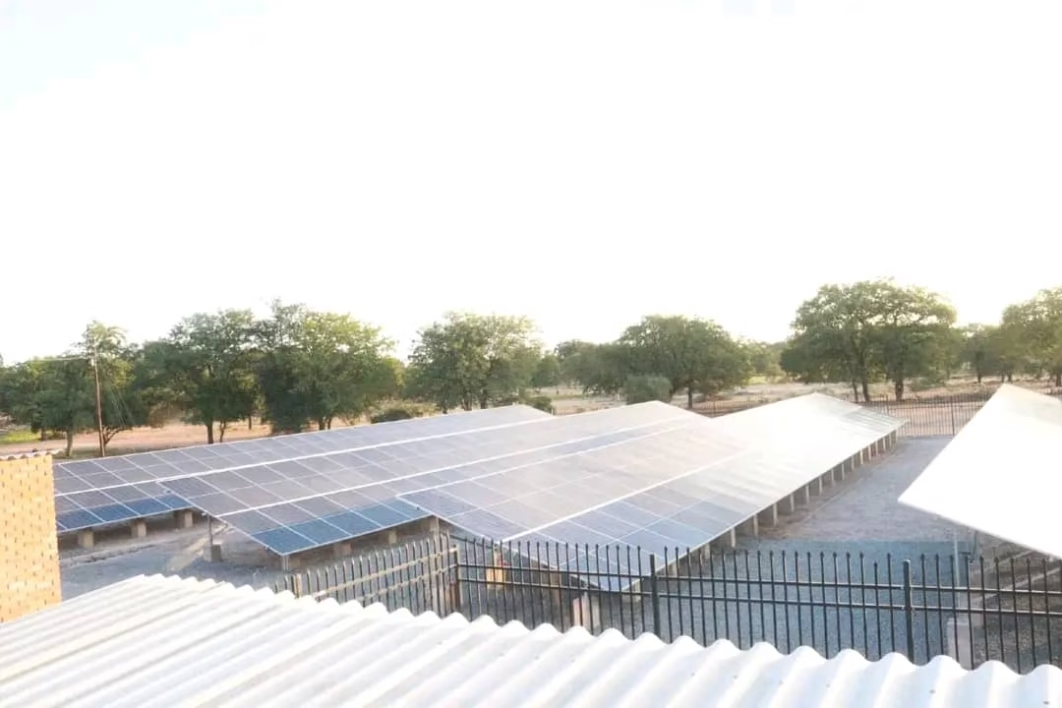
As part of efforts to familiarise stakeholders with the new requirements, ZERA has been unpacking the provisions of Statutory Instrument 187 of 2026 through awareness and stakeholder engagement initiatives. The regulations apply to all importers, manufacturers, distributors, retailers, consulting engineers, contractors and solar installers involved in the supply and installation of solar equipment used for electricity generation or thermal heating.
A central feature of the new framework is the mandatory registration of all imported and locally manufactured solar products with ZERA. Manufacturers and importers must provide company information, product specifications, warranty details, accredited test reports and conformity certificates demonstrating compliance with prescribed Zimbabwean and international standards. Approved products will be listed on a publicly accessible registry maintained by the Authority, enhancing transparency and enabling consumers to make informed purchasing decisions.
The regulations also introduce strict measures against non-compliant solar products. No individual or business will be permitted to import, manufacture, distribute, store, sell, display, donate or possess solar products that fail to meet approved standards. In addition, all solar products and consumer devices offered for sale in Zimbabwe must possess a valid Consignment Based Conformity Assessment (CBCA) certificate, ensuring that only quality-assured products enter the market.
To address concerns over unsafe and poorly executed installations, the regulations make it mandatory for all solar PV and solar thermal systems to be installed by ZERA-licensed practitioners. Installers must meet minimum academic and professional requirements, obtain licences from the Authority and submit annual installation returns. Upon completion of any installation, a Completion of Works Certificate must be issued to the client and the installation reported to both the relevant electricity distributor and ZERA. These measures are expected to improve system safety, reliability and performance while strengthening accountability within the industry.
Consumer protection forms another cornerstone of the regulations. Suppliers are now required to provide minimum warranties for solar products and components, including ten years for solar PV modules, five years for lithium-ion batteries and solar water heaters, and two years for inverters, controllers and solar home system kits. The regulations further stipulate that payment of fines or penalties does not exempt suppliers or installers from their responsibility to compensate consumers for defective products or poor workmanship.
To ensure compliance, ZERA has been granted extensive inspection and enforcement powers, including the authority to inspect premises, seize non-conforming products and facilitate the disposal of substandard equipment in line with environmental management regulations. Complaints and disputes between consumers, suppliers and installers will be resolved through the Authority’s established dispute-resolution mechanisms.
The implementation of Statutory Instrument 187 of 2026 is aligned with Zimbabwe’s Vision 2030 aspiration of achieving upper-middle-income status and the objectives of the National Development Strategy 2 (NDS2), which prioritise energy security, industrialisation, investment promotion and sustainable economic growth. By regulating solar products and installations, Zimbabwe will enhance consumer confidence, attract quality investment into the renewable energy sector, reduce the circulation of counterfeit and unsafe equipment, improve electricity access and system reliability, and support the expansion of clean energy solutions. Ultimately, the regulations create a stronger foundation for a modern, safe and sustainable energy industry capable of contributing meaningfully to national development, economic productivity and the country’s broader energy transition agenda.