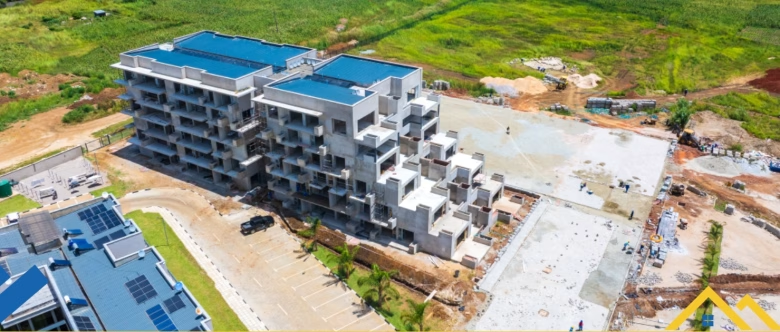
Harare – The Tobacco Industry and Marketing Board (TIMB) has commissioned a 130.9-kilowatt-peak solar power system at its Harare head office, marking a significant investment in energy security, operational efficiency and environmental sustainability.
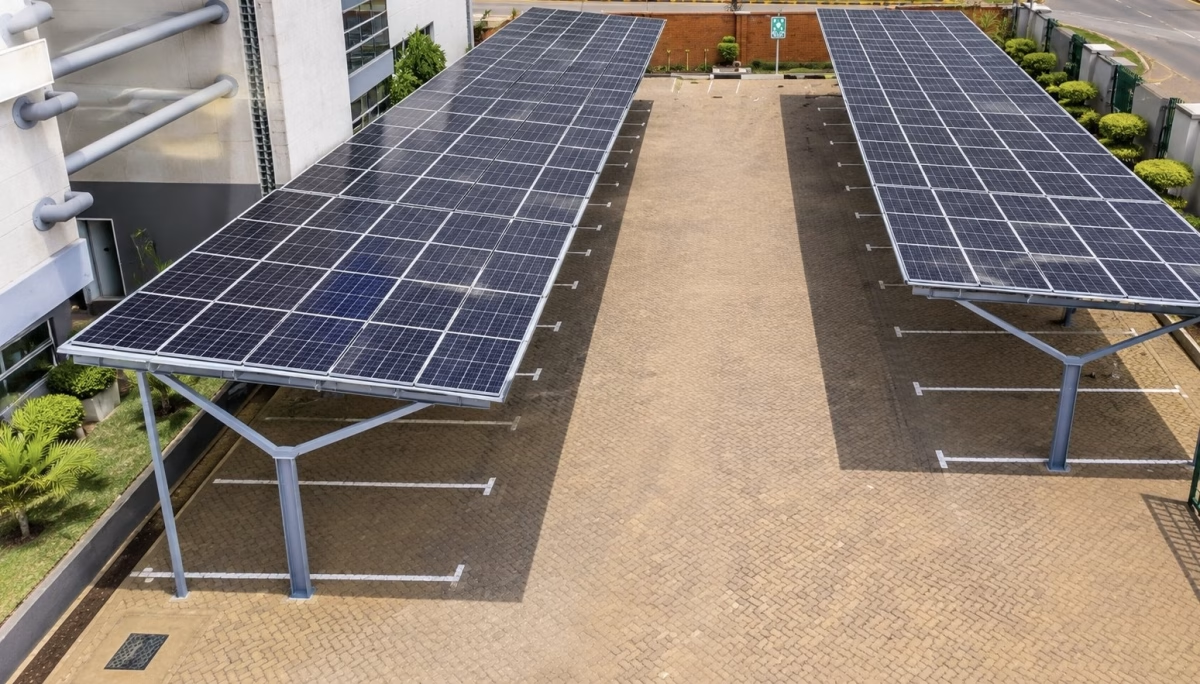
TIMB Board Chairman Patrick Devenish officially commissioned the facility, describing the investment as a strategic step towards securing the institution’s energy future while supporting Zimbabwe’s transition towards renewable energy. The US$252,309.83 project comprises a 130.9kW solar array supported by inverters with a combined capacity of 150kW and is expected to generate approximately 520 kilowatt-hours of electricity daily, translating to about 191,000 kilowatt-hours annually.
The solar installation will enable TIMB to power critical operations independently, reducing reliance on grid electricity and diesel generators during power outages while improving operational continuity. TIMB is also exploring opportunities to feed surplus electricity into the national grid through net-metering arrangements.
Beyond strengthening energy resilience, the project is expected to lower electricity and fuel costs, reduce greenhouse gas emissions and support the organisation’s broader environmental, social and governance (ESG) objectives. TIMB intends to establish an emissions baseline and monitor the environmental benefits generated through the initiative and other sustainability programmes.
Devenish said the investment demonstrates the institution’s commitment to leading by example in promoting responsible and sustainable business practices, adding that sustainability must be reflected through measurable actions rather than policy commitments alone. He noted that all TIMB regional offices are already powered by solar energy, underscoring the organisation’s commitment to integrating renewable energy solutions across its operations.
The installation aligns with the Government’s renewable energy agenda, Vision 2030 and the National Development Strategy 2 (NDS2), which emphasise increased adoption of clean energy, improved energy security and the development of a sustainable, climate-resilient economy. By investing in renewable energy infrastructure, TIMB is supporting national efforts to diversify Zimbabwe’s energy mix while enhancing institutional efficiency and reducing operational costs. For stakeholders across the tobacco value chain, including growers, merchants and contractors, the project reinforces the importance of sustainable production practices, demonstrates environmental stewardship and sets a practical example of how renewable energy can improve competitiveness, resilience and long-term sustainability.