Zimbabwe’s search for domestic oil and gas resources has reached another important stage following the commencement of the Musuma-1 exploration well in Muzarabani, Mashonaland Central Province, deepening prospects for a new energy frontier with potential implications for industrialisation, investment and long-term energy security.
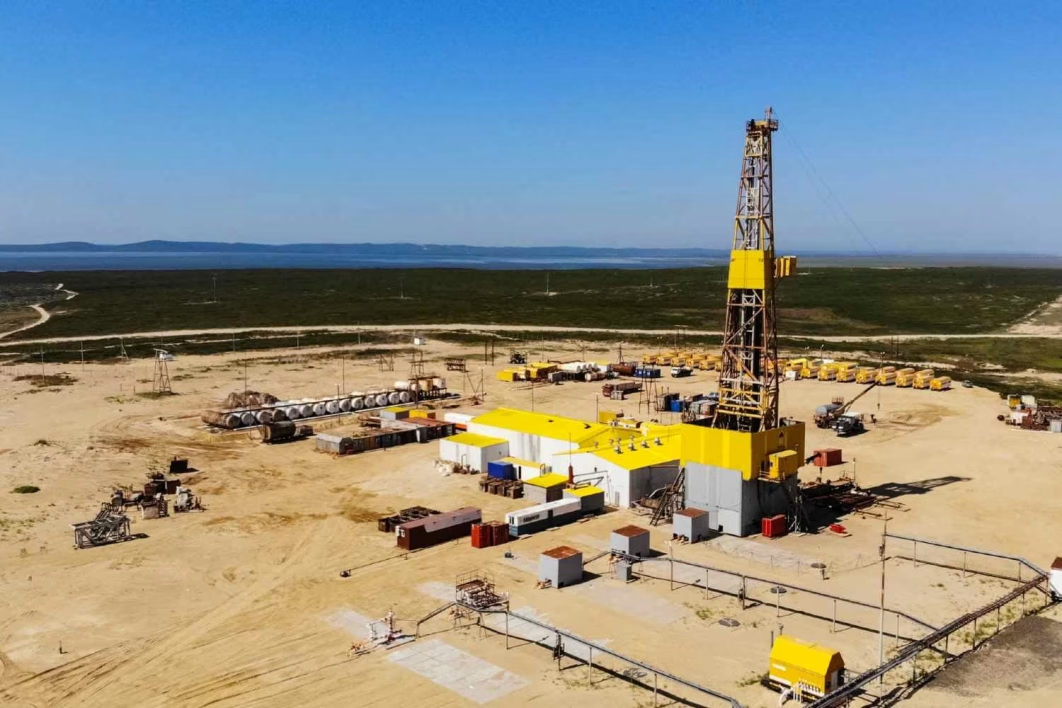
The project, being undertaken in the Mbire-Muzarabani area of the Cabora Bassa Basin, has attracted investment exceeding US$80 million and represents one of the country’s significant ongoing investments in hydrocarbon exploration. Its progress reflects growing interest in Zimbabwe’s geological potential and the possibility of diversifying the national energy resource base.
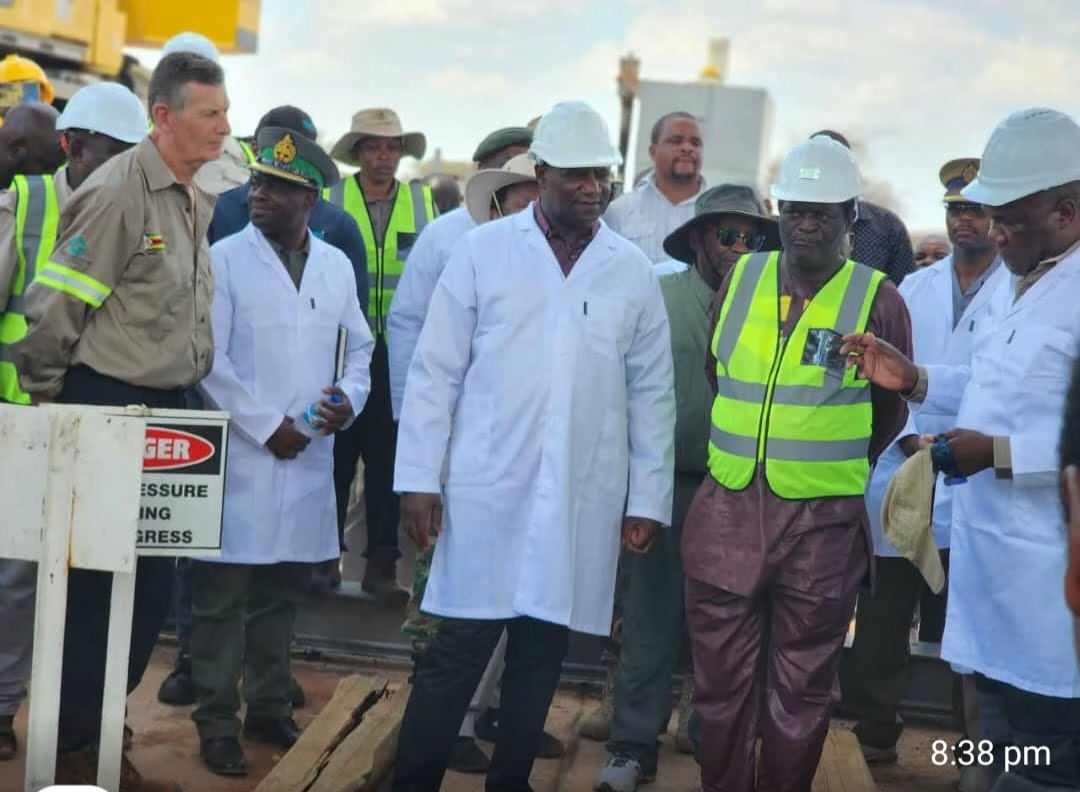
The Minister of State for Provincial Affairs and Devolution for Mashonaland Central, Hon. Christopher Magomo (MP), officiated at a Media Day and Rig Tour at the Musuma-1 exploration well, where stakeholders were briefed on developments under the exploration programme.
Musuma-1 is the third exploration well drilled under the programme, following Mukuyu-1 in 2022 and Mukuyu-2 in 2023. Both earlier wells reached depths of approximately four kilometres, with exploration activities also supported by two seismic campaigns designed to improve understanding of the geological structures beneath the basin.
The drilling programme culminated in the discovery of gas condensate at Mukuyu, an important development in Zimbabwe’s hydrocarbon exploration journey. The Musuma-1 well represents a further effort to assess the basin’s resource potential and establish a clearer understanding of the extent and characteristics of the identified hydrocarbon system.
The significance of these developments extends beyond the technical achievement of drilling exploration wells. For Zimbabwe, the possibility of developing domestic oil and gas resources presents an opportunity to strengthen energy security, diversify energy supply and potentially reduce exposure to imported energy products. However, the transition from exploration discoveries to commercial production remains dependent on further appraisal, resource assessment, technical feasibility and investment decisions.
This distinction is important because the discovery of hydrocarbons does not automatically translate into commercially recoverable reserves or immediate production. The next stages must establish the scale of the resource, the cost of extraction, the infrastructure required to bring it to market and the economic conditions under which production can be sustained.
If commercial viability is established, the implications for Zimbabwe’s economy could be substantial. Natural gas can support electricity generation, industrial heating, fertiliser manufacturing and other industrial processes. Its development could also create opportunities for downstream industries, allowing the country to derive wider economic value from its natural resources rather than relying solely on the extraction and export of raw commodities.
One particularly important opportunity lies in the potential relationship between domestic gas resources and agricultural industrialisation. Natural gas is a key feedstock in the production of nitrogen-based fertilisers, meaning commercially viable gas production could create opportunities to strengthen domestic fertiliser manufacturing and support agricultural productivity. Such possibilities would, however, depend on the quantity and quality of recoverable gas, the cost of production and the development of appropriate processing infrastructure.
The project also aligns with the broader development priorities articulated under Vision 2030 and the National Development Strategy 2, particularly the emphasis on investment mobilisation, value addition, beneficiation and industrial growth. Reliable and affordable energy is a critical input across manufacturing, mining, agriculture and infrastructure development. Expanding the domestic energy resource base could therefore contribute to the competitiveness of several productive sectors.
Addressing stakeholders, Hon. Magomo emphasised the importance of ensuring that the investment generates tangible benefits for Mashonaland Central Province and the communities surrounding the exploration area. He highlighted skills transfer, local procurement, employment creation and meaningful community participation as important considerations in the implementation of the project.
This is an important dimension of large-scale natural resource investment. While exploration requires specialised technical expertise and substantial capital, its wider development value should also be reflected in the opportunities created for local businesses, workers and communities. Transport operators, accommodation providers, construction companies, food suppliers and other service businesses can benefit from the economic activity associated with major exploration operations.
The longer-term opportunity is to build local capabilities that remain useful beyond the exploration phase. Technical training, supplier development and partnerships with educational and vocational institutions could help equip Zimbabweans with skills relevant to the country’s emerging energy industry. This would strengthen the domestic capacity to participate in future exploration, production and associated industrial activities.
The project brings together several strategic partners and stakeholders, including Geo Associates, Invictus Energy, One-Gas Resources, Exalo Drilling, Schlumberger, Mutapa Investment Fund and the National Social Security Authority. Their involvement illustrates the capital requirements, technical expertise and institutional partnerships needed to advance complex energy projects.
For Mashonaland Central, the exploration programme also presents an opportunity to expand the province’s economic profile. Beyond its established agricultural and mining activities, the possibility of a developing energy industry could attract supporting investment, improve infrastructure and create new commercial opportunities in Muzarabani, Mbire and surrounding districts.
However, the long-term contribution of the project will depend on how effectively exploration progress is translated into a viable energy value chain. This includes the development of processing facilities, transportation infrastructure, reliable supply arrangements, environmental safeguards and a regulatory framework that provides confidence to investors while protecting national interests and surrounding communities.
The environmental dimension will also require careful attention. Oil and gas development must be accompanied by appropriate safeguards for water resources, land, biodiversity and community livelihoods, particularly in an area where agriculture and other rural economic activities remain important. Responsible resource development is essential to ensuring that potential economic gains do not come at the expense of environmental sustainability.
Ultimately, Musuma-1 represents another step in Zimbabwe’s effort to establish the commercial potential of its hydrocarbon resources. While exploration is still progressing, the project has opened an important conversation about the country’s future energy mix, industrial capacity and ability to attract investment into strategic sectors.
For Zimbabwe, the real measure of success will not simply be the completion of exploration wells or the identification of hydrocarbons, but the eventual ability to develop commercially viable resources that strengthen energy security, support domestic industries, create employment and generate lasting economic benefits. Muzarabani’s emerging energy prospects could become an important part of that journey.