The third quarter of 2026 became a remarkable showcase of resilience and growth for Dairibord Holdings, as highlighted in its recent trading update for the period ending 31 September 2026. The company reported that the macroeconomic climate stayed relatively stable, with central‑bank monetary policies keeping inflation and exchange rates in check, thereby smoothing trading activities and pricing models. Despite tight local‑currency liquidity, the agricultural season bolstered rural liquidity and food security, creating a favourable operating environment.
Power‑supply hiccups and extended downtime at production sites hampered operating efficiency, yet Dairibord adeptly navigated these obstacles. Global tensions in the Middle East spiked fuel and input costs, pressuring distribution, raw material, and packaging expenses. Nevertheless, the firm’s aggressive market‑competition strategy—introducing new product lines and applying pressure on both formal and informal competitors—kept growth on track.
Raw milk supply remained steady, while improved collections spurred Liquid Milk’s expansion in the quarter. Dairibord’s Q3 intake of raw milk stayed unchanged year‑on‑year at 11.8 million litres, and sales volume rose moderately compared with the 25 % surge recorded in the first half. An extended July cold spell impacted dairy performance, but scheduled maintenance at the bottled Cascode line was managed to limit disruption.
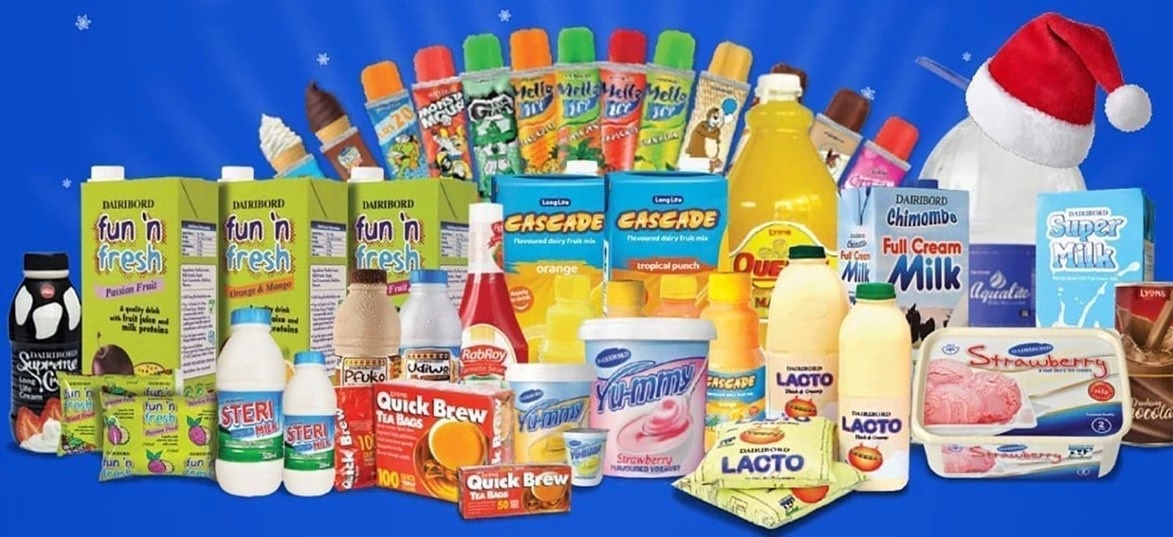
Total quarterly sales volume jumped 18 % year‑on‑year to 41.58 million litres, with gains across all product categories. Revenue climbed 22 % to US$44.65 million. Segment highlights included a 15 % rise in Liquid Milks, aided by increased throughput at the Chipinge Steri plant despite milk‑supply constraints; Beverages grew 10 %, benefiting from recent capital investments in bottled Cascode and Pfuko Maheu lines; and Foods surged 18 %, driven by strong consumer demand for yoghurt and ice‑cream.
For the nine‑month cumulative period, sales volume reached 119.85 million litres, a 23 % increase over the prior year, while revenue rose 26 % to US$127.12 million. Beverages accounted for 67 % of total volume, Liquid Milks 24 %, and Foods 10 %. Export volume fell 23 % year‑to‑date as the Group prioritised meeting robust domestic demand, positioning exports as a future focus for foreign‑currency generation and risk diversification.
Looking forward, Dairibord plans fresh investments to fuel fourth‑quarter volume growth, expecting better raw milk intake from large commercial farmers. Management is pushing cost‑efficiency initiatives, including utility self‑sufficiency, and aims to commercialise innovation from its pipeline between the fourth quarter and Q1 2027 to drive market‑share gains.