Electrifying Zvitokwe Primary School in Shamva District is more than extending the national electricity grid. It highlights the growing importance of rural infrastructure in addressing educational inequalities, expanding economic opportunities and connecting communities to the technologies underpinning modern development.
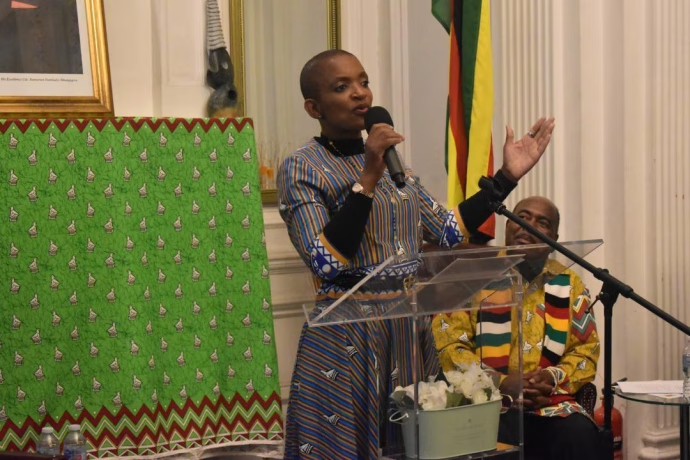
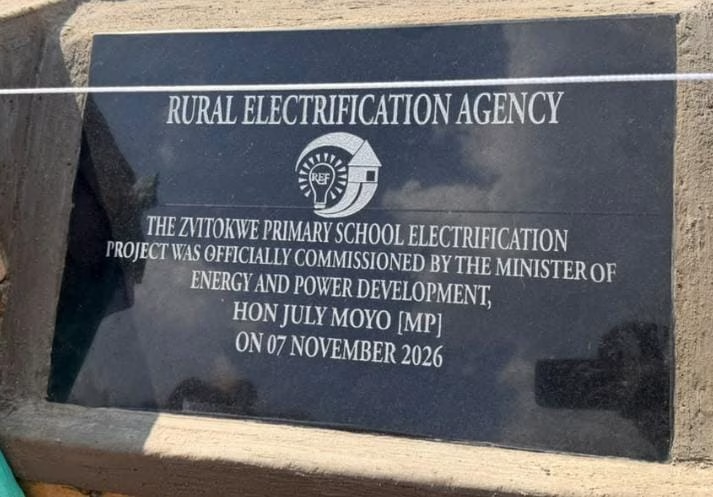
The school officially switched on its electricity connection on 7 November 2026 during a ceremony attended by the Minister of Energy and Power Development, Hon. J. Moyo, as Guest of Honour. The Minister of State for Provincial Affairs and Devolution for Mashonaland Central, Hon. C. Magomo, was represented by the Director of Economic Affairs and Investment, Mr Katambarare.
The development brings a new dimension to the learning environment at Zvitokwe, where access to electricity creates opportunities for the introduction of computers, electronic learning materials and other educational technologies. For learners in rural communities, such infrastructure is increasingly important in ensuring that geographical location does not determine access to modern educational resources.
However, the significance of this connection goes beyond having lights in classrooms. Electricity is a foundation for digital learning, scientific experimentation and the development of technological skills required in an increasingly knowledge-driven economy. Its full value will depend on complementary investment in computers, internet connectivity, educational equipment and teacher training.
This places rural electrification within the broader transformation of Zimbabwe’s education system. As the country pursues skills development, innovation and industrialisation, rural schools must increasingly become part of the national technological ecosystem. Connecting them to the grid is an important first step towards reducing the digital divide and widening access to opportunities.
Statistics presented at the ceremony indicate that, as at 30 October 2026, the Rural Electrification Agency (REA) had electrified 135 institutions in Shamva District, including 47 primary schools and 26 secondary schools, alongside other public institutions. Zvitokwe Primary School is also among 35 grid extension projects completed across Mashonaland Central Province during 2026.
These figures demonstrate the expanding reach of rural electrification, while raising a broader development question: how can the infrastructure being installed across rural districts translate into lasting improvements in productivity, household incomes and community welfare?
The answer lies in connecting electricity access to productive economic activity. In agricultural communities, reliable power can support irrigation, refrigeration, food processing and storage, allowing farmers to preserve produce, reduce post-harvest losses and explore higher-value markets. Small businesses can adopt modern equipment, improve operational efficiency and expand their services.
In a district such as Shamva, where agriculture and mining contribute to the local economic landscape, improved electricity infrastructure also creates opportunities for businesses operating along these value chains. The availability of reliable power can strengthen local processing capacity, support enterprise development and improve the conditions necessary for investment.
This is why rural electrification should be understood as an economic development intervention rather than simply an infrastructure programme. When electricity reaches schools, clinics, farms and business centres, it creates the foundation for a more productive rural economy and reduces the infrastructure disadvantages that have historically constrained communities outside major urban centres.
The participation of local leadership, the Rural Electrification Agency, Canterbury Mine and other stakeholders at the Zvitokwe ceremony also illustrates the importance of collaboration in extending infrastructure to underserved communities. Government programmes, private-sector participation and community engagement can collectively accelerate the delivery of projects that respond to local development needs.
Nevertheless, the long-term success of electrification cannot be measured by the number of institutions connected alone. Reliability of supply, maintenance, affordability and the availability of complementary infrastructure will determine whether these investments produce meaningful results. A school connected to electricity but without computers or internet access remains limited in its ability to embrace digital learning. Similarly, farmers require irrigation equipment, financing and access to markets to turn electricity into higher agricultural output.
The next phase of rural transformation must therefore focus on maximising the developmental value of infrastructure already delivered. For Zvitokwe Primary School, this means translating electricity access into improved teaching methods, better learning conditions and practical technological skills. For the surrounding community, it means exploring how the new connection can support businesses, agricultural production and essential services.
The electrification of Zvitokwe is a practical example of how national infrastructure programmes can reach communities beyond major economic centres. Its ultimate significance, however, will be determined by what the community is able to build around the new connection.
The power lines have reached the school. The greater task now is to ensure that the opportunities they bring extend into the classroom, the farm, the business community and the wider local economy.