By Aldridge Dzvene
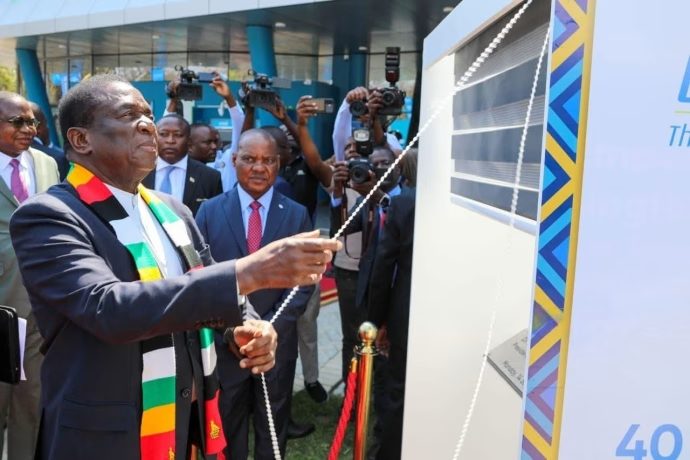
MUTOKO – President Dr Emmerson Dambudzo Mnangagwa has commissioned the Mutoko Bioeconomy Industrial Park, describing the facility as a flagship Education 5.0 project that will accelerate value addition, drive rural industrialisation and strengthen Zimbabwe’s transition towards a knowledge-based and innovation-driven economy.
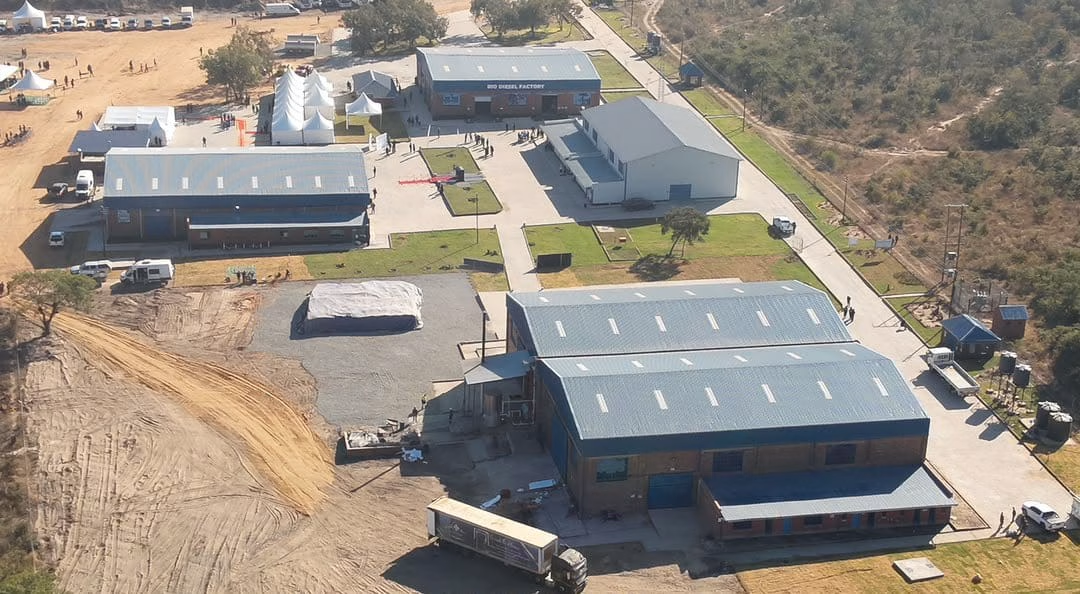
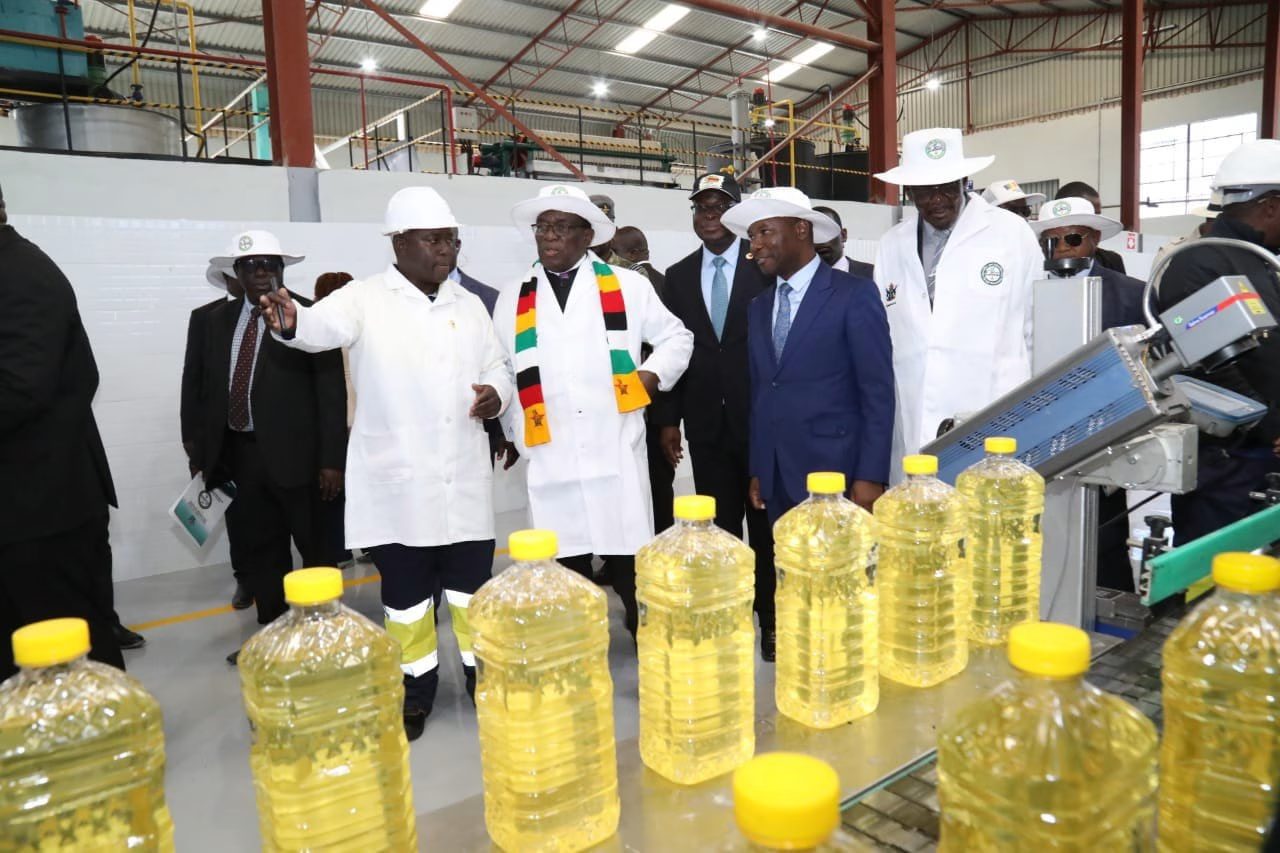
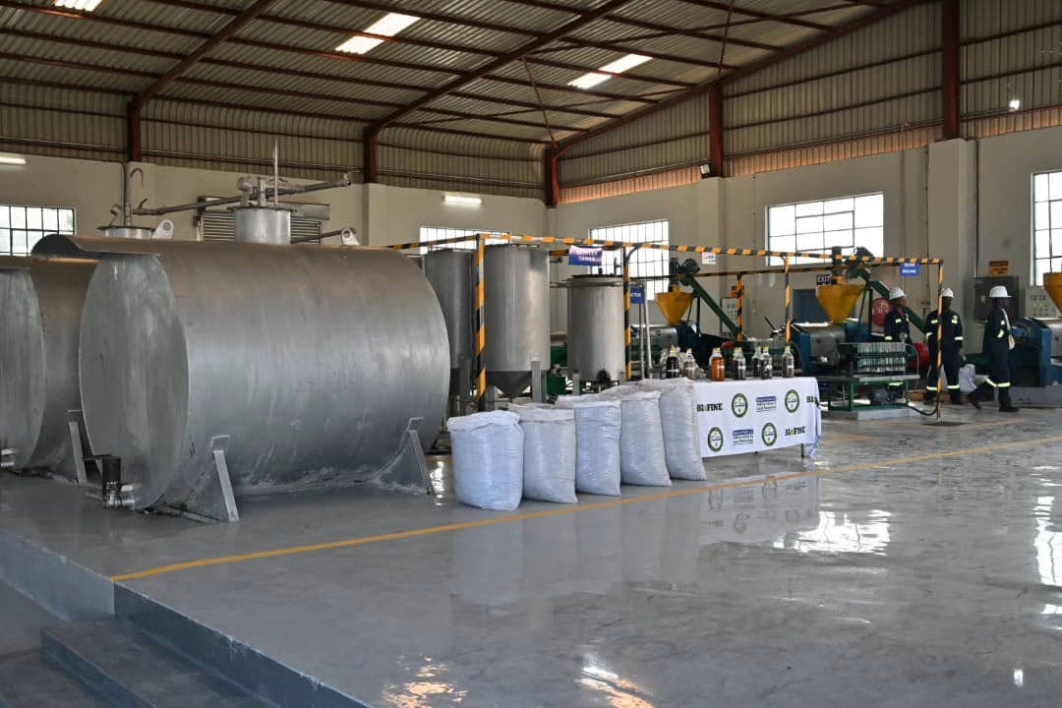
The industrial park, which houses a biodiesel plant, a soap manufacturing facility and a cooking oil refinery, translates research generated by Zimbabwe’s universities and tertiary institutions into commercially viable products, reinforcing Government’s commitment to modernising the productive sector through science, technology and innovation.
Beyond the commissioning of new industrial infrastructure, the project represents the practical implementation of Zimbabwe’s evolving development model, where universities are no longer confined to teaching and research but are increasingly becoming centres of production, industrial innovation and enterprise creation. This reflects the maturation of the Education 5.0 philosophy, which positions higher and tertiary education as a direct contributor to economic growth and industrial development.
Speaking at the commissioning ceremony, President Mnangagwa said the bioeconomy industrial park demonstrates how local biological resources can be transformed into value-added products that create wealth, improve food security and generate employment.
“By focusing on value addition and beneficiation of our local biological resources, we are creating sustainable wealth for our communities, enhancing national food security, generating employment opportunities for our youth and driving inclusive economic growth across the nation,” said President Mnangagwa.
The Mutoko project also advances Government’s strategy of decentralising industrial development. Rather than concentrating manufacturing activities in major urban centres, the Second Republic is deliberately locating productive industries closer to raw materials and rural communities. This approach reduces transport costs, stimulates local enterprise development and allows rural districts to participate directly in national industrial growth.
The establishment of processing facilities within resource-producing areas also strengthens domestic value chains. Instead of exporting raw biological materials with limited economic returns, Zimbabwe is increasing local processing capacity, creating higher-value products, expanding manufacturing output and retaining greater economic value within the country.
Equally significant is the project’s contribution to import substitution. Domestic production of biodiesel, cooking oil and soap is expected to reduce reliance on imported products while strengthening national industrial resilience. Increased local manufacturing also enhances supply chain security and creates opportunities for Zimbabwean industries to compete in regional and continental markets under the African Continental Free Trade Area.
The industrial park further demonstrates how research and innovation are being integrated into national development planning. By commercialising locally generated knowledge, Government is fostering an innovation ecosystem where scientific discoveries are transformed into businesses, employment opportunities and export-oriented industries.
The commissioning therefore signals more than the opening of another factory. It illustrates Zimbabwe’s transition towards a bioeconomy in which agriculture, science, manufacturing and innovation converge to create sustainable industries that generate employment, diversify the economy and strengthen rural livelihoods.
As Government accelerates the implementation of the National Development Strategy 2 and Vision 2030, the Mutoko Bioeconomy Industrial Park provides a model for how research-led industrialisation can become a catalyst for inclusive economic transformation, ensuring that innovation translates into tangible development outcomes while leaving no one and no place behind.