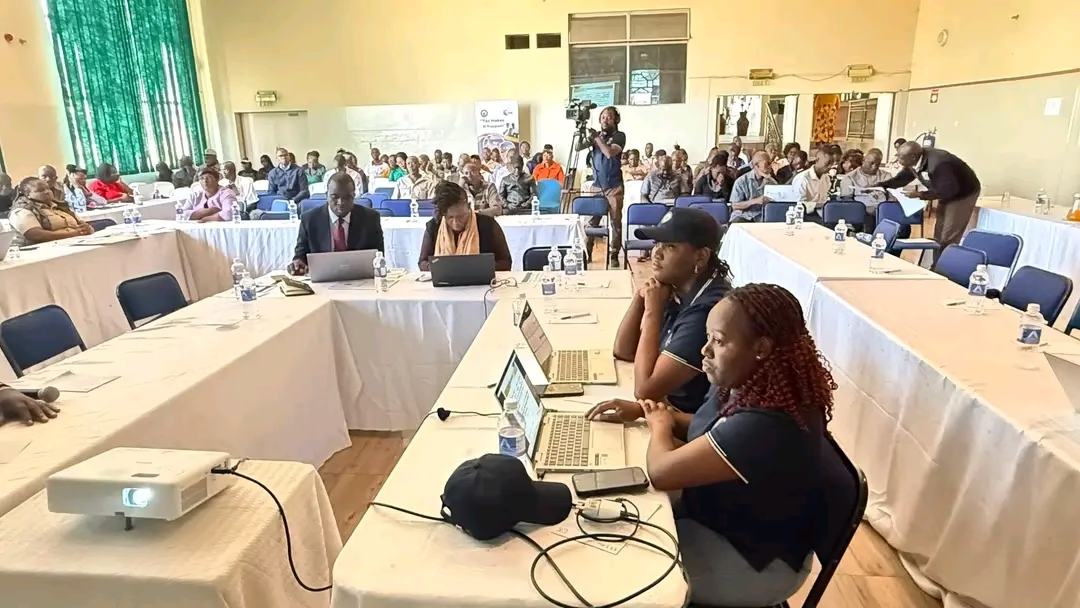
The Ministry of Finance, Economic Development and Investment Promotion, in partnership with the Zimbabwe Revenue Authority (ZIMRA), has rolled out a tax education programme aimed at strengthening compliance and supporting national development goals. The outreach, which gathered stakeholders in Mashonaland West, comes at a time when the government is pushing for greater reliance on domestic resources to fund development under the Second Republic.
The programme places special emphasis on small to medium enterprises (SMEs), whose formalisation has long been a challenge despite their central role in driving employment and local economic activity. By clarifying tax obligations and creating awareness, authorities aim to build a culture of compliance that will broaden the tax base and improve fiscal stability.
Officials stressed that tax compliance is not merely a regulatory requirement but an enabler of sustainable growth. Improved understanding of tax responsibilities is expected to encourage more SMEs to transition into the formal economy, giving them access to financial services, credit, and broader market opportunities. This, in turn, strengthens their contribution to the national fiscus while also enhancing business resilience.
Stakeholder feedback during the outreach highlighted both opportunities and concerns. Local authorities noted that non-compliance exposes businesses to garnishing and limits access to capital, while cross-border traders raised appeals for a review of customs duties to encourage legal trade and reduce the use of porous entry points. Such feedback underscores the delicate balance between enforcement and creating a tax environment that encourages compliance without stifling growth.
The initiative reflects a broader strategy by the government to harness locally available resources in pursuit of national development. By linking compliance education with formalisation efforts, the programme demonstrates a developmental approach where revenue collection is aligned with business growth, job creation, and economic inclusion.
Ultimately, the collaboration between the Ministry and ZIMRA is more than a revenue exercise, it is part of the state’s commitment to building a self-reliant economy that funds its own priorities through effective domestic resource mobilisation.