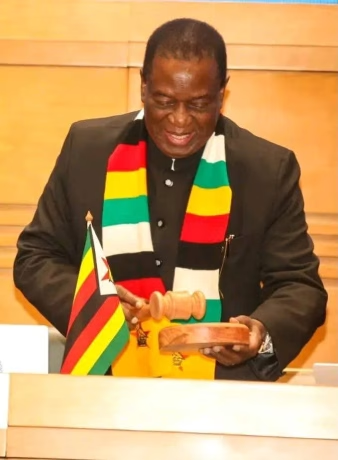
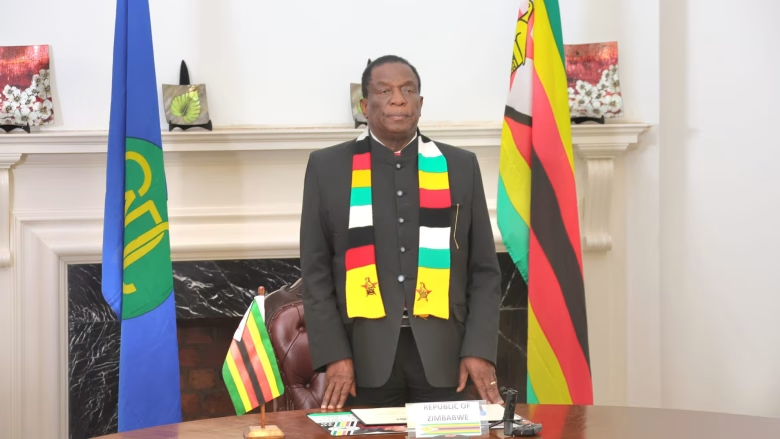
In a significant gathering at the 155th Assembly of the SADC Parliamentary Forum in Luanda, Angola, Hon. Adv J.F.N. Mudenda, Speaker of Parliament, emphasized the pivotal role of parliaments in advancing renewable energy policies and fostering a unified regional energy market across the SADC region.
The SADC region boasts vast untapped renewable energy resources, including hydroelectric, solar, wind, and biomass, capable of generating approximately 10580 terawatt-hours per year. Despite these resources, the region faces persistent energy deficits amid escalating demands driven by industrialization efforts.
Key among the opportunities highlighted was the Inga Dam hydroelectric project in the Democratic Republic of Congo, projected to yield an impressive 42,000MW of electricity once operational. However, delays in its implementation have hindered regional progress, underscoring the urgent need for timely execution of such transformative projects.
Highlighting specific projects, such as Angola’s Caculo Cabaça hydropower project, the Batoka Hydro Project shared by Zambia and Zimbabwe, Mozambique’s Mphanda Nkuwa Hydropower Project, and Tanzania’s Stiegler’s Gorge Hydropower project, Mudenda stressed the importance of completing these ventures promptly to meet growing energy demands sustainably.
In addressing energy security and climate challenges, Mudenda advocated for strategic partnerships with global leaders in nuclear technology, emphasizing nuclear power as a low-carbon alternative that enhances energy security and environmental conservation. Globally, nuclear energy accounts for 10% of electricity production, with Africa currently contributing only 0.6%, signaling significant potential for growth in the region.
To attract investments in renewable energy, Mudenda proposed implementing robust feed-in-tariff mechanisms similar to successful models in Europe and Asia. These mechanisms ensure competitive prices for renewable energy producers, guarantee grid access, and offer stable long-term purchase agreements, thereby fostering a conducive environment for renewable energy investments.
In fostering regional cooperation, Mudenda underscored the role of the Southern Africa Power Pool (SAPP) in facilitating coordinated power generation and utilization across member states under harmonized legal frameworks. He urged parliaments to advocate for comprehensive energy policy frameworks, increased budget allocations, and legislative diplomacy to realize a unified regional energy market.
Concluding his address, Mudenda called upon SADC member states to prioritize the ratification and domestication of key SADC energy protocols, aligning regional energy strategies with broader development agendas and sustainability goals. He emphasized the critical role of parliaments in shaping policies that accelerate the transition towards a clean, secure, and affordable energy future for all SADC citizens.
The assembly concluded with a renewed commitment from parliamentary delegates to champion legislative measures that promote renewable energy and enhance regional energy cooperation, positioning the SADC region as a leader in sustainable energy development.