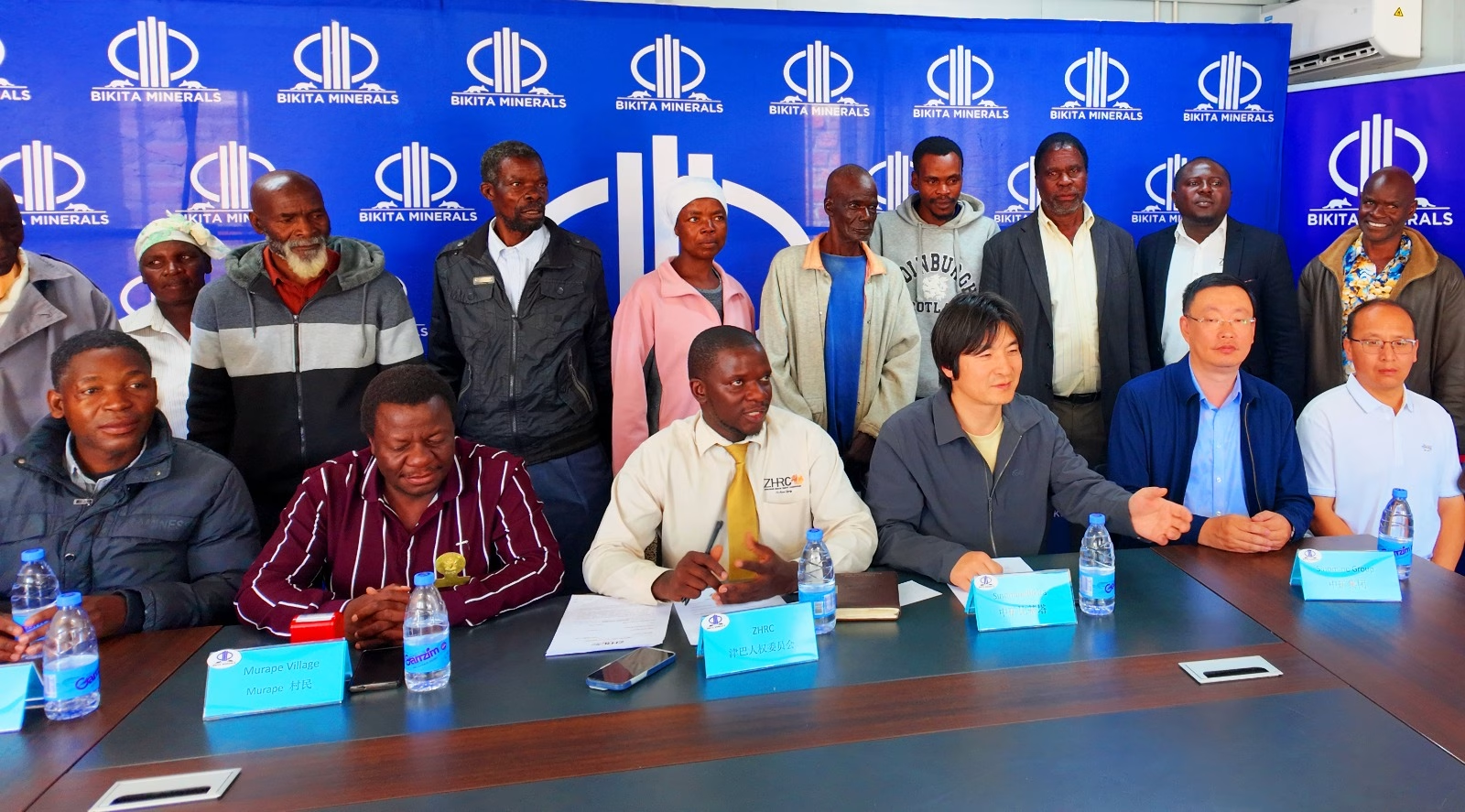
A landmark mediation agreement between Sinomine Group-owned Bikita Minerals and nine families from Murape Village in Masvingo Province has demonstrated the value of dialogue in resolving land-use disputes, while underscoring the growing role of Chinese investment in Zimbabwe’s mining sector and community development.
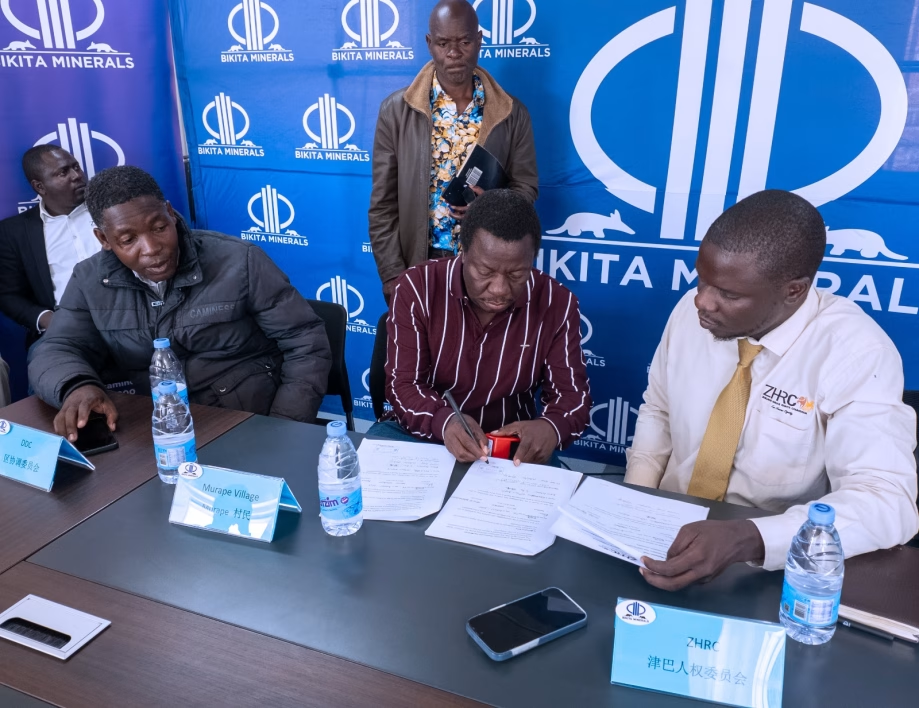
The agreement, facilitated by the Zimbabwe Human Rights Commission (ZHRC), brings to a close a matter concerning the expansion of Bikita Minerals’ lithium operations and the relocation of families who had been residing within the company’s mining lease area.
The dispute centred on families who settled in the area during the land reform era and had been farming there for years. With Bikita Minerals, one of the world’s largest lithium producers, expanding operations to meet rising global demand for battery minerals, both parties turned to mediation rather than litigation.
Under the terms of the agreement, Bikita Minerals will provide each of the nine families with US$1,500 in financial support and 20 tonnes of quarry stones as essential construction materials to help them establish new homes.
Chief Marozva provided traditional oversight during the mediation and will continue to monitor the relocation process to ensure it is carried out with dignity and respect for cultural practices.
The ZHRC hailed the resolution as an example of how structured mediation can protect both investment interests and community rights, creating a peaceful and constructive path forward.
Bikita Minerals’ resolution of the relocation process reflects a broader commitment by Chinese companies operating in Zimbabwe to engage communities through dialogue. As global demand for lithium surges, the Sinomine-owned operation has positioned itself as a key contributor to Zimbabwe’s mining-led economic growth, while also investing heavily in local livelihoods.
The company’s footprint in Bikita is well established, with a wide range of Corporate Social Responsibility (CSR) programs aimed at improving rural services and infrastructure.
In healthcare, Bikita Minerals constructed the US$1 million Shumbaimwe Clinic, which serves mine workers and marginalized communities across Bikita, Gutu, and Zaka districts. In partnership with the Chinese Medical Team, the mine also sponsors free specialist medical outreaches, covering major surgical and hospitalisation fees for disadvantaged residents.
In education, the company funds a school nutrition program reaching nearly 10,000 students across 16 primary schools. It has built classroom blocks, electrified schools, established modern science laboratories including at Bikita-Fashu High School, and provides “Happy Readers” learning materials. Underprivileged university students also receive US$5,000 academic scholarships.
In water and infrastructure, the mine’s “Water is Life” initiative has drilled and motorised numerous solar-powered boreholes across Bikita West, South, and East to ensure safe drinking water within a 1-kilometre radius. The company also rehabilitates local gravel roads, including the Nyika-Kamungoma National Monument road, and has heavily funded the Tokwe-Bikita powerline to expand grid access in neighbouring districts.
The company has collaborated with local leadership and organisations such as ActionAid Zimbabwe, leading to the signing of a binding Memorandum of Understanding (MoU) with the Bikita Rural District Council.
The MoU ensures that CSR allocations are driven by community-prioritised needs, amplifying the voices of youth, women, and traditional leaders in decision-making.
Company representatives said the mediation outcome with the Murape families reinforces Bikita Minerals’ belief in dialogue, respect for host communities, and long-term partnership as it expands operations in line with Zimbabwe’s mineral beneficiation goals.