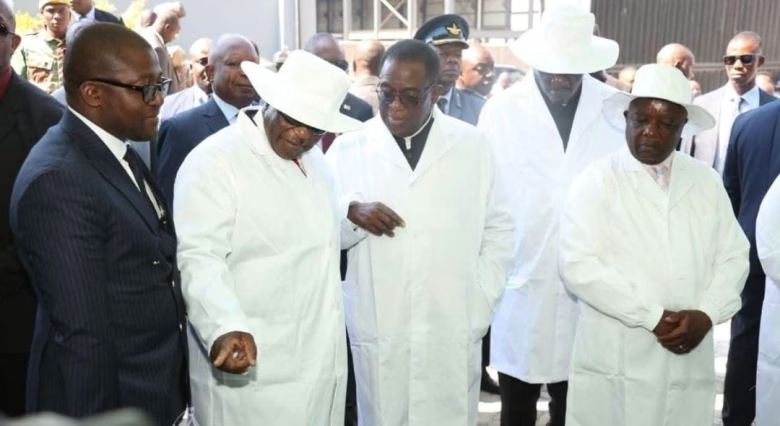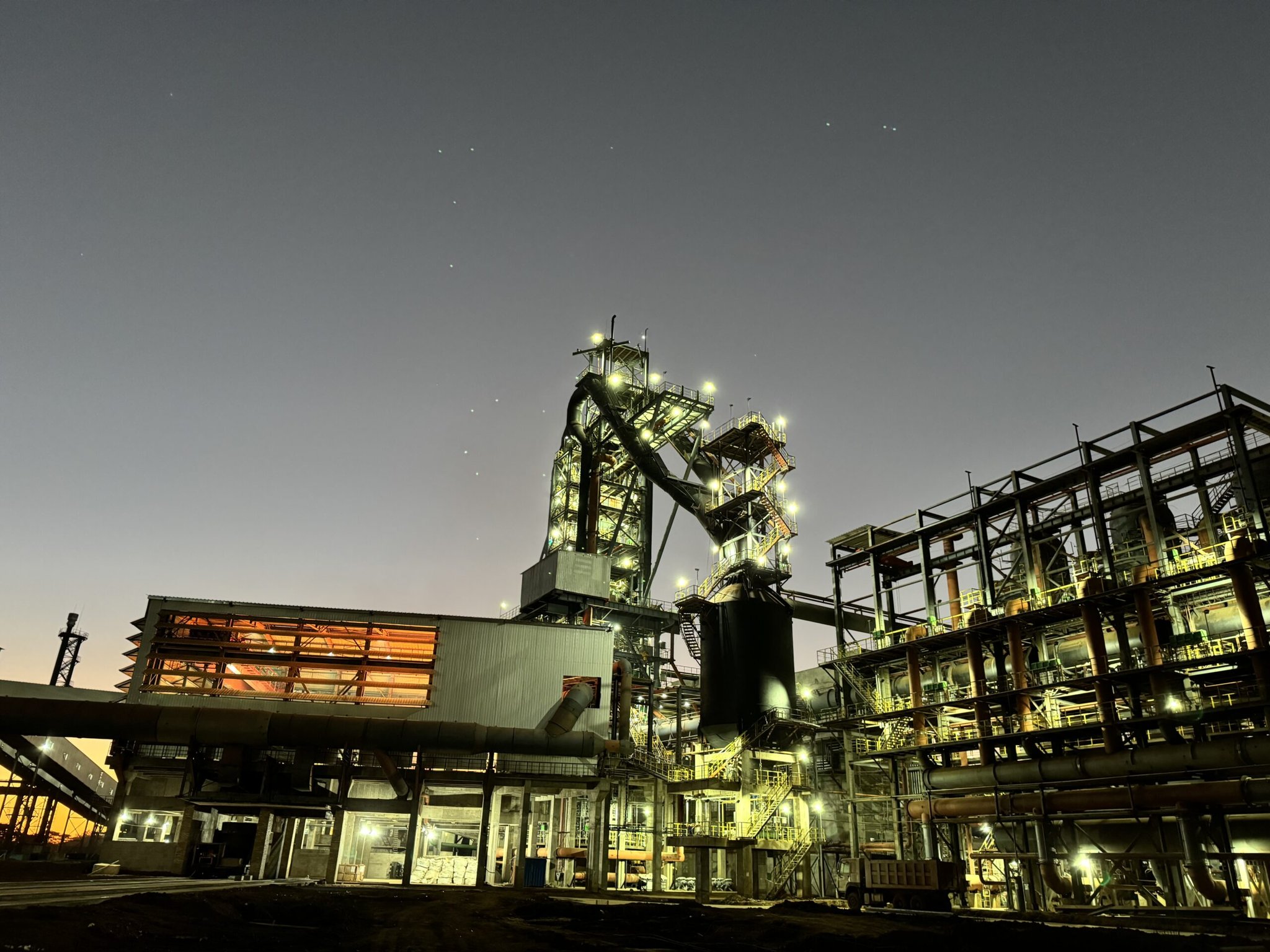
The Dinson Iron and Steel Company (DISCO) project at Manhize is increasingly becoming one of the most consequential industrial investments in Zimbabwe’s post-independence history, with implications that extend far beyond steel production into trade, manufacturing, energy security and national industrialisation.
While attention has largely focused on the project’s estimated US$1.5 billion investment value, its true significance lies in its potential to reshape Zimbabwe’s productive economy by rebuilding a strategic industry that has been largely dormant since the decline of the former ZISCO Steel operations.
At its core, the Manhize project represents a deliberate shift from a consumption-driven economy towards a production-based industrial model anchored on value addition and beneficiation. Unlike conventional steel rolling mills that depend on imported semi-finished materials, DISCO has been designed as a fully integrated steel complex, incorporating multiple stages of the value chain, from iron ore processing and coke production to steelmaking and the manufacture of finished products.
This integrated structure gives the project strategic importance because it creates linkages across numerous sectors of the economy while reducing dependence on imported industrial inputs.
Steel occupies a unique position within industrial development. Economists often describe it as the backbone of industrialisation because virtually every major productive sector depends on steel in one form or another. Construction, mining, transport infrastructure, energy projects, agricultural mechanisation, engineering and manufacturing all require reliable and affordable steel supplies.
Historically, nations that successfully industrialised invested heavily in steel production as a foundation for broader economic transformation. The experiences of countries such as China, India and South Korea demonstrate how steel production can stimulate the growth of downstream industries, create industrial ecosystems and strengthen national productive capacity.
In Zimbabwe’s case, the collapse of domestic steel production created a structural gap that left the economy heavily reliant on imports. For nearly two decades, substantial amounts of foreign currency were spent importing steel and steel products required by industry, infrastructure projects and construction activities.
The emergence of Manhize therefore represents more than the revival of steel production. It signifies the restoration of an important pillar of economic sovereignty.
Reports that the plant is already contributing towards reducing steel imports highlight its growing role in import substitution. Every tonne of steel produced locally helps retain foreign currency within the economy while simultaneously creating employment, supporting local suppliers and strengthening domestic industrial value chains.
Equally significant is the project’s energy infrastructure. The plant’s reported 70-megawatt captive power generation capacity reflects the scale and ambition of the investment. Steel production is among the most energy-intensive industrial processes in the world, making reliable electricity supply a prerequisite for competitiveness.
By investing in dedicated power generation, DISCO has effectively reduced operational vulnerability to power supply disruptions while creating conditions for stable long-term production.
From an industrial policy perspective, the captive power facility demonstrates an important principle increasingly observed in modern industrial development. Large manufacturing investments are no longer viewed as standalone factories but as integrated industrial ecosystems combining production, logistics, energy and support services.
The energy infrastructure at Manhize may therefore become a catalyst for future industrial expansion in surrounding areas, attracting complementary businesses and supporting the emergence of an industrial cluster.
Beyond import substitution, the project’s long-term significance lies in its potential to stimulate downstream industrialisation. Access to locally produced steel can encourage growth in engineering, fabrication, automotive components, agricultural equipment manufacturing and construction materials industries.
Such linkages have the capacity to generate multiplier effects throughout the economy, creating employment opportunities and increasing domestic value addition.
The project also aligns with Zimbabwe’s broader industrialisation agenda under Vision 2030, which prioritises beneficiation, value addition and the development of local manufacturing capacity. Rather than exporting raw mineral resources and importing finished products, the Manhize model demonstrates the economic advantages of processing resources domestically and capturing greater value within national borders.
Regionally, the plant could strengthen Zimbabwe’s position within Southern Africa’s industrial landscape. As production capacity expands, opportunities may emerge for exports to regional markets, contributing to trade growth and positioning Zimbabwe as a supplier of industrial inputs across the SADC region.
The broader economic implications are therefore substantial. Increased steel production can support infrastructure development, reduce import dependency, improve trade balances, strengthen industrial competitiveness and create the foundation for new manufacturing industries.
Viewed through this lens, Manhize is not merely a steel plant. It is an industrial platform capable of influencing the trajectory of Zimbabwe’s economic transformation.
As production scales up and supporting industries emerge, the project has the potential to become the nucleus of a wider metallurgical and manufacturing ecosystem, helping to reposition Zimbabwe from a consumer of imported industrial products to a producer of value-added goods.
In that regard, the Manhize Steel Project stands as one of the clearest manifestations of Zimbabwe’s industrialisation ambitions, demonstrating how strategic investments in heavy industry can contribute to long-term economic resilience, productivity and sustainable growth.