


Seed Co’s 85th anniversary, marked at the Rattray Arnold Research Station (RARS), was more than a milestone; it was a reflection of Zimbabwe’s evolving agricultural sector and the interplay between scientific innovation and policy direction.
The event, held under the theme “Keep Growing,” highlighted the company’s contributions to food security, economic development, and climate resilience—key priorities under Zimbabwe’s Agriculture, Food Systems, and Rural Transformation Strategy (AFSRTS).

Rainbow Hotels — Experience Luxury Across Zimbabwe
Rainbow Hotels continues to redefine hospitality standards in Zimbabwe, offering world-class accommodation, fine dining, and modern conference facilities in Harare, Bulawayo, and Victoria Falls.
Whether for business or leisure, Rainbow Hotels delivers unmatched comfort, exceptional service, and a truly premium guest experience tailored to modern travellers.
Book Now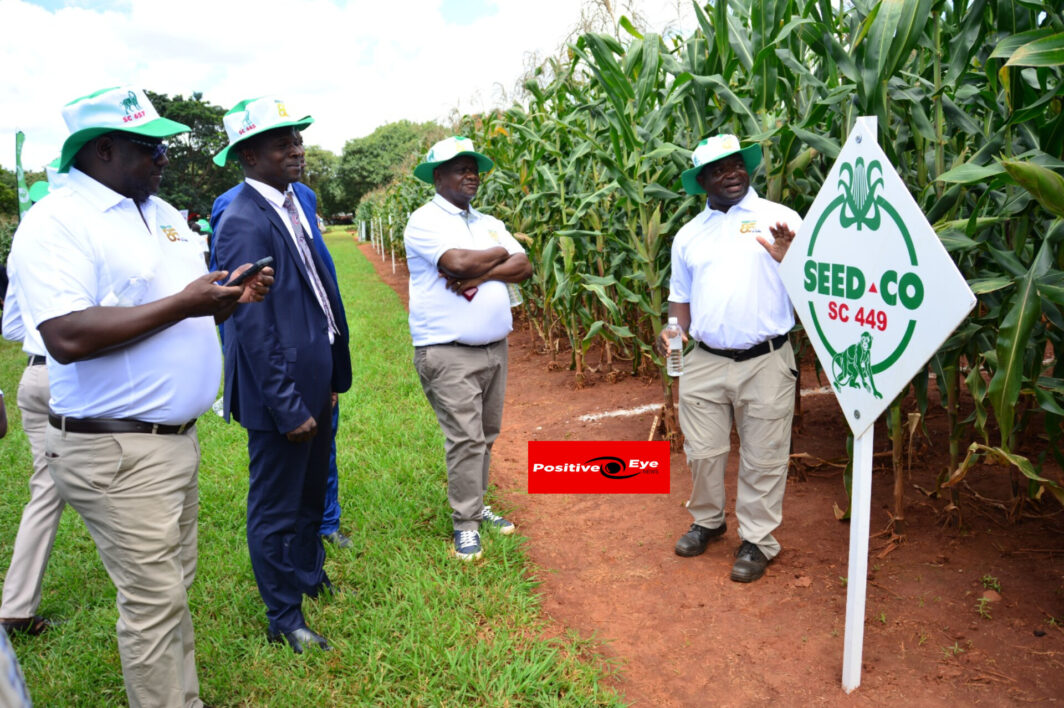
The presence of Minister of Lands, Agriculture, Fisheries, Water and Rural Development, Dr. A.J. Masuka, underscored the government’s recognition of Seed Co’s role in national agricultural development. His remarks emphasized the urgency of climate-proofing agriculture, an area where Seed Co has made notable strides.
“The transformation of agriculture is central to Vision 2030. Seed Co’s research into climate-smart, high-yielding crops aligns with government efforts to build a resilient, food-secure Zimbabwe,” he noted.

This alignment is critical as the country faces shortened rainfall seasons, erratic weather patterns, and increasing threats from pests such as Fall Armyworm. The government, in response, announced a new mandatory seed-dressing policy for maize and sorghum from the 2025/2026 season to mitigate pest-related losses.
Seed Co, which operates in 23 African countries, continues to refine its breeding programs to address changing agricultural conditions. Its research has yielded 124 maize hybrids, including varieties with shorter maturity cycles and improved drought tolerance. Additionally, 45 soybean, 25 wheat, and multiple sorghum, groundnut, and sunflower varieties have been introduced to support diverse farming systems.

Significantly, the company’s research is now focusing on water-use efficiency, nutrient optimization, and enhanced resistance to pests and diseases—a move that reduces dependency on expensive inputs such as fertilizers while maintaining high yields.
Despite its success, Seed Co faces challenges, particularly in the financial sustainability of seed exports due to regional payment constraints. Dr. Masuka acknowledged these hurdles, assuring that discussions are ongoing to establish long-term solutions that ensure stability in the seed trade.
At 85, Seed Co is not just celebrating longevity; it is reaffirming its role as a key player in Zimbabwe’s agricultural transformation. With continued government support, private-sector collaboration, and farmer adoption of improved varieties, the next phase of growth promises to drive rural industrialization and national food sovereignty.
Seed Co’s message remains clear: agriculture must evolve, and Zimbabwe must “Keep Growing.”
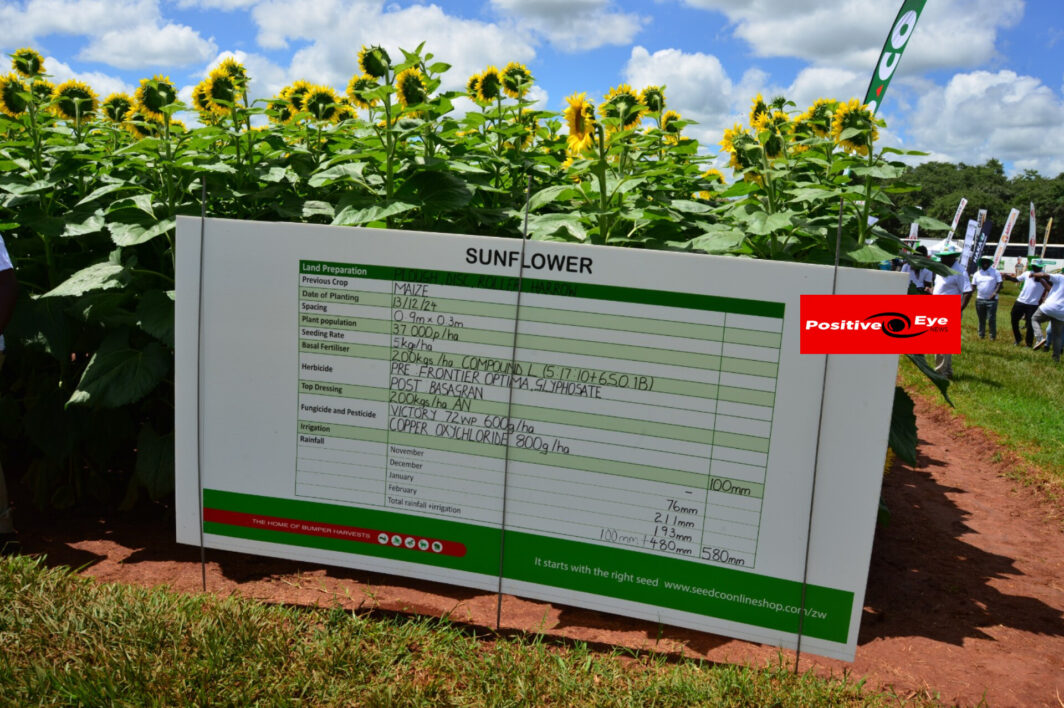
Photo Credit George Nyamukubva