The recent launch of a bicycle empowerment initiative for war veterans by President Emmerson Mnangagwa in Masvingo Province is a significant move that highlights the government’s ongoing efforts to improve the lives of Zimbabwe’s liberation heroes. This initiative is not just a gesture of goodwill but also part of a broader strategy to enhance the livelihoods and opportunities of war veterans who have long faced challenges related to mobility, economic participation, and social integration.
The provision of 500 bicycles to each of Zimbabwe’s provinces—totaling 5,000 bicycles—aims to address one of the key issues faced by many war veterans, particularly those in rural areas: limited mobility. For many veterans, traveling long distances to access markets, healthcare, or attend meetings has been an ongoing struggle. By empowering war veterans with bicycles, the government is not only providing a practical means of transport but also enabling these individuals to engage more fully with their communities and the broader economy. This simple but effective solution significantly enhances their ability to contribute to local economies, engage in trade, and access vital services.
This initiative also underscores the broader vision of President Mnangagwa’s administration, which has made rural development and the empowerment of disadvantaged groups a central focus. War veterans, who played a critical role in Zimbabwe’s independence struggle, have long been marginalized in terms of social and economic support. The bicycle program is an important step in addressing this historical oversight, ensuring that war veterans are not left behind in the country’s development trajectory.
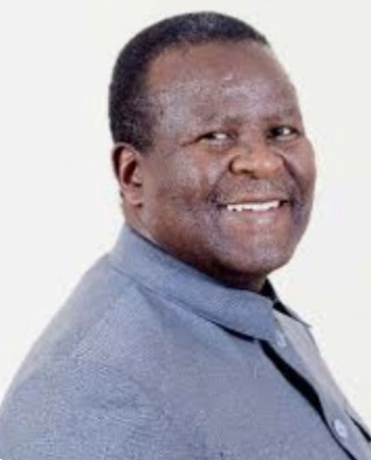
Dr. Paul Tungwarara, Special Presidential Advisor, has been instrumental in guiding the implementation of this initiative, demonstrating the importance of strategic advisory roles in ensuring that such programs are well-aligned with national development goals. His contribution is vital in ensuring that the objectives of the program are met and that the bicycles are distributed effectively, reaching those who need them most. Dr. Tungwarara’s role further emphasizes the value of expert advice in developing and executing policies that have a direct impact on citizens’ lives.
The bicycle scheme is also linked to a broader agenda of supporting war veterans through sustainable economic empowerment programs. The government recently launched the Presidential War Veterans Fund, a significant financial support mechanism that provides interest-free loans for income-generating projects. The War Veterans Fund is designed to empower veterans by giving them the means to start or expand businesses, further ensuring their integration into the national economy. Together, these initiatives signal the government’s commitment to addressing the long-term needs of war veterans, improving their quality of life, and ensuring that they have the resources they need to thrive in today’s society.
Additionally, the bicycle initiative serves to improve communication and social cohesion within war veterans’ communities. With enhanced mobility, veterans can more easily connect with one another and with their local authorities, promoting stronger community networks and a sense of belonging. The increased connectivity will also improve their ability to participate in local decision-making processes, ensuring that their voices are heard in the development of their communities.
In conclusion, President Mnangagwa’s bicycle empowerment scheme for war veterans represents a strategic, multifaceted approach to improving the lives of those who have contributed to the country’s independence. By providing both practical and financial support, the government is fostering a sense of empowerment and ensuring that war veterans are better equipped to meet their personal, economic, and social needs. The involvement of Dr. Paul Tungwarara ensures that the initiative is executed efficiently and aligns with the broader vision of a more inclusive, equitable Zimbabwe. This initiative not only recognizes the sacrifices of war veterans but also paves the way for their continued contribution to Zimbabwe’s development.