

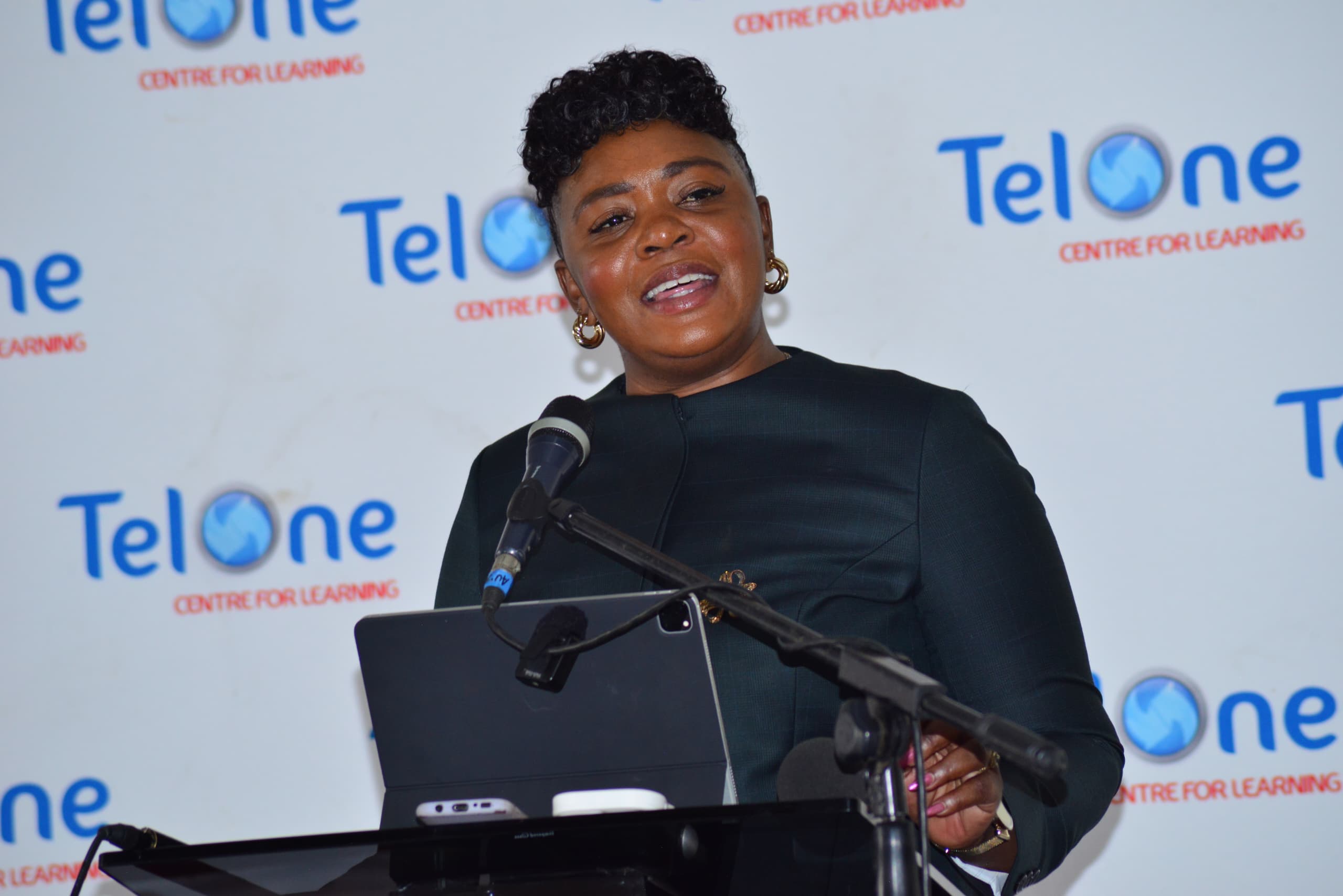
The TelOne Centre for Learning marked a momentous graduation ceremony, underscoring Zimbabwe’s commitment to advancing its digital economy through education and policy reform.

Rainbow Hotels — Experience Luxury Across Zimbabwe
Rainbow Hotels continues to redefine hospitality standards in Zimbabwe, offering world-class accommodation, fine dining, and modern conference facilities in Harare, Bulawayo, and Victoria Falls.
Whether for business or leisure, Rainbow Hotels delivers unmatched comfort, exceptional service, and a truly premium guest experience tailored to modern travellers.
Book NowSpeaking at the event, the Minister of ICT, Postal and Courier Services highlighted key initiatives aimed at aligning education with the country’s development goals.
The ceremony came against the backdrop of significant policy milestones, including the Reviewed National ICT Policy, the Smart Zimbabwe 2030 Master Plan, and the National Broadband Plan. Launched in March 2024 by President Emmerson Mnangagwa, these initiatives aim to provide all communities with access to affordable, fast, and secure digital technologies, in line with the National Development Strategy.
Education 5.0, a transformative model championed by the government, was also a focal point. The framework integrates innovation, entrepreneurship, and technology into the curriculum to prepare students not only for employment but also for leadership in the digital economy. The Minister emphasized that this approach positions Zimbabwe to compete globally by fostering a skilled and innovative workforce.
TelOne Centre for Learning exemplifies this vision, having produced graduates who excel locally and internationally. A recent highlight includes the global recognition of Chakwizira Diza, a student who secured first place at the Huawei Leap Summit and third place at the Huawei Seeds for the Future program. The Minister lauded the institution for its consistent contribution to developing highly skilled telecom professionals over the past seven decades.
The graduates were urged to embrace innovation and collaboration while addressing national challenges through ICT. The Minister emphasized that education is a catalyst for change, capable of transforming not only individual lives but also the nation’s economic trajectory.
The TelOne Centre for Learning’s commitment to competence-based education, coupled with Zimbabwe’s broader ICT strategy, reflects the country’s dedication to leveraging technology for sustainable growth.
As Zimbabwe progresses toward Vision 2030, initiatives like these promise to shape a digitally inclusive and economically resilient future.